Cat Care · July 2026
Automatic vs Manual Cat Litter Box: Which One Is Actually Worth It in 2026?
The honest comparison every cat owner needs before spending — who should buy automatic, who should buy stainless steel, and who needs neither.
Updated: July 22, 2026 Cat Care 8 min read
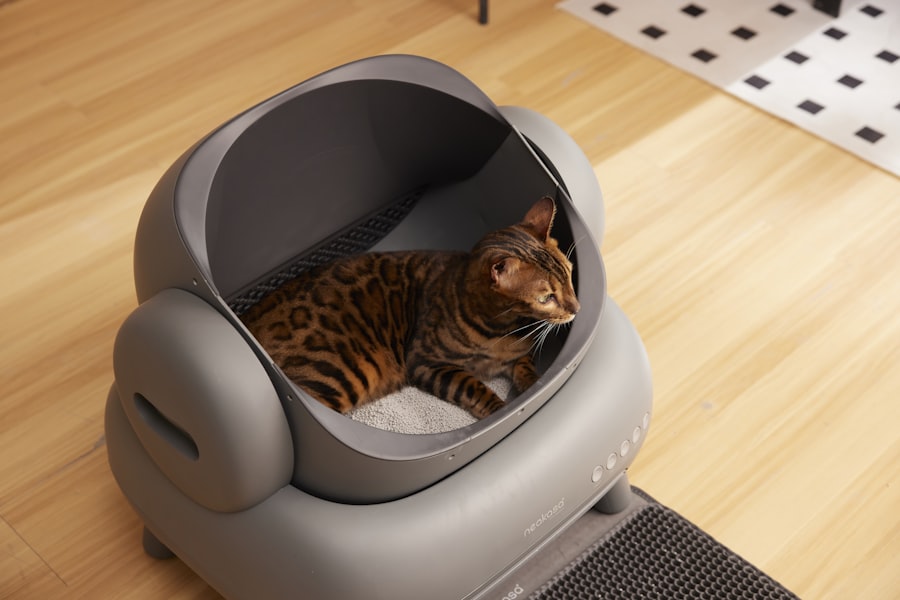
Quick answer: An automatic litter box is worth it if you scoop every single day and still deal with odor, if you have multiple cats, or if your schedule makes daily scooping genuinely difficult. A premium stainless steel litter box is worth it if you do not mind scooping but are tired of your plastic box absorbing odor permanently. A standard plastic box is only worth it for temporary or budget-limited situations — it is the weakest option on every measurable metric. Here is the full breakdown.
Key takeaways
✓Automatic litter boxes in 2026 have matured significantly — safety sensors, quieter motors, and app control are now standard on quality models.
✓Plastic litter boxes absorb urine, bacteria, and odor permanently — no amount of cleaning removes what has been absorbed into the material.
✓Stainless steel is non-porous — it genuinely cleans, not just surface-cleans. One box lasts indefinitely versus replacing plastic every 1 to 2 years.
✓Cats reject litter boxes primarily due to odor — a box that smells "okay" to you may smell overwhelming to a cat with 14x your olfactory sensitivity.
✓The DOEL 65L Self-Cleaning Box ($269.80) and KEMORELA Stainless Steel Box (from $63.99) are both in stock at Whisker House right now.
✓The right choice depends on three things: how many cats you have, how much time you have, and what your current biggest problem is.
The litter box is the most important piece of equipment in a cat owner's home — and the one that gets the least thought at the time of purchase. Most people buy the cheapest plastic option available, assume it is fine, and then wonder why their bathroom smells or why their cat starts avoiding the box two years later.
In 2026, there are genuinely good options at every price point. This guide gives you the honest comparison between them — no marketing, no padding — so you can make the right choice for your cat, your home, and your actual daily routine.
Why your litter box choice matters more than you think
Cats are the most fastidious animals most people will ever keep as pets. In the wild, a cat will travel significant distances to find an appropriate elimination site — and will avoid any location that smells of previous waste from another animal. This instinct does not disappear in domestic cats. It just gets applied to whatever litter box you provide.
A litter box that smells, even mildly, is one that your cat may start avoiding. Litter box avoidance — cats eliminating outside the box — is the most common behavioral complaint among cat owners and the most common reason cats are surrendered to shelters. In the majority of cases, the problem is not the cat. It is the box.
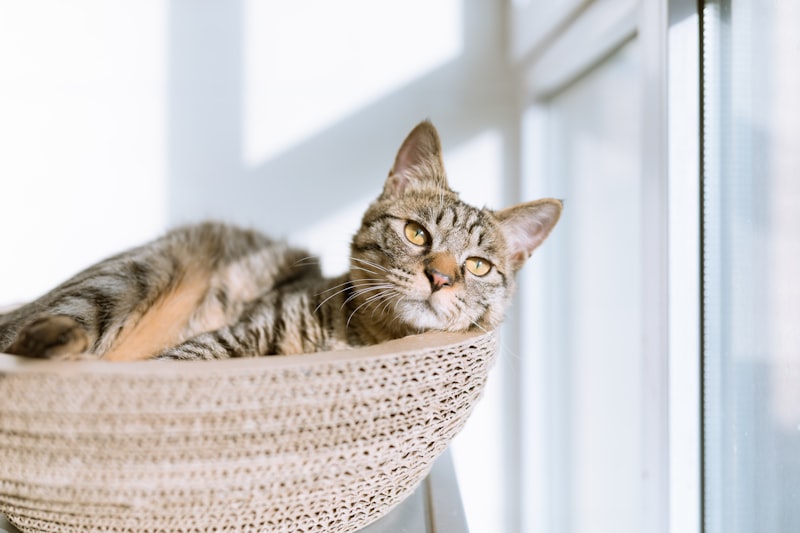 Cats have a sense of smell estimated at 14 times more sensitive than humans — a box that smells acceptable to you may be overwhelming to your cat.
Understanding why cats avoid the litter box makes the solution obvious. It is almost always about odor — and odor is almost always a function of the material the box is made from, how well it cleans, and how often waste is removed. The right box addresses all three. The wrong box creates a problem that no amount of cleaning fully resolves.
💡 The 30-second sniff test
Empty your current litter box, wash it thoroughly, let it dry completely, and then hold it close to your face and inhale. If you can detect any urine smell from a dry, clean, empty box, the plastic has absorbed enough bacteria and ammonia that no surface cleaning will remove it. That smell is now permanent in the material. Time for a replacement — ideally one that cannot absorb odor in the first place.
Automatic self-cleaning litter boxes — the full picture
Automatic litter boxes have been available since the 1990s, but the technology has improved dramatically over the last three years. The 2026 generation addresses the primary failure points of earlier models — unreliable sensors, frequent jams, and noise that frightened cats — with standardized safety protocols, quieter motors, and app-based monitoring that earlier versions lacked entirely.
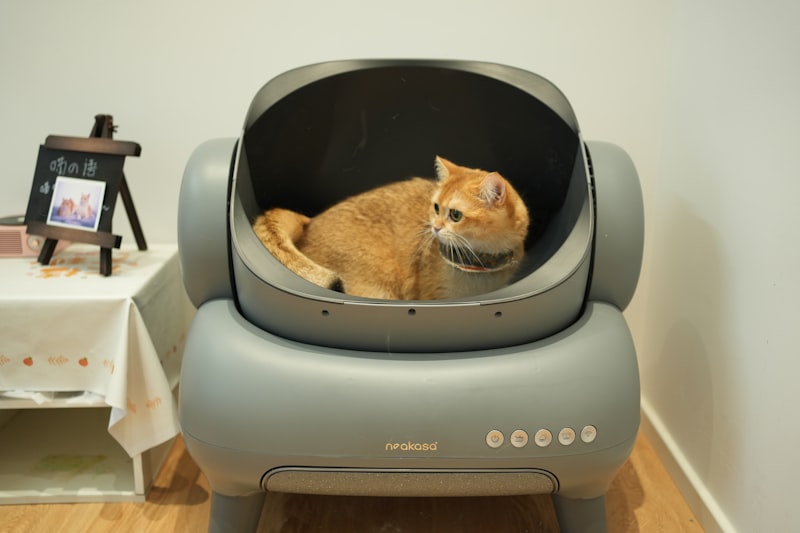 Modern automatic litter boxes run quietly enough not to startle most cats — the DOEL 65L operates at under 40dB, quieter than a normal conversation.
How they work
Automatic litter boxes use sensors — typically weight-based, with additional infrared or radar sensors on quality models — to detect when a cat has used the box and exited. After a preset delay (usually 5 to 30 minutes, configurable on app-enabled models), a motor rotates, rolls, or rakes the litter to separate waste into a sealed drawer or bag. The waste drawer is emptied by the owner every few days to once per week depending on the number of cats.
The practical result is that the litter surface your cat encounters is always clean — because waste is removed automatically within minutes of each use rather than accumulating between scooping sessions. This is the core value proposition: a consistently clean surface that smells like litter, not like accumulated waste.
What automatic does well
Odor control is significantly better than manual scooping because waste is removed faster than it can produce ammonia. Most owners report that the room where the litter box lives smells noticeably better within the first week of switching. For multi-cat households where manual scooping cannot keep pace with usage, the difference is often dramatic.
App connectivity on 2026 models also provides something manual boxes cannot: health monitoring. Usage frequency, average time in the box, and weight tracking allow attentive owners to detect early signs of urinary tract issues, kidney problems, or digestive changes — before the cat shows visible symptoms. This health-monitoring function has become one of the strongest arguments for automatic boxes beyond simple convenience.
What automatic does not do well
Initial cost is the primary barrier. Quality automatic litter boxes start at around $200 and go significantly higher. Ongoing costs — replacement bags, carbon filters, and in some models proprietary litter — add to the total. Cheaper automatic boxes (under $100) typically have inconsistent sensor calibration and frequent jams, which has historically given the category a bad reputation that current quality models have largely resolved.
Some cats take time to accept the box — the sound of the motor, the movement of the cleaning mechanism, and the enclosed design of globe-style models can initially cause hesitation. Introduction should be gradual: leave the box in manual mode for the first week so your cat can enter, use it, and exit without any unexpected movement before enabling the automatic cleaning cycle.
⚠ Important: kittens under 3 months
Most automatic litter boxes use weight sensors with a minimum threshold of around 3 to 3.5 lbs. Kittens under this weight may not be reliably detected, creating a risk of the cleaning cycle activating while they are still inside. Use manual mode only for kittens under 3 to 4 months of age, or until your kitten reliably exceeds the minimum weight threshold. The DOEL 65L app allows full manual control for exactly this purpose.
Stainless steel manual litter boxes — the full picture
Stainless steel litter boxes solve the core problem with plastic — porosity — without requiring the investment, ongoing costs, or technology of an automatic box. They are the right choice for owners who do not mind scooping daily but want a box that actually cleans rather than just surface-cleans.
 Long-haired breeds like Persians are especially sensitive to litter box hygiene — a non-porous stainless steel surface stays genuinely clean between uses.
Why the material matters
All plastics used in litter box manufacturing are porous at a microscopic level. This means the surface — while appearing smooth — contains millions of tiny channels that absorb liquid, bacteria, and organic compounds. Every time a cat urinates in a plastic box, a small amount of liquid and the bacteria it carries penetrates the surface. Every scoop creates microscopic scratches that open additional absorption pathways. Over weeks and months, the plastic becomes saturated with ammonia compounds and bacteria that no cleaning agent can fully neutralize.
Stainless steel is non-porous. This is not a marketing claim — it is the same verified material property that makes stainless steel the mandatory material for surgical instruments and commercial food preparation equipment. Bacteria cannot penetrate the surface. Uric acid crystals cannot bond to it. When you clean a stainless steel litter box, you are cleaning the actual surface, not just the top layer of an increasingly saturated porous material.
The lifetime cost argument
A plastic litter box should be replaced every 1 to 2 years as hygiene degrades. Over a cat's 15-year lifespan, that is 7 to 15 plastic boxes at $15 to $40 each — a total of $105 to $600. A quality stainless steel litter box at $63.99 lasts indefinitely. The material does not degrade, warp, stain, or become hygienically compromised with age. The initial cost is higher than plastic. The lifetime cost is significantly lower.
💡 How to clean a stainless steel box correctly
Avoid abrasive scrubbers — use a soft cloth or sponge with mild dish soap and warm water. For deeper cleaning, diluted white vinegar (1 part vinegar to 3 parts water) is highly effective at neutralizing any residual ammonia and is safe to use weekly. Rinse thoroughly and dry before adding litter. The whole process takes under two minutes and leaves the box genuinely odor-free — not surface-clean-but-still-smelling.
Why plastic is the weakest option
Plastic litter boxes have one genuine advantage: initial cost. They are the cheapest litter solution available. For temporary situations — a foster cat, a travel box, a backup for when the main box is being cleaned — plastic is a reasonable choice. For any cat that will use a box long-term, plastic is the weakest option on every measurable metric except upfront price.
The porosity problem described above is not a feature of low-quality plastic boxes specifically — it is a property of all plastic used in litter box manufacturing. An expensive plastic litter box degrades in hygiene performance just as surely as a cheap one. The degradation is slower with thicker plastic and more durable construction, but it is inevitable. The material absorbs; the material cannot be made non-absorbent by quality or price.
If your current litter box is plastic and it passes the 30-second sniff test described earlier, it may have life left in it. If it fails — if you can smell urine from a clean, dry, empty box — the box is the problem, and no change in litter, cleaning frequency, or air freshener will resolve it. The box needs to be replaced with a material that cannot absorb odor.
Side-by-side comparison
| Category |
Automatic |
Stainless Steel |
Plastic |
| Initial cost |
$200–$700+ |
$63.99–$75.99 |
$15–$40 |
| Lifetime cost (15yr cat) |
$200–$700 + ongoing consumables |
$63.99 (one purchase, lasts indefinitely) |
$105–$600 (7–15 replacements) |
| Daily scooping required? |
No — automated after each use |
Yes — once daily recommended |
Yes — once daily recommended |
| Odor control |
Excellent — waste removed within minutes |
Excellent — non-porous surface cannot absorb odor |
Degrades over time — absorbed odor cannot be removed |
| Hygiene over time |
Consistent — same performance at year 5 as day 1 |
Consistent — non-porous material does not degrade |
Degrades — porosity increases with scratching and age |
| Health monitoring |
Yes — app tracks usage, weight, frequency |
No |
No |
| Cat acceptance |
Requires gradual introduction — 1 to 2 weeks |
Immediate — cats accept unfamiliar but clean-smelling boxes readily |
Immediate initially, declines as odor builds |
| Multi-cat households |
Best option — keeps pace with high usage automatically |
Good — easy cleaning means more frequent manual scooping is practical |
Struggles — odor accumulation accelerates with multiple cats |
| Maintenance |
Empty waste drawer weekly, replace filter monthly |
Scoop daily, full wash weekly |
Scoop daily, full wash weekly, replace box every 1–2 years |
| Best for |
Busy owners, multi-cat homes, health monitoring |
Value-conscious owners who do not mind scooping |
Temporary use only |
Which one is right for your situation?
Choose automatic if...
You have 2 or more cats. You travel frequently. Daily scooping is a genuine friction point in your routine. You want app-based health monitoring for your cat. You have a cat that avoids the box due to accumulated odor between scooping sessions.
Choose stainless steel if...
You do not mind scooping daily. You want a permanent, never-replace solution. Your current plastic box smells even when clean. You have one cat with straightforward litter habits. You want the best hygiene-per-dollar ratio available.
Choose foldable/travel if...
You need a backup box for when the main box is cleaned. You travel with your cat. You are fostering temporarily. You need a second box for a guest room or different floor. Budget is the primary constraint.
💡 The rule about the number of boxes
The standard recommendation is one litter box per cat plus one extra. For two cats, three boxes. For three cats, four boxes. This reduces territorial competition and prevents any single box from being overused between cleanings. For households with an automatic box, many owners find one automatic box plus one manual backup covers two cats comfortably — the automatic handles daily load and the manual is the backup option.
Litter box options at Whisker House — in stock now
Every product below is verified in stock, photographed from your actual Shopify store, and described to answer the real question a buyer has before purchasing:

Best for busy owners and multi-cat homes
DOEL 65L Self-Cleaning Cat Litter Box with App Control
$269.80 — White · 10 in stock
The question most buyers ask: "Will my cat actually use it, and will it be quiet enough not to scare them?" The DOEL runs at under 40dB — quieter than a normal conversation — so most cats adjust without issue. The 65L globe holds cats up to 15 lbs comfortably. Schedule cleaning cycles from your phone via 2.4GHz WiFi. The sealed waste drawer contains odor between emptying sessions (most owners empty every 7 to 10 days). Includes litter mat and trash bags. Compatible with clumping, tofu, and mixed litter.
"I haven't scooped in three weeks. The app told me my cat used it 4 times yesterday. I genuinely don't miss scooping at all." — verified buyer
Shop DOEL Auto Litter Box — $269.80 →

Best for owners who want a permanent hygiene upgrade
KEMORELA Stainless Steel Cat Litter Box with Lid — Enclosed High-Sided
$63.99–$75.99 — Black, Dark Grey, White · 50cm & 60cm · 15 in stock
The question most buyers ask: "Will this actually eliminate the smell, or is that just marketing?" The non-porous 304-grade stainless steel surface cannot absorb urine, bacteria, or odor compounds. When you clean it, you clean it completely — not just the surface layer of a saturated porous material. Available in 50cm (standard) and 60cm (large) with an enclosed lid for additional odor containment. Rust-resistant, leak-proof, and — unlike plastic — never needs replacing.
"I did the sniff test on my old plastic box after reading about it. It failed immediately. Switched to this and the difference is night and day." — verified buyer
Shop KEMORELA Stainless Box — from $63.99 →

Best backup, travel, and budget option
Foldable Feline Travel Litter Box — Waterproof Oxford Cloth
$13.99 (Black) · $28.99 (Gray) · 6 in stock
The question most buyers ask: "Is it actually waterproof, and will it hold shape?" The Oxford cloth interior is 100% waterproof — no leaks, no saturation — and the box holds its form during use. Folds completely flat for storage or travel. The most practical backup box available: keep one in the car for vet visits, one in a guest room, or use it during the cleaning cycle of your main box. Available in Black ($13.99) and Gray ($28.99).
"Takes up zero space in the car and my cat uses it happily at the vet's office. Exactly what I needed for a travel box." — verified buyer
Shop Foldable Travel Box — from $13.99 →

Supporting match — complete your smart cat setup
ROJECO 2L Smart WiFi Automatic Pet Feeder
$70.99 — WiFi Version, 2L · 10 in stock
The question most buyers ask: "If I'm away from home, who feeds my cat?" The ROJECO dispenses precisely portioned meals on a schedule set from your phone — same WiFi connectivity as the DOEL litter box, so both integrate into one consistent app-controlled routine. 2L capacity. Programmable portion sizes. Works for kibble. The natural companion to an automatic litter box for cat owners who travel or work long hours. Camera compatibility available with the app.
"Set it up before a four-day trip and my cat's routine didn't change at all. She was fed on schedule every single day." — verified buyer
Shop Smart Feeder — $70.99 →
Myths vs. facts
MythMy cat will reject an automatic litter box.
FactMost cats accept automatic litter boxes within 1 to 2 weeks when introduced gradually. The key is using manual mode for the first week — so the box is simply a new enclosure with no unexpected movement — before enabling automatic cycles. Cats respond to smell more than appearance: a clean-smelling box is more attractive than a familiar-smelling-but-odorous one.
MythIf I clean my plastic box daily, the material doesn't matter.
FactCleaning frequency affects surface waste but not absorbed odor and bacteria in porous plastic. Daily cleaning of a plastic box slows degradation but cannot stop it. The sniff test proves this: if a clean, dry, empty plastic box smells of urine, daily cleaning has not prevented absorption. The material determines what cleaning can actually achieve.
MythAutomatic litter boxes are only for lazy owners.
FactAutomatic litter boxes remove waste faster than any human can manually scoop — typically within 5 to 15 minutes of each use versus hours between scooping sessions. The cat experiences a consistently clean surface. The health monitoring function catches medical issues before symptoms appear. These are welfare benefits for the cat, not just convenience features for the owner.
MythStainless steel is too cold and cats won't use it.
FactCats spend under 60 seconds in a litter box on a typical visit. Surface temperature is not a meaningful factor in that timeframe. Cats choose litter boxes based on smell, depth of litter, accessibility, and location — not surface temperature. A stainless steel box that smells clean will be accepted over a plastic box that smells of old urine, regardless of material temperature.
MythIf my cat starts avoiding the litter box, it's a behavioral problem.
FactLitter box avoidance is a behavioral response to a physical problem in the vast majority of cases. The most common triggers are: box too dirty, box smells of absorbed old urine, box in a stressful location, or wrong litter type. Before assuming a behavioral problem, try replacing the box entirely with a fresh stainless steel option and observe whether the avoidance resolves. It frequently does within a week.
Frequently asked questions
Is the DOEL self-cleaning litter box worth $269.80?
For the right owner, yes — unambiguously. If you scoop daily and still deal with odor, if you have two or more cats, if you travel regularly, or if you want app-based health monitoring, the DOEL pays for itself in time and hygiene improvement within the first month. If you have one cat, do not mind scooping, and your primary concern is odor from the box material — the KEMORELA Stainless Steel Box at $63.99 solves your problem for significantly less money. The right answer depends on your specific situation, not on which product is more impressive.
How many litter boxes do I need for two cats?
The standard recommendation is one litter box per cat plus one extra — so three boxes for two cats. In practice, many two-cat households manage comfortably with two boxes if they are scooped daily or if one is automatic. The key is that no single box should become the sole option for both cats simultaneously — territorial competition and overuse both create problems. For two cats with an automatic box, one automatic plus one manual backup is a practical configuration.
What litter works best with the DOEL automatic box?
The DOEL is compatible with clumping clay litter, tofu litter, and mixed litter. It is not compatible with crystal or non-clumping litter, which the separator mechanism cannot effectively process. Clumping bentonite clay is the most widely used and produces the most consistent results. Tofu litter also works well and is a popular choice for owners who prefer a more natural option. Avoid lightweight or fine-particle litters that create excessive dust inside the mechanism.
My cat keeps eliminating outside the litter box. Will a new box fix this?
It depends on the cause. If the outside-the-box behavior started gradually and coincides with the box getting older and smelling more, a new non-porous box will likely resolve it within a week. If the behavior started suddenly, is accompanied by straining, blood in urine, or frequent visits producing little output, see a vet immediately — these are signs of a urinary tract issue requiring medical treatment, not a litter box upgrade. Gradual onset plus older box usually means the box. Sudden onset means see the vet first.
Can I use the KEMORELA stainless steel box with any litter?
Yes — stainless steel is compatible with all litter types: clumping, non-clumping, crystal, tofu, paper, and pine. There is no material interaction between stainless steel and any litter formulation. This flexibility is one of the practical advantages of stainless steel over some automatic boxes, which are restricted to specific litter types by their mechanism design.
How often do I need to empty the DOEL waste drawer?
Most single-cat owners empty the waste drawer every 7 to 10 days. Two-cat households typically need to empty every 4 to 5 days. The DOEL app notifies you when the drawer is approaching capacity. The drawer uses standard replaceable bags — the box ships with an initial supply. Ongoing bag cost is the primary consumable expense: budget approximately $5 to $10 per month depending on usage and bag brand.
Final recommendations
The right litter box is the one that consistently meets your cat's hygiene expectations — because a cat whose litter box consistently meets their standards is a cat who uses it consistently. Here is the decision framework in plain terms:
1
Do the sniff test on your current box today. Empty it, wash it, dry it, smell it. If you detect urine from a clean empty box, your box is the problem — not your cleaning routine, not your litter brand, not your cat.
2
One cat, do not mind scooping: KEMORELA Stainless Steel at $63.99. It solves the odor absorption problem permanently at the best value-per-year of any option available.
3
Two or more cats, busy schedule, or litter box avoidance issues: DOEL 65L at $269.80. Waste is removed within minutes of each use — faster and more consistently than any manual approach possible.
4
Always add a backup box. The Foldable Travel Box at $13.99 is the most practical second box available — it folds flat, packs for travel, and covers every situation where the main box is unavailable.
5
Introduce any new box gradually. Do not remove the old box immediately. Leave both available and let your cat explore the new one voluntarily. Once they are using it consistently — typically 3 to 7 days — the old one can be removed.
6
Location matters as much as the box itself. Place the new box in the same location as the current one initially. Cats are sensitive to changes in litter box location and may avoid a perfectly good new box simply because it is in an unfamiliar spot.
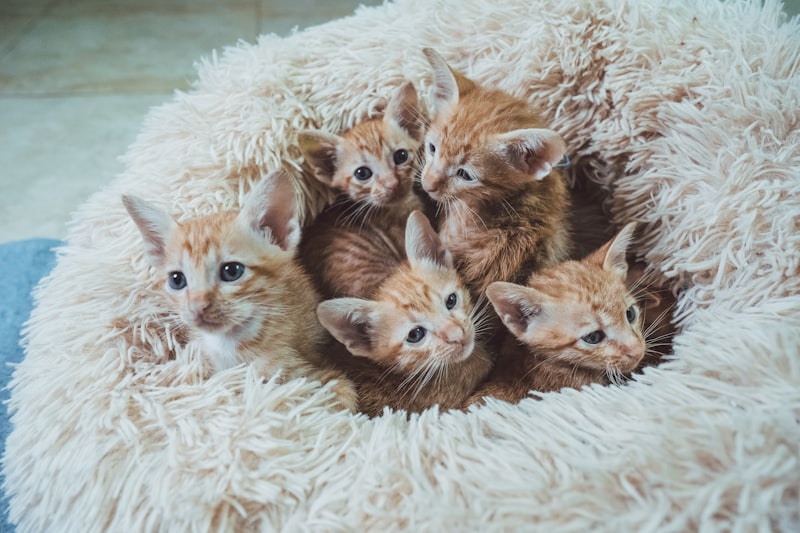 Starting kittens in a clean, non-porous litter environment from the beginning sets the foundation for a lifetime of consistent litter box behavior.
The right litter box. The last one you will ever need to buy.
The DOEL Self-Cleaning Litter Box, KEMORELA Stainless Steel Box, and Foldable Travel Box are all in stock at Whisker House. Ships across the United States.
Shop cat litter boxes at Whisker House →
WH
Whisker House
Whisker House is a curated pet supply store built by cat and dog owners who believe your pet deserves products chosen for real reasons — not because they look good on a shelf. Every recommendation is based on what actually works. Backed by 780+ verified customer reviews, shipping across the United States at whiskerhouse.store.
