Dog Behavior & Wellness · August 2026
Calming Chews for Anxious Dogs: Vet Visits, Fireworks & Separation Anxiety
What calming chews can realistically help with, what they can't, and how to tell the difference — before your dog's next stressful day.
Updated: August 5, 2026 Dog Behavior 7 min read
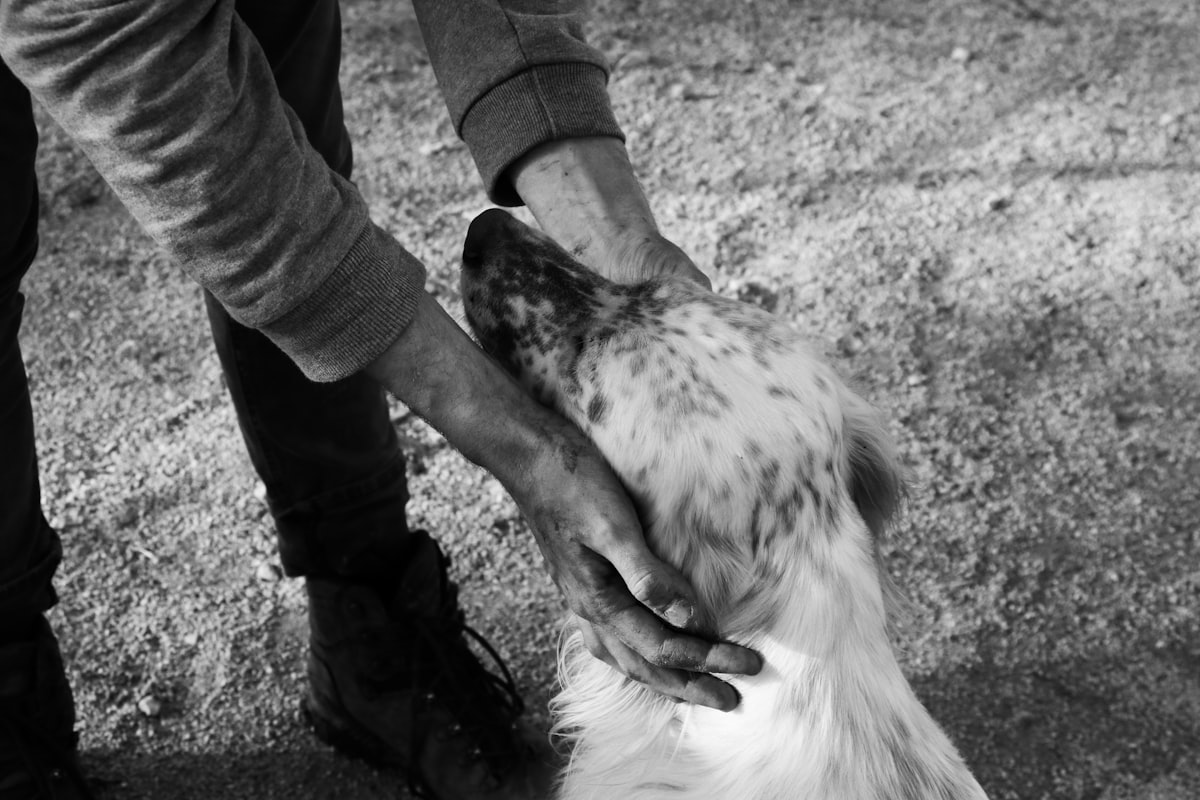
Quick answer: Calming chews are a reasonable first step for situational stress — fireworks, thunderstorms, vet visits, car rides, or an occasional night alone — because they're low-risk and non-sedating when used as directed. They are not a fix for chronic, severe, or worsening anxiety, which is a behavioral and sometimes medical issue that needs a veterinarian or veterinary behaviorist involved. The honest evidence on calming ingredients like valerian root and chamomile is limited — worth trying, not worth over-promising.
Key takeaways
✓The AKC groups most canine anxiety into three types: fear-related (loud noises, unfamiliar situations), separation-related, and age-related anxiety tied to cognitive decline in older dogs.
✓Common signs include panting, pacing, trembling, excessive drooling, destructive behavior, excessive barking, and house-soiling — per the American Kennel Club.
✓Per VCA Animal Hospitals, "few supplements and herbs have been subjected to rigorous scientific trials" for anxiety — treat calming chews as a reasonable try, not a guaranteed fix.
✓Give a calming chew before a known stressor, not during one — most ingredients need time to take effect, not minutes.
✓PetMD is direct about this: "calming products almost certainly will not help if an underlying medical disorder is present" — see a vet if anxiety is severe, sudden, or worsening.
If your dog turns into a different animal the moment a thunderstorm rolls in, the mail carrier walks by, or you pick up your car keys, you're not imagining it — anxiety in dogs is a real, well-documented behavioral response, not stubbornness or drama. Calming chews are one of the more approachable tools for dealing with it, but it's worth knowing upfront what they're good for and what they aren't, so you're not disappointed by a fireworks night or blindsided by a problem that actually needs a vet.
Signs Your Dog Is Anxious
The American Kennel Club lists the common physical and behavioral signs of anxiety in dogs: panting, pacing, trembling or shaking, and excessive drooling on the physical side; house-soiling, destructive behavior, excessive barking, aggression, depression, and repetitive or compulsive behaviors on the behavioral side. Not every anxious dog shows all of these — a dog that just paces and pants during a storm is having a very different experience than one that's destroying furniture or self-injuring, even though both are anxiety.
The AKC also breaks canine anxiety into a few general categories: fear-related anxiety (triggered by loud noises, unfamiliar people or situations, and specific objects), separation anxiety (distress when left alone or away from family), and age-related anxiety, often tied to cognitive dysfunction syndrome in older dogs. Knowing which one you're dealing with matters, because a chew that helps with an occasional fireworks night won't do much for a dog with true separation anxiety, which is a distinct behavioral condition often requiring training alongside any supplement.
What's Actually in a Calming Chew
Most calming chews on the market — including the one Whisker House carries — combine a handful of the same ingredients: hemp seed powder, chamomile, valerian root, L-tryptophan, L-theanine, and B vitamins. L-theanine is the most studied of the group; it's an amino acid naturally found in green tea leaves, and according to VCA Animal Hospitals it's used as "a nutritional supplement used to treat anxiety in dogs and cats." VCA is also direct about the limits of the evidence: "few supplements and herbs have been subjected to rigorous scientific trials to determine their efficacy," and effects can take time — L-theanine specifically "may take several days to take effect."
Valerian root has some evidence too, though it's modest: PetMD cites a study where "pet parents reported that the Pet Remedy diffuser, which contains valerian, reduced the intensity, but not the frequency, of anxiety-related behaviors" — a meaningful but limited effect, not a cure. Chamomile is widely used as a mild calming herb in human and veterinary contexts, though the evidence specific to dogs is thinner still. None of this means these ingredients don't help — many dog owners report real benefit — it just means the honest framing is "worth trying" rather than "clinically proven."
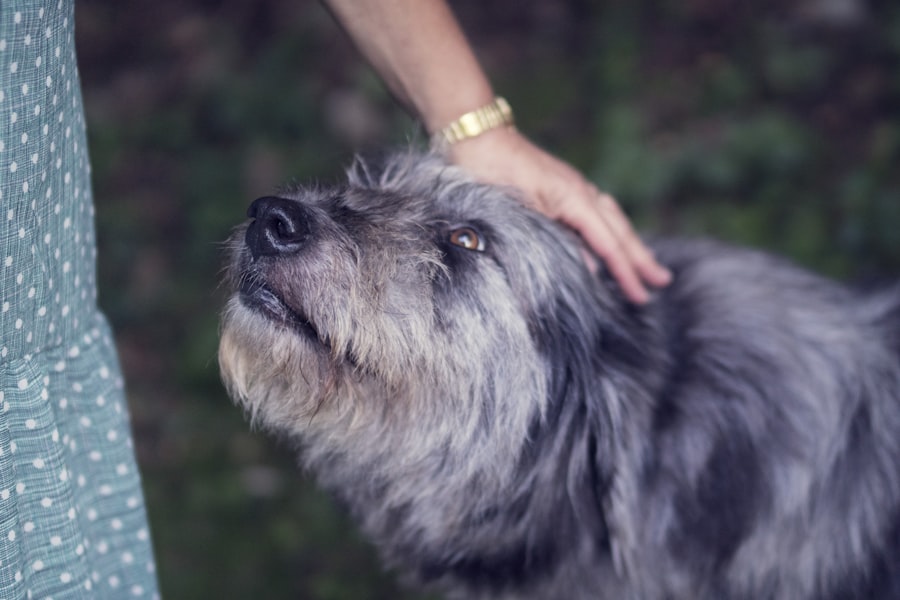 A calm, familiar routine does as much for an anxious dog as any chew.
When They Help — And When They're Not Enough
🎆
Good fit: known, occasional stressors
Fireworks nights, thunderstorms, a vet visit, a car ride, or an occasional night away from home — situational stress with a clear start and end point is exactly what a calming chew is designed for.
🐾
Good fit, but pair it with training: mild separation anxiety
A dog that whines for the first few minutes after you leave may benefit from a chew alongside basic departure training (short practice absences, a consistent routine). A chew alone rarely solves it.
🚩
Not enough on its own: severe or worsening anxiety
Panic-level destruction, self-injury, house-soiling that's new or escalating, or anxiety that seems to be getting worse over time is a sign to involve your veterinarian — per
PetMD, "calming products almost certainly will not help if an underlying medical disorder is present."
What We Carry

Calming
Moe's Healthy Pets Chillout Chews
$27.99 · in stock
Chicken-flavored soft chews with hemp seed powder, chamomile, valerian root, L-tryptophan, L-theanine, and vitamin B1 — formulated for situational stress like fireworks, storms, travel, and separation, without a sedating "knocked out" effect. Suitable for both small and large breeds.
Shop Chillout Chews — $27.99 →
A Few Safety Notes
⚠ Talk to your vet first if your dog is on other medication
Per
VCA Animal Hospitals, "the U.S. Food and Drug Administration (FDA) does not review non-drug health supplements for safety or effectiveness before they are sold to the public," and importantly, "just because a supplement is natural does not mean it is safe." If your dog takes any other medication or supplement, check with your vet before adding a calming chew — herbal ingredients can interact with other drugs. VCA also recommends contacting your vet "if your animal's condition does not improve within 60 days or worsens despite this treatment."
💡 Timing matters
Give a calming chew ahead of a known stressor — the morning of a fireworks holiday, an hour before a vet visit — rather than mid-panic. Most of these ingredients work gradually, not instantly, so reaching for one after your dog is already distressed is often too late to help that specific event.
Myths vs. Facts
Myth"Natural" calming ingredients are automatically safe to combine with anything.
FactNatural doesn't mean risk-free — herbal ingredients can interact with medications, which is exactly why checking with your vet first matters.
MythA calming chew will sedate my dog so they "sleep through" fireworks.
FactThese products are formulated to reduce stress without heavy sedation — a dog that needs to be fully sedated for a known event should see a vet about prescription options instead.
MythIf a calming chew doesn't work in one dose, it doesn't work at all.
FactIngredients like L-theanine can take several days of consistent use to show an effect — a single dose right before a stressful event is a weaker test than a few days of lead-in use.
Frequently Asked Questions
How long before an event should I give a calming chew?
For a known one-time event like fireworks, many owners start a day or two ahead and again the morning of. For ongoing situational stress, daily use is more common — check the product's own dosing guidance.
Can puppies have calming chews?
Check the specific product's age guidance before giving it to a puppy — formulations and dosing vary, and a vet check is a reasonable step for a young dog with new anxiety symptoms regardless.
My dog destroys things and hurts themselves when left alone — will a chew fix this?
Probably not on its own. That level of distress is a sign of true separation anxiety, which usually needs a structured behavioral plan and sometimes prescription medication from a veterinarian or veterinary behaviorist — a calming chew can be one part of that plan, not the whole plan.
Are calming chews the same as CBD products for dogs?
Not necessarily — "hemp seed powder" (used in the product above) is different from CBD/hemp extract products, which contain cannabinoids. Check the ingredient list of any specific product rather than assuming.
Is it safe to give a calming chew every day, long-term?
Follow the product's labeled dosing, and loop in your vet if you're using it daily for more than a couple of months — that's also the point VCA suggests checking in if you haven't seen improvement.
Final Recommendations
1
Match the tool to the problem — a calming chew for an occasional fireworks night, a vet or behaviorist for anything severe or worsening.
2
Give it ahead of time, not mid-panic — most calming ingredients work gradually.
3
Check with your vet first if your dog takes any other medication or supplement.
4
Set honest expectations — the evidence for herbal calming ingredients is real but modest, not a guaranteed fix.
5
Watch for the 60-day mark — if there's no improvement or things get worse, that's the signal to bring in your vet.
Help Your Dog Through Their Next Stressful Day
Chillout Chews are in stock now, along with the rest of our wellness supplements. New visitors get 7% off automatically at checkout.
Shop Whisker House Supplements →
WH
Whisker House
Whisker House is a curated pet supply store built by pet owners who read the ingredient panel before recommending anything. Every product is chosen because it solves a real problem for real pets — not because it looks good on a shelf. Backed by 780+ verified customer reviews, shipping across the United States at whiskerhouse.store.
