Dog Health · July 2026
80% of Dogs Have Dental Disease by Age 3 — Here Is How to Prevent It at Home
The signs most owners miss, the science behind why it progresses silently, and the simple 60-second daily routine that prevents it from $9.90.
Updated: July 23, 2026 Dog Health 8 min read
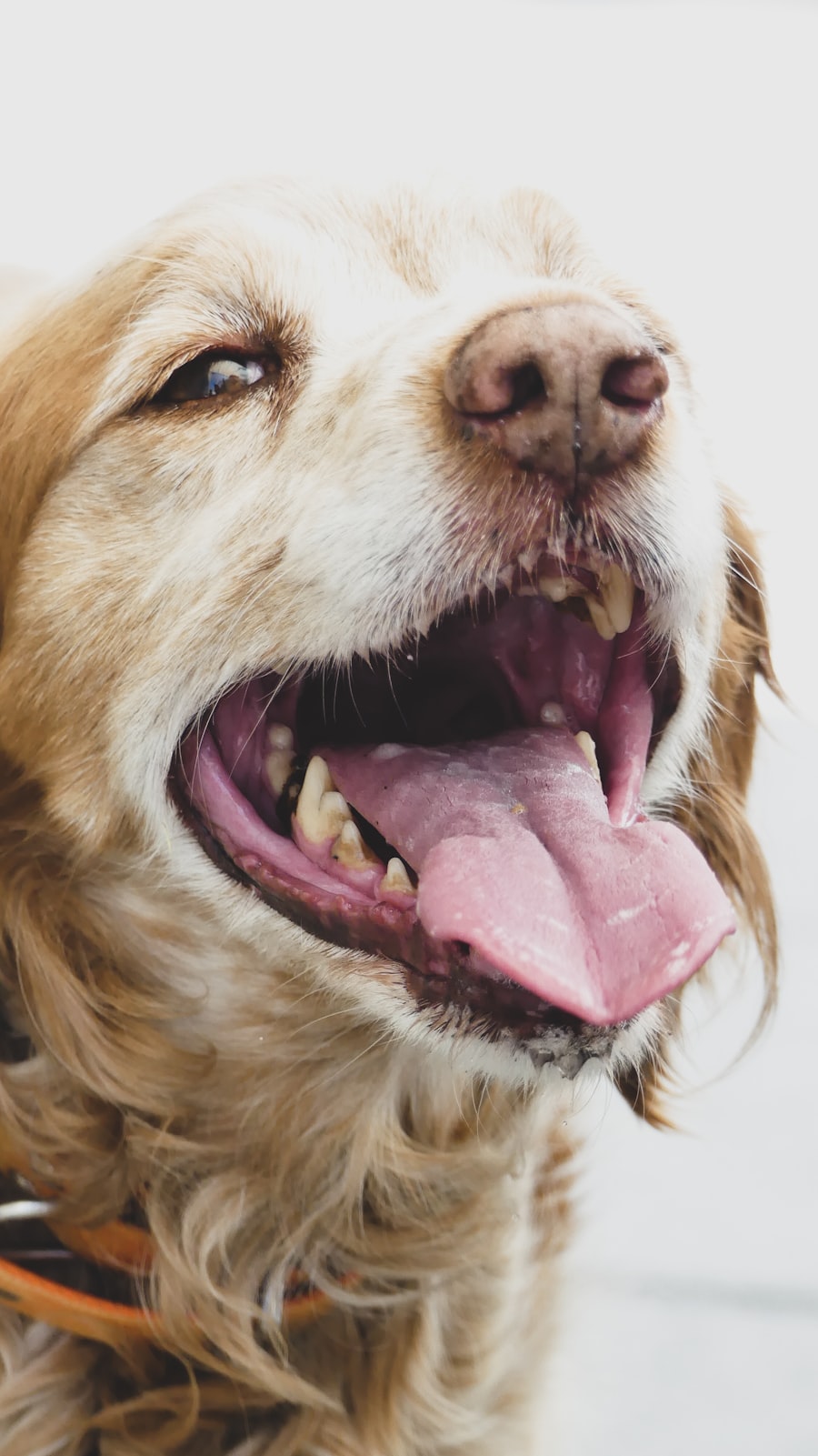
Quick answer: Periodontal disease in dogs begins with plaque — a soft bacterial film that forms on teeth within hours of every meal. Left undisturbed for 3 to 5 days, plaque mineralizes into tartar. Tartar cannot be removed at home. It requires professional scaling under anaesthetic. The bacteria in advanced tartar enter the bloodstream and have been directly linked to heart, kidney, and liver disease in dogs. The solution is simple: consistently disrupt plaque before it mineralizes. This takes 60 seconds per day and costs from $9.90 per month.
Key takeaways
✓80% of dogs show signs of periodontal disease by age 3 — the majority of owners never know until it is advanced.
✓Bad breath in dogs is not normal — it is almost always a sign of bacterial activity and the early stage of dental disease.
✓Plaque mineralizes into tartar in 3 to 5 days. Daily or every-other-day disruption prevents this from happening.
✓Dental disease in dogs has been directly linked to heart, kidney, and liver disease — it is not just an oral health issue.
✓Most dogs tolerate dental finger wipes far better than a toothbrush — they are the simplest, most consistent starting point.
✓Natural dental chews support the routine between cleaning sessions — they are not a replacement for mechanical plaque disruption.
Most dog owners never think about their dog's teeth until there is a visible problem. By then, the problem has usually been developing for months or years. Periodontal disease is the most common clinical condition in dogs — more common than obesity, allergies, or any other condition veterinarians see regularly — and it is almost entirely preventable.
This guide gives you the honest picture: the science, the signs, the health consequences beyond the mouth, and the simple daily routine that prevents it. None of it is complicated. All of it matters more than most pet owners realize.
Why 80% — the biology of canine dental disease
80%
of dogs show signs of periodontal disease by age 3
according to the American Veterinary Dental Society
This statistic is so widely cited because it is so consistently confirmed by veterinary examination — and yet most owners are genuinely surprised when their vet raises dental concerns at a routine checkup. The reason is that dental disease in dogs develops almost entirely below the gumline, where it is invisible to a casual look in the mirror, and produces symptoms — bad breath, reluctance to chew, behavioural changes — that owners frequently attribute to other causes.
The biology is straightforward. Within hours of eating, bacteria in the mouth form a soft, sticky film on tooth surfaces called plaque. Brushing or wiping removes plaque mechanically. If undisturbed for 3 to 5 days, plaque absorbs minerals from saliva and hardens into tartar — a rough, calcified material that is physically bonded to the tooth surface and cannot be removed by anything except professional scaling instruments.
Tartar creates a protected environment where bacteria thrive — below the gumline, where neither brushing nor wiping can reach. These bacteria trigger an inflammatory response in the gum tissue (gingivitis), and if left unchecked, the inflammation destroys the bone and connective tissue that holds teeth in place (periodontitis). This process is largely painless until it is advanced, which is why dogs continue to eat, play, and appear normal while significant damage accumulates.
💡 The 3-to-5 day window
Plaque disruption does not need to be daily to be effective — though daily is ideal. Research suggests that disrupting plaque every 2 to 3 days is sufficient to prevent mineralization in most dogs. This means even an every-other-day wipe routine provides meaningful protection. What does not work is occasional cleaning — once a week or less allows plaque to mineralize between sessions.
The four stages of periodontal disease
Periodontal disease progresses through four stages. Understanding which stage your dog is at determines what treatment is needed and what home care can still achieve:
1
Stage 1 — Gingivitis (fully reversible)
Plaque and early tartar accumulation cause gum inflammation. Gums appear slightly red at the margins and may bleed when touched. No bone loss has occurred. At this stage, professional cleaning followed by consistent home care returns the mouth to full health. This is the only stage that is fully reversible. Home care is most effective here.
2
Stage 2 — Early periodontitis (25% attachment loss)
The inflammatory process begins to destroy the connective tissue that attaches the gum to the tooth. Up to 25% of attachment is lost. Professional treatment is required to arrest the disease, but home care following treatment can maintain the result and prevent further progression.
3
Stage 3 — Moderate periodontitis (25–50% attachment loss)
Significant bone and tissue loss. Pockets form between the tooth and gum where bacteria accumulate beyond the reach of any home cleaning. Professional treatment including deep cleaning under anaesthetic is required. Some teeth may need extraction. Systemic effects on internal organs become more likely at this stage.
4
Stage 4 — Advanced periodontitis (more than 50% attachment loss)
Severe bone destruction, tooth loss, and significant risk to systemic health. Bacteria from these infections can enter the bloodstream continuously. Most affected teeth require extraction. This is the stage at which the connection to heart, kidney, and liver disease is most firmly established. Entirely preventable with consistent early care.
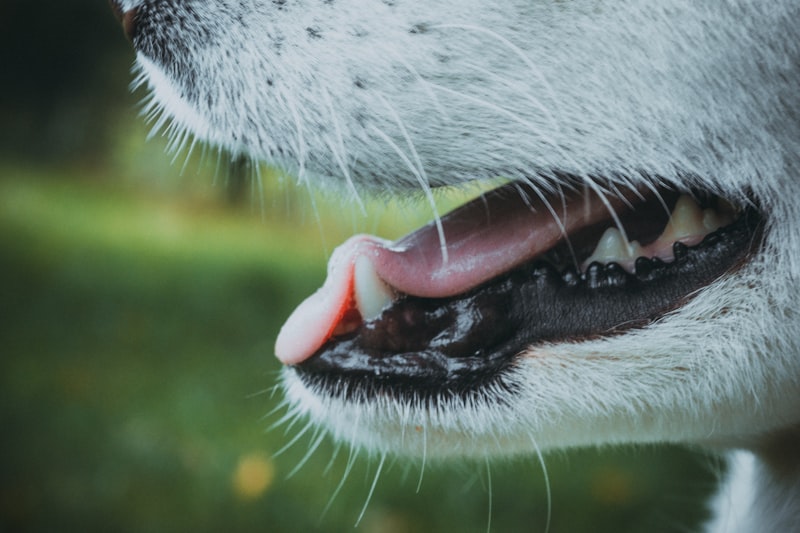 Most dental disease in dogs is invisible from the outside. A weekly quick look inside the mouth — lifting the lip and checking both sides — takes 10 seconds and catches early signs before they become expensive.
Signs your dog may already have dental disease
These signs do not always indicate severe disease — some appear even at Stage 1 or 2 — but all of them warrant a closer look at your dog's dental health:
Bad breath that is noticeably unpleasant
The most common sign owners report. Healthy dogs do not have pleasant-smelling breath, but truly bad breath — the kind that makes you turn away — indicates active bacterial activity beyond normal. This is not "dog breath." It is bacterial metabolism producing volatile sulfur compounds from diseased tissue.
Red, swollen, or bleeding gums
Healthy gums are a consistent bubble-gum pink. Red gum margins, swelling along the gumline, or bleeding when your dog chews a dental treat or you apply light pressure to the gums are all signs of gingivitis — the earliest and most treatable stage of dental disease.
Yellow or brown buildup on teeth
Visible tartar deposits — typically yellow to brown, appearing first at the gumline on the upper back teeth (the cheek side of the upper fourth premolar is the most common location) — indicate that tartar has been accumulating long enough to become visible. Professional scaling is needed to remove it; no home product removes established tartar.
Reluctance to chew hard food or toys
A dog that previously enjoyed hard chews or kibble and now seems to chew only on one side, drops food, or shows reluctance to eat may be experiencing tooth sensitivity or pain. Dogs rarely vocalize dental pain and will often continue eating despite significant discomfort — behavioral changes are frequently the only external sign.
Excessive drooling or pawing at the mouth
Drooling beyond your dog's normal baseline, or a dog that repeatedly paws at their mouth or rubs their face on surfaces, may be responding to oral discomfort. These are less common than the signs above but represent a more advanced or acute level of dental pain when they appear.
Loose or missing teeth in an adult dog
In adult dogs, loose teeth are almost always a sign of significant bone loss from advanced periodontal disease. Adult dog teeth do not loosen from normal wear — they loosen because the supporting structures have been destroyed by bacteria. Any loose tooth in an adult dog warrants an immediate veterinary assessment.
Why dental disease affects more than just teeth
The connection between oral health and systemic health in dogs is not theoretical — it is one of the best-established findings in veterinary medicine over the last two decades. Understanding it changes how you think about dental care from a "nice to have" to a genuine health priority.
The bacteremia pathway
The gums of a dog with advanced periodontal disease are chronically inflamed and ulcerated. Each time the dog chews, bacteria from the infected sites enter the bloodstream — a process called bacteremia. In healthy dogs with healthy mouths, this is a temporary event the immune system resolves quickly. In dogs with chronic, severe dental disease, bacteremia is ongoing. The immune system cannot keep up, and bacteria begin to colonize distant organs.
The heart connection
Veterinary studies have found a statistically significant association between periodontal disease and endocarditis (bacterial infection of the heart valves) and mitral valve disease in dogs. The bacteria most commonly associated with these conditions — Streptococcus, Porphyromonas, and Fusobacterium species — are also among the most common bacteria found in canine periodontal disease. Small breed dogs, which are already predisposed to mitral valve disease, are at the highest combined risk.
The kidney and liver connection
Repeated bacteremia from oral infections places ongoing demand on the kidneys to filter bacterial toxins from the blood. Over time, this contributes to chronic kidney inflammation. Studies comparing dogs with advanced periodontal disease to controls with healthy mouths have found measurable differences in kidney function markers. The liver, as the primary filter organ, is similarly affected. These are not dramatic acute effects — they are the accumulated cost of years of chronic oral infection.
⚠ The cost of professional cleaning
Professional dental scaling under anaesthetic for dogs costs between $300 and $1,000+ depending on the level of disease and the number of extractions required. This is the cost of allowing dental disease to progress to the point where home care cannot manage it. The total cost of consistent home dental care — wipes, brush heads, natural chews — is a fraction of a single professional cleaning. Prevention is dramatically cheaper than treatment at every stage.
The 60-second daily routine that prevents it
Dental care for dogs does not need to be elaborate. The biology requires one thing: mechanical disruption of plaque before it mineralizes. Everything else — specific products, techniques, frequency — is in service of that single goal. Here is the simplest effective routine:
1
Choose your method — wipe or brush
For dogs new to dental care, start with a dental finger wipe. Slide it over your index finger and you have direct, tactile control without a tool that can feel threatening to the dog. For dogs already comfortable with mouth handling, an electric toothbrush with oscillating heads is more effective at reaching between teeth and along the gumline.
2
Lift the lip — work the outer surfaces first
The most important surfaces are the cheek-facing sides of the teeth (not the tongue-facing sides) because tartar accumulates fastest here and these are the surfaces you can reach without your dog having to open their mouth. Lift the lip gently and work along the gumline from front to back on the outer surface of each side. This takes approximately 20 to 25 seconds per side.
3
Focus on the back molars
The upper fourth premolar — the large tooth near the back of the upper jaw on each side — is the tooth where tartar accumulates fastest and where dental disease typically begins. Spend a few extra seconds on these specific teeth. If your dog will only tolerate brief handling, prioritize these surfaces over the front incisors.
4
Reward immediately and consistently
Give a small treat immediately after every session — every single time, without exception. The treat creates a positive association with the routine that builds over days and weeks. Dogs that initially resist dental care almost always become cooperative within 2 to 4 weeks of consistent positive reinforcement. Never skip the reward in the early weeks.
5
Follow up with a natural dental chew (optional but beneficial)
A natural chew given after the wiping or brushing session provides additional mechanical abrasion from chewing, extends the positive association with oral hygiene time, and supports the mechanical work of the wipe or brush. The chewing motion naturally scrapes plaque from tooth surfaces. Natural single-ingredient chews — like beef backstrap tendon — provide this benefit without the artificial additives found in many commercial dental treats.
How to start when your dog hates having their teeth touched
Resistance to oral handling is extremely common — particularly in dogs who have never been handled around their mouth from puppyhood. It is not a fixed personality trait. It is a trained behavior that can be untrained through gradual desensitization.
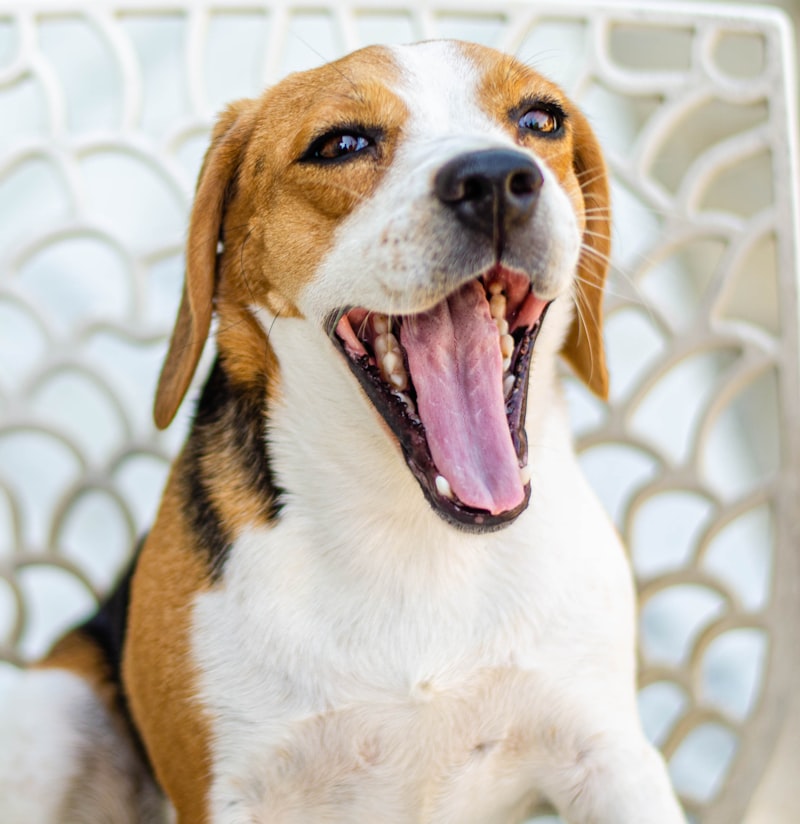 Puppies introduced to mouth handling and dental wipes before 16 weeks accept the routine as normal throughout their adult lives — the single most effective dental prevention investment you can make.
Week 1 — Handle the muzzle only
Spend 30 seconds per day gently touching your dog's muzzle, lips, and chin without attempting to open the mouth or touch the teeth. Reward every session with a treat. The goal is building positive association with being touched around the face before introducing anything near the mouth.
Week 2 — Lift the lip briefly
Begin gently lifting the lip for 2 to 3 seconds to expose the teeth, then release and reward. Do this several times per session. Do not attempt to wipe yet — the goal is only making lip lifting a neutral or positive experience.
Week 3 — Introduce the dental wipe
Let your dog sniff the dental wipe before using it. Touch it briefly to the outside of the lip, then reward. Over several sessions, progress to placing it against the gumline for 2 to 3 seconds, then wiping a small section. Keep sessions very short — under 30 seconds initially. End every session while your dog is still calm, not when they become distressed.
Week 4 onward — Build to full routine
By week 4, most dogs accept a 60-second full wipe routine with minimal resistance. The key variable is consistency — daily sessions with immediate rewards compound into habit faster than occasional sessions. If your dog regresses, shorten the session and rebuild more gradually. Progress is not always linear.
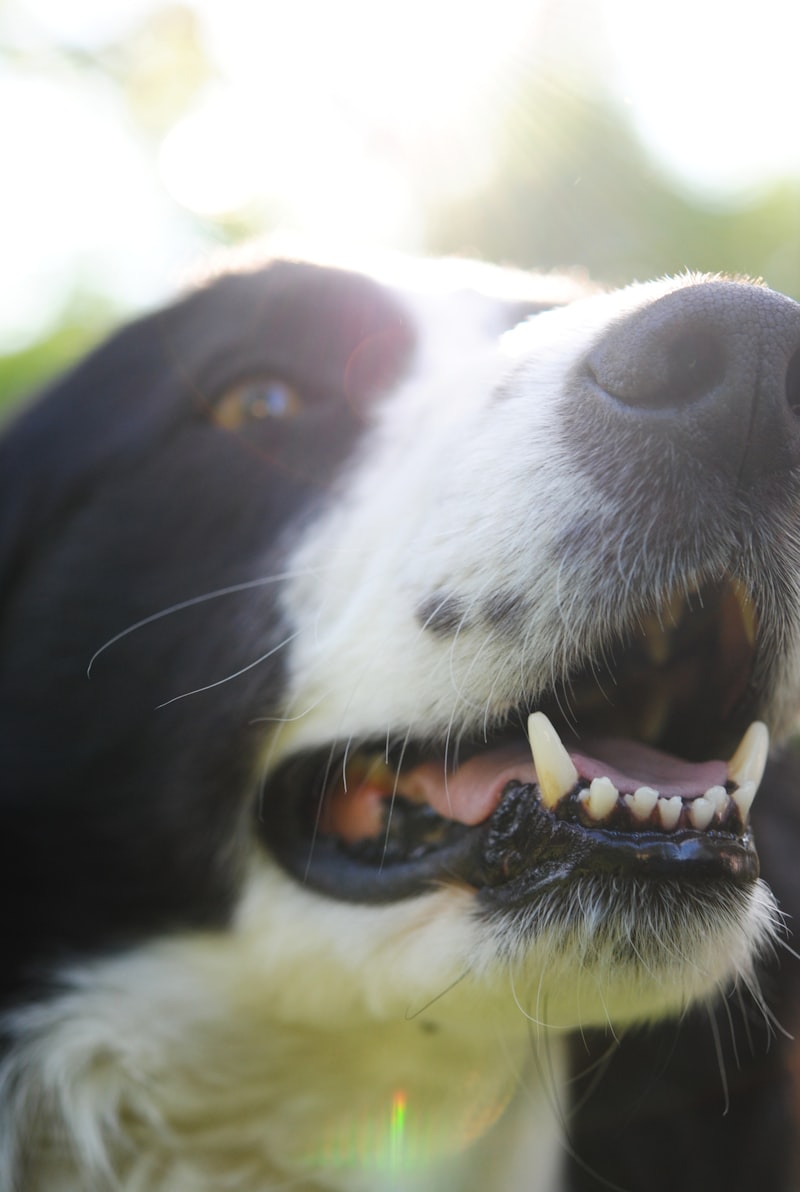 Dogs that are handled regularly around the mouth accept dental care as a normal routine — the training investment in weeks 1 to 4 pays off for the next 10 to 15 years.
💡 For dogs that resist even week 1
For dogs with a strong aversion to mouth handling — particularly rescue dogs or dogs with unknown histories — begin by simply touching the side of the face and rewarding. Over days, work toward touching the muzzle, then the lip area. There is no minimum pace. Some dogs need 4 weeks just to accept lip touching. That is fine. Slow and consistent is always better than fast and stressful — a stressed dog does not learn, it just tolerates until it cannot.
Dental care products at Whisker House — verified in stock
Three products. All directly matched to the dental care routine above. Real photos. Real prices. Real answers to the questions a buyer asks before purchasing:

⭐ Hero product — direct match
Dr. Milou Pet Dental Finger Wipes – Daily Oral Care
$10.95 (10 wipes) · $15.99 (20 wipes) · 6 in stock
The question most buyers ask: "Do these actually work or are they just moistened cloth?" The Dr. Milou formula is enzyme-based — the enzymes chemically break down plaque compounds in addition to the mechanical wipe action, making them more effective than plain gauze or non-enzymatic wipes. Slide over your index finger, lift your dog's lip, and rub along the gumline. Takes under 60 seconds per session. Suitable for dogs and cats. No rinsing required — the formula is safe to swallow.
"My dog hated the toothbrush but took to these within three days. We do it every night now before bed and the vet noticed the improvement at his last checkup." — verified buyer
Shop Dental Wipes — from $10.95 →

⭐ Hero product — direct match
Dr. Milou Replacement Brush Heads – 2 Pack
$9.90 — 2 heads, each lasts up to 12 weeks · 15 in stock
The question most buyers ask: "Is an electric toothbrush actually better than manual for dogs?" Yes — the oscillating head disrupts plaque in areas a manual brush or wipe cannot reliably reach: between teeth and below the gumline. Once your dog is comfortable with the wipe routine (typically 3 to 4 weeks), transitioning to an electric brush with an oscillating head produces better plaque removal per session. Replace heads every 2 to 3 months. Two heads in the pack covers 24 weeks of daily use for under $10.
"Best value dental product I've found. Two heads for less than the cost of a coffee and they genuinely get in between the teeth better than anything else I've tried." — verified buyer
Shop Replacement Brush Heads — $9.90 →

✅ Supporting match — between-session chew
Country Living Beef Backstrap Tendon Chews — 5 Pack
$16.99 — 5 chews, 4" to 7" each · 9 in stock
The question most buyers ask: "Do dental chews actually do anything for teeth or are they just treats?" Natural chews provide genuine mechanical benefit through the physical act of chewing — the friction of the chew surface against teeth removes soft plaque deposits. They are not a substitute for wiping or brushing (they cannot reach the gumline effectively) but they are a meaningful between-session supplement. These are single-ingredient 100% beef backstrap tendon — no artificial additives, preservatives, or dental-claim chemicals. Each chew lasts 20 to 40 minutes for most medium breeds.
"My vet was genuinely impressed at my dog's last dental checkup. I credit these chews every other day plus the Dr. Milou wipes nightly." — verified buyer
Shop Tendon Chews — $16.99 →
Myths vs. facts about dog dental health
MythMy dog's bad breath is just normal "dog breath."
FactHealthy dogs do not have pleasant-smelling breath, but genuinely bad breath — the kind that fills a room or causes you to turn away — is almost always a sign of bacterial activity from plaque and tartar. It is the most consistent early indicator of dental disease and should prompt an assessment of the dog's oral health, not acceptance as a personality trait.
MythDental chews are enough — I don't need to wipe or brush.
FactDental chews provide mechanical benefit from chewing, but they cannot reach the gumline or subgingival areas where plaque and tartar accumulate fastest. The Veterinary Oral Health Council (VOHC) has found that even the best-performing dental chews reduce tartar by around 20 to 30%. Chews are a valuable supplement to mechanical cleaning — they are not a replacement for it.
MythIf my dog's teeth look okay, they don't need dental care.
FactThe most damaging stages of periodontal disease occur below the gumline where no visual inspection can detect them. A dog can have advanced bone loss around multiple teeth with no visible tartar on the crown and no obvious behavioral changes. Regular dental care is preventative — its value is precisely that it prevents the disease from progressing to the visible stage.
MythIt is too late to start dental care in an older dog.
FactStarting dental care in an older dog is always worthwhile — it arrests further progression, even if it cannot reverse damage already done. After a professional cleaning to remove established tartar, consistent home care in an older dog maintains the result and significantly slows re-accumulation. The benefit of starting is not zero simply because the ideal starting point (puppyhood) has passed.
MythMy dog would not let me brush their teeth, so I cannot do home dental care.
FactMost dogs who resist a toothbrush accept dental finger wipes within 1 to 2 weeks of gradual introduction. The finger wipe approach eliminates the tool that most dogs find threatening — there is no foreign object in the mouth, just your finger with a textured wipe over it, which most dogs experience as simply being touched. Starting with wipes and building to brushing is the standard approach for resistant dogs.
Frequently asked questions
How often do I need to clean my dog's teeth at home?
Daily is the gold standard recommended by veterinary dentists. However, research shows that disrupting plaque every 2 to 3 days is sufficient to prevent mineralization in most dogs. Every-other-day wiping provides meaningful protection. What does not work is once-a-week or occasional cleaning — this is not frequent enough to prevent plaque from hardening between sessions. If you can only manage three sessions per week, prioritize the upper back teeth where tartar accumulates fastest.
Can I use human toothpaste on my dog?
Never. Human toothpaste contains fluoride and frequently xylitol — both of which are toxic to dogs. Dogs cannot rinse and spit, so anything applied to their teeth is swallowed. Always use a dog-specific toothpaste, enzymatic dental wipes designed for dogs, or plain water. The Dr. Milou dental wipes use an enzyme formula that is specifically designed to be safe for ingestion — dogs can swallow the residue without any concern.
How do I know if my dog needs a professional dental cleaning?
If you can see visible yellow or brown deposits on your dog's teeth, particularly along the gumline or on the upper back teeth, tartar has already accumulated beyond what home care can remove. Professional scaling under anaesthetic is the only option to address established tartar. Home care following professional cleaning then maintains the result. Signs that warrant an assessment sooner include bad breath, red or swollen gums, loose teeth, or any behavioral changes around eating or chewing.
My dog is 7 years old and has never had their teeth cleaned. Is it too late?
It is not too late, but your dog likely has some degree of established tartar and possibly early to moderate periodontal disease that a vet should assess before you begin home care. Starting home care on a mouth with significant established disease can disturb bacteria in a way that accelerates bacteremia without the professional cleaning that removes the tartar. Book a dental check first, have any professional cleaning done if recommended, and then begin consistent home care to maintain the result. From that point forward, home care in a 7-year-old dog is just as effective as in a younger one.
Are natural dental chews better than synthetic ones?
For most dogs, natural single-ingredient chews are preferable to synthetic dental treat formulations for two reasons. First, natural chews contain no artificial chemicals, colors, or dental-claim additives that add to ingredient complexity without meaningful proven benefit. Second, natural chews like beef tendons provide genuine long-duration chewing that creates sustained mechanical abrasion — the 20 to 40 minutes a dog spends on a tendon chew creates far more tooth contact time than the 5 to 10 minutes spent on a softer synthetic treat. The plaque-reduction benefit of a chew scales with how long and actively the dog chews it.
Small breed dogs seem to have worse teeth than large breeds. Is this true?
Yes — small breed dogs are disproportionately affected by dental disease for two reasons. First, their teeth are proportionally large relative to their jaw size, resulting in crowding that creates more plaque-trapping surfaces between teeth. Second, many small breeds are predisposed to retained deciduous (baby) teeth, where the adult tooth erupts without the baby tooth falling out, creating a double row that dramatically accelerates plaque and tartar accumulation. Small breed owners should begin dental care earlier and maintain more frequent cleaning — daily rather than every other day is strongly recommended for breeds like Yorkshire Terriers, Chihuahuas, Dachshunds, and Shih Tzus.
Final recommendations
Preventing dental disease in dogs is one of the highest-impact things you can do for their long-term health — and one of the most consistently underperformed by owners who simply do not know how significant the stakes are. Here is where to start:
1
Look inside your dog's mouth today. Lift the lip on both sides and check the upper back teeth for yellow or brown deposits and red gum margins. What you find determines whether you start home care alone or need a professional cleaning first.
2
Start with dental finger wipes — not a toothbrush. The Dr. Milou Dental Finger Wipes ($10.95) are the lowest-resistance entry point for any dog. Most dogs accept them within 1 to 2 weeks. Start the training process described above and build from there.
3
Be consistent over ambitious. A 60-second wipe every other day done consistently for a year is worth more than daily brushing done for two weeks and then abandoned. Match the routine to what you will actually maintain.
4
Add a natural chew 2 to 3 times per week. Country Living Beef Backstrap Tendon Chews ($16.99) are the most effective between-session supplement — long chewing duration, single ingredient, no artificial additives. Give one after the wipe session to reinforce the positive association.
5
Progress to an electric toothbrush once wipe tolerance is established. The Dr. Milou Replacement Brush Heads ($9.90) provide oscillating plaque removal that outperforms both wipes and manual brushes once your dog is comfortable with oral handling. This is the long-term endpoint — wipes are the entry point, electric brushing is the destination.
6
Book a professional dental assessment if you see established tartar or have a dog over 5 years with no dental history. Home care maintains a clean mouth — it cannot clean an already diseased one. Professional cleaning is the reset; home care is the maintenance.
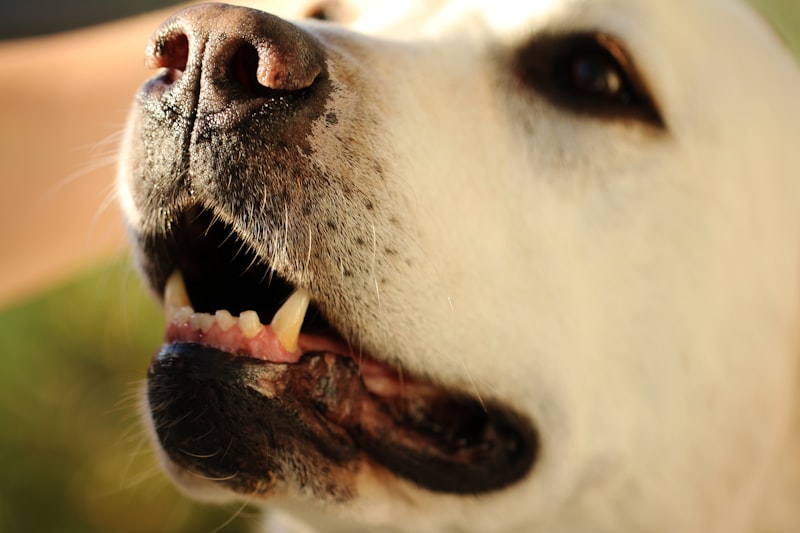 A dog with a consistently maintained mouth is healthier not just in their teeth but throughout their entire body — the 60-second daily routine is one of the most direct contributions you can make to your dog's long-term health.
60 seconds a day. A lifetime of healthier teeth.
The Dr. Milou Dental Finger Wipes, Dr. Milou Replacement Brush Heads, and Country Living Beef Backstrap Tendon Chews are all in stock at Whisker House. Ships across the United States from $9.90.
Shop dog dental care at Whisker House →
WH
Whisker House
Whisker House is a curated pet supply store built by pet owners who believe your dog's health is worth the same care and intention you put into your own. Every product is chosen because it solves a real problem for real pets — not because it looks good on a shelf. Backed by 780+ verified customer reviews, shipping across the United States at whiskerhouse.store.
