Dog Nutrition · July 2026
Are You Feeding Your Dog Enough Protein?
The simple label test every dog owner should know — and the single-ingredient freeze-dried treats that actually deliver real nutrition from $8.91.
Updated: July 15, 2026 Dog Nutrition 7 min read
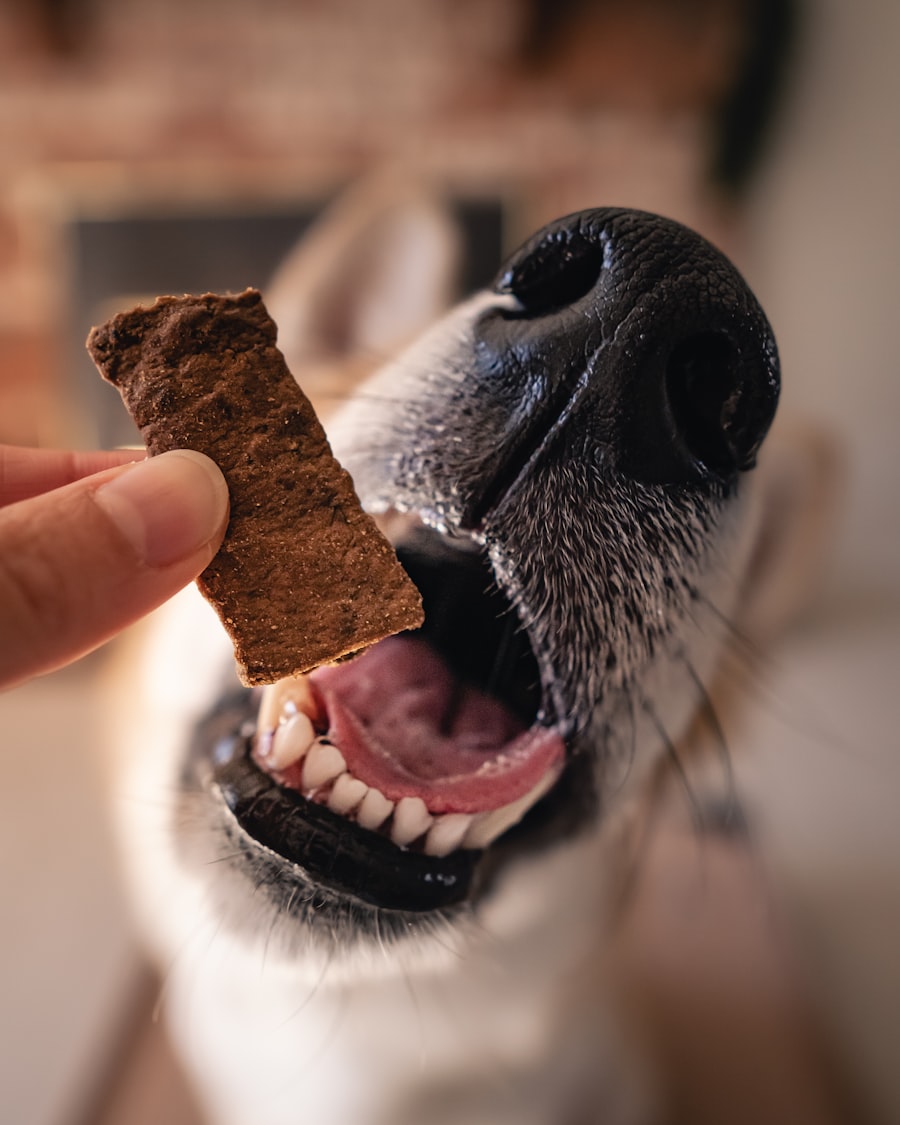
Quick answer: Adult dogs need a minimum of 18% protein in their daily diet — puppies need 22.5% or more. Most standard dog treats are primarily made from starch, sugar, and flavoring agents with very little actual protein. Single-ingredient freeze-dried treats contain nothing but whole protein — no fillers, no artificial preservatives, and no ingredients you cannot pronounce. They are one of the simplest, most effective ways to add real nutrition to your dog's day.
Key takeaways
✓Adult dogs need at least 18% protein daily. Puppies need 22.5% or more per AAFCO guidelines.
✓Most commercial dog treats list a grain or starch as the first ingredient — not protein.
✓Freeze-drying removes moisture without heat, preserving the full nutritional value of raw ingredients.
✓Single-ingredient treats are the gold standard for dogs with sensitivities, allergies, or picky appetites.
✓Treats should make up no more than 10% of your dog's daily caloric intake.
✓Real freeze-dried single-ingredient treats start from $8.91 at Whisker House.
You already read the label on your own food. You check for added sugar, scan the ingredient list, and think twice about anything ending in "-ose" or "-ate." But when was the last time you flipped over your dog's treat bag and actually read what was in it?
For most pet owners, the answer is never. And the result is that millions of dogs receive treats every single day that contain almost no real nutritional value — just starch, artificial flavoring, and a protein source so far down the list it barely registers. This guide changes that.
How much protein does your dog actually need?
Protein is the single most important macronutrient in a dog's diet. It provides the amino acids that build and maintain muscle, support immune function, fuel daily energy, and keep coat and skin healthy. Unlike humans, who can get by on moderate protein with plant-based sources filling the gap, dogs are designed to thrive on animal protein specifically.
The Association of American Feed Control Officials (AAFCO) sets the minimum protein requirements for commercially available dog food. These are the baseline numbers every dog owner should know:
| Life Stage |
Minimum Protein |
Notes |
| Adult dogs |
18% |
Minimum for maintenance — active dogs benefit from more |
| Puppies |
22.5% |
Higher needs to support rapid growth and development |
| Pregnant or nursing dogs |
22.5% |
Elevated demand during this stage |
| Senior dogs |
25%+ recommended |
Higher protein helps counteract natural muscle loss |
| Highly active dogs |
28–30% recommended |
Working dogs, sporting breeds, high-energy breeds |
The key word in those AAFCO numbers is "minimum." These are the floor, not the target. A lap dog who sleeps most of the day can get by on 18%. A Border Collie who runs two hours a day needs significantly more. Senior dogs — often incorrectly fed lower-protein diets — actually benefit from higher protein intake to counteract natural muscle loss with age.
💡 The protein quality check
Protein percentage alone tells you nothing about quality. A treat can show 20% protein on the label and have that protein come entirely from corn gluten — a plant source dogs cannot use efficiently. Always look at the source: chicken, salmon, beef liver, and shrimp are animal proteins your dog's body was designed to use. Corn gluten meal, soy protein, and wheat gluten are plant fillers.
 Dogs thrive on animal protein — it provides the amino acids their bodies cannot synthesize on their own.
The treat label test you should do right now
Grab your dog's current treat bag. Turn it over. Find the ingredient list. Read the first three ingredients out loud. Ingredients are listed by weight in descending order — the first ingredient is the most abundant. If your dog's treat lists any of the following in the first three positions, the primary content of that treat is filler, not nutrition:
🚩 Red flag first ingredients — fillers, not protein
❌
Wheat flour or Whole wheat flour
Cheap binder. Provides carbohydrates, not protein. A common trigger for dogs with grain sensitivities.
❌
Corn, Corn starch, or Corn syrup
Starch and sugar filler. Low nutritional value. Used to add bulk and palatability cheaply.
❌
Glycerin or Propylene glycol
Used in soft chewy treats to maintain moisture. No nutritional contribution whatsoever.
❌
Soy protein or Soy flour
Plant protein your dog cannot use as efficiently as animal protein. Common allergen in dogs.
❌
Sugar, Brown sugar, or Molasses
Added to make treats palatable. Zero nutritional value. Contributes to weight gain and dental issues.
❌
Meat by-products or Poultry by-products
Vague term for low-quality animal parts. Not harmful but far below named proteins like chicken or salmon.
 The first three ingredients on a treat label tell you everything — if the first is not a named protein, it is a filler.
✅ Green light first ingredients — real protein
✅
Chicken, Chicken breast, or Chicken liver
Named, specific animal protein. Lean, highly digestible, excellent amino acid profile.
✅
Salmon or Wild-caught salmon
High-quality protein plus naturally occurring Omega-3 fatty acids. Excellent for coat and skin health.
✅
Beef liver or Beef
Exceptionally nutrient-dense. Rich in iron, Vitamin B12, Vitamin A, and complete animal protein.
✅
Shrimp
Lean, low-calorie animal protein. High in iodine and antioxidants. Good for dogs needing a low-fat option.
✅
Sweet potato as a secondary ingredient only
When paired with a named protein as the first ingredient, sweet potato adds fibre, beta-carotene, and digestive support.
The simplest version of this test: if you cannot read and understand every ingredient in under 10 seconds, the treat is probably not as clean as the packaging suggests.
What is freeze-drying and why does it matter?
Freeze-drying is a preservation method that removes moisture from raw ingredients without using heat. The process works in three stages: the ingredient is first frozen, then placed in a vacuum chamber where the pressure is lowered, causing the frozen water to convert directly from ice to vapor without passing through a liquid stage. The result is a lightweight, shelf-stable product that retains the original taste, smell, texture, and nutritional profile of the raw ingredient.
This matters enormously for nutrition. Conventional kibble and most commercial treats are processed using high heat — a step that extends shelf life but also degrades heat-sensitive nutrients including vitamins, enzymes, and some amino acids. Freeze-drying bypasses this problem entirely.
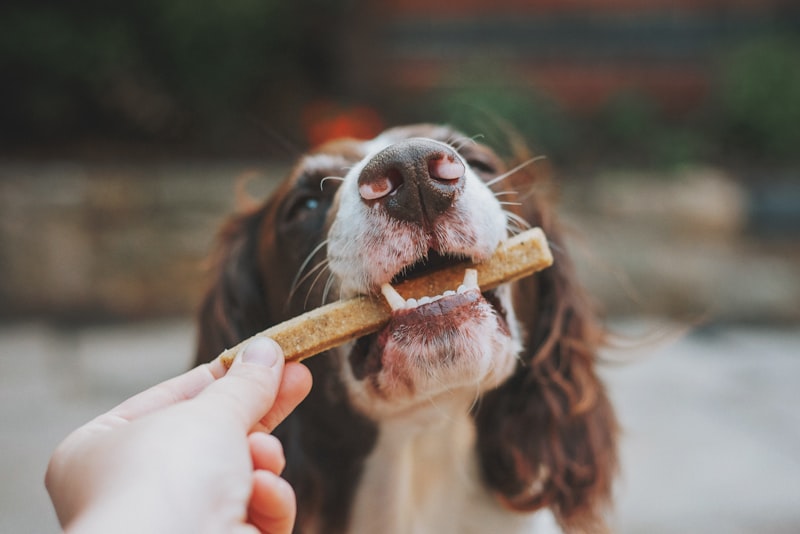 Freeze-dried treats smell and taste like raw meat because they are raw meat — just with the moisture removed.
Freeze-dried vs. dehydrated — an important distinction
Some brands label products as "air-dried" or "dehydrated" alongside freeze-dried marketing language. These are not the same process. Dehydration still uses heat — typically between 130°F and 165°F — which means some nutrient degradation does occur. Freeze-drying uses no heat at all. Always look for the word "freeze-dried" explicitly on the label — not "gently dried," "slowly dehydrated," or "air-cured."
💡 Long shelf life — a genuine practical benefit
Because moisture is removed during freeze-drying, treats have a naturally long shelf life — typically 18 to 24 months unopened — without artificial preservatives. Once opened, reseal the bag tightly and use within 2 to 3 months. No refrigeration required before or after opening.
Why single-ingredient beats everything else
A single-ingredient treat contains exactly what the label says and nothing else. Freeze-dried salmon means 100% salmon. Freeze-dried beef liver means 100% beef liver. There are no binding agents, no flavor enhancers, no preservatives, and no secondary ingredients of any kind. This matters for three groups of dog owners in particular.
Dogs with food sensitivities or allergies
Food sensitivities in dogs are almost always triggered by a specific protein — most commonly chicken, beef, dairy, wheat, soy, or corn. Standard treats contain so many ingredients that identifying the trigger becomes nearly impossible. Single-ingredient treats eliminate this problem entirely. If your dog reacts to a single-ingredient salmon treat, you know immediately that salmon is the issue. If they do not react, you can confidently add it to their rotation.
Dogs on elimination diets
Veterinary-guided elimination diets require strict control of every protein source the dog consumes — including treats. A dog on a novel protein elimination diet cannot have a treat that contains even trace amounts of chicken or beef. Single-ingredient treats, with their transparent ingredient lists, are the only treats compatible with a properly managed elimination diet.
Picky eaters
Freeze-dried animal proteins smell and taste like raw meat because that is exactly what they are. The freeze-drying process locks in the natural aroma and flavor of the raw ingredient — an intensity that most filler-based treats cannot replicate with artificial flavoring. For dogs who turn their nose up at standard treats, freeze-dried single-ingredient options are frequently the solution.
The Dog Bodega freeze-dried treats — what is in each one
Every treat in The Dog Bodega range at Whisker House is single-ingredient, freeze-dried, human-grade, and grain-free. Available in four varieties, each with a specific nutritional profile:
Freeze-Dried Salmon Treats
$8.91
Best for coat and skin
100% wild-caught salmon. Naturally rich in Omega-3 fatty acids (EPA and DHA), which support skin health, reduce inflammation, and promote a shiny coat. A strong flavour — highly appealing even to picky eaters. Works for both dogs and cats.
Shop Salmon Treats — $8.91 →
Freeze-Dried Beef Liver Treats
$8.91
Best for training rewards
100% human-grade beef liver. Exceptionally nutrient-dense — rich in iron, Vitamin B12, Vitamin A, and complete animal protein. The intense aroma makes it the gold-standard training reward that commands attention even in distracting environments.
Shop Beef Liver Treats — $8.91 →
Freeze-Dried Shrimp Treats
$8.91
Best for weight-conscious dogs
100% human-grade shrimp. Naturally lean and low in calories — excellent for dogs watching their weight or prone to weight gain. High in iodine and antioxidants. Suitable for both dogs and cats. Great for dogs who have lost interest in standard treats.
Shop Shrimp Treats — $8.91 →
Freeze-Dried Sweet Potato Treats
$8.91
Best for sensitive stomachs
100% sweet potato. Rich in dietary fibre, beta-carotene, Vitamin C, and potassium. Gentle on digestion and excellent for dogs with upset stomachs or those needing a lighter everyday snack between protein-based rewards.
Shop Sweet Potato Treats — $8.91 →
Try all four
Rotating between protein sources keeps treat time exciting and ensures your dog gets a wider range of nutrients. Many experienced dog owners keep two or three varieties in rotation — a high-value option like beef liver for training, and a lighter option like shrimp or sweet potato for everyday rewards.
How to use freeze-dried treats the right way
Freeze-dried treats are more nutrient-dense than standard treats, which means portion control matters more. Because they are dehydrated, a small piece delivers the flavour and protein of a much larger amount of fresh meat. This is good news for your dog's nutrition — but it means the handful approach most owners use with standard biscuits is the wrong instinct here.
The 10% rule
Treats should make up no more than 10% of your dog's total daily caloric intake. For a 30-pound dog eating approximately 700 calories per day, that is 70 calories from treats — which is quite a few freeze-dried pieces given how low-calorie they are individually. The shrimp treats in particular are very lean, making them ideal for dogs on calorie-restricted diets.
Break them into smaller pieces for training
Freeze-dried treats are easy to break into smaller pieces with your fingers. For training sessions where you need to reward frequently, break the pieces small — your dog will still find them highly motivating because the smell and taste are so concentrated. This lets you give 20 rewards in a session for the caloric cost of 4 or 5 full treats.
Use as a meal topper for picky eaters
Crumble freeze-dried treats over your dog's regular kibble to transform it into something far more appealing. The natural aroma of freeze-dried protein is intense enough to motivate even the most reluctant eaters. This is particularly useful during food transitions, illness recovery, or for senior dogs whose sense of smell has diminished over time.
 Break freeze-dried treats into small pieces for training — the intense aroma means smaller pieces work just as well as larger ones.
⚠ One thing to note
Freeze-drying does not eliminate all pathogens from raw ingredients. If your dog is immunocompromised, very young, or very old, speak with your vet before introducing freeze-dried products. For healthy adult dogs, the risk is minimal and the nutritional benefits are significant.
Complete the nutrition picture
For dogs who need broader daily support beyond treats, the Bestia Dog Sport supplement range at Whisker House pairs naturally with freeze-dried treats to cover the nutritional gaps treats alone cannot fill:
Complete your dog's nutrition — in stock now
Bestia Dog Sport Probiotic Chews — 8-strain gut health, 6 billion CFU$43.90Shop →
Bestia Dog Sport Pure Salmon Oil — 2,800mg Omega-3 per teaspoon, no fillers$57.90Shop →
Bestia Dog Sport 10-in-1 Multivitamin — complete daily wellness in one soft chew$43.90Shop →
Bestia Dog Sport Calming Chews — hemp, chamomile, L-theanine, and melatonin$43.90Shop →
Myths vs. facts about dog protein
MythHigh-protein diets cause kidney disease in dogs.
FactUnless your dog already has kidney disease, high-protein diets are generally safe for healthy dogs. This myth originated from studies on dogs with pre-existing kidney conditions. For healthy dogs, high-quality protein supports muscle, immunity, and energy.
MythPlant protein is just as good as animal protein for dogs.
FactDogs digest animal proteins significantly more efficiently than plant proteins. Animal sources like chicken, salmon, and beef liver contain complete amino acid profiles and higher biological availability. Plant proteins may fulfill a percentage on a label without delivering the same nutritional value.
MythTreats are just snacks — they do not affect my dog's nutrition.
FactTreats that make up 10% of your dog's caloric intake are a meaningful part of their diet. If those treats are primarily starch and sugar, that is a real nutritional gap. If they are single-ingredient freeze-dried protein, that 10% actively contributes to your dog's health.
MythFreeze-dried treats are too expensive to use every day.
FactAt $8.91 per bag from Whisker House, one bag of The Dog Bodega freeze-dried treats delivers dozens of training-sized pieces. When broken into small pieces, one bag can last several weeks of daily use — making the per-treat cost comparable to or lower than many premium biscuit brands.
MythSenior dogs need less protein as they age.
FactSenior dogs actually benefit from higher protein intake. Aging dogs naturally lose muscle mass — a process called sarcopenia — and adequate high-quality protein helps counteract this. Veterinary nutritionists recommend at least 25% protein for healthy senior dogs from named animal sources.
Frequently asked questions
Can cats eat The Dog Bodega freeze-dried treats?
Yes. The Dog Bodega freeze-dried treats are suitable for both dogs and cats. The salmon, beef liver, and shrimp varieties are particularly well-suited to cats, who are obligate carnivores and benefit greatly from high-quality single-ingredient animal protein. Always introduce any new treat gradually and monitor for any sensitivity.
How do I know if my dog is getting enough protein?
Signs of adequate protein include a healthy shiny coat, good muscle tone, consistent energy levels, and a healthy body weight. Signs of insufficient protein can include a dull or thinning coat, muscle loss, lethargy, slow wound healing, and frequent illness. A review of the guaranteed analysis on your dog's food label and a conversation with your vet is the best starting point.
Are freeze-dried treats safe for puppies?
Most freeze-dried single-ingredient treats are appropriate for puppies, but because freeze-drying does not eliminate all pathogens, speak with your vet first if your puppy is very young (under 12 weeks) or immunocompromised. For healthy puppies over 12 weeks, small broken pieces of freeze-dried salmon or shrimp are a safe, high-value reward during early training.
How many freeze-dried treats should I give per day?
Follow the 10% rule: treats should make up no more than 10% of your dog's daily caloric intake. For most medium-sized dogs, this works out to around 5 to 10 full-sized pieces per day — or significantly more if you break them into small training pieces. Always adjust for your specific dog's size, weight, and activity level.
What is the difference between freeze-dried and dehydrated treats?
Dehydration uses heat — typically between 130°F and 165°F — to remove moisture, which can degrade heat-sensitive vitamins and enzymes. Freeze-drying uses no heat at all: the ingredient is frozen and moisture is removed through sublimation in a vacuum chamber. The result retains more of the original nutritional content. Always look for the word "freeze-dried" specifically on the label.
Do freeze-dried treats need to be refrigerated?
No. Because freeze-drying removes moisture — the primary environment in which bacteria grow — freeze-dried treats are shelf-stable without refrigeration. Store in a cool dry place away from direct sunlight. Unopened bags typically last 18 to 24 months. Once opened, seal tightly after each use and consume within 2 to 3 months for best quality.
Final recommendations
Switching to single-ingredient freeze-dried treats is one of the simplest, most impactful changes you can make to your dog's daily nutrition. Here is what to do this week:
1
Do the label test on your current treats. Turn the bag over and read the first three ingredients. If any are grains, starches, or sugars, it is time for an upgrade.
2
Start with one variety. If your dog has no known sensitivities, start with beef liver — it is the most universally appealing. If they have a chicken or beef sensitivity, start with shrimp or salmon instead.
3
Break pieces small for training. You do not need a full piece to get the training benefit. Small pieces are just as motivating because the smell is so concentrated.
4
Respect the 10% rule. Treats should make up no more than 10% of daily calories. Freeze-dried treats are nutrient-dense — a little goes a long way.
5
Rotate between varieties. Salmon for Omega-3s, beef liver for iron and B12, shrimp for lean protein, sweet potato for fibre. Variety keeps treats interesting and nutrition broad.
6
Pair with a daily supplement for complete nutrition. Freeze-dried treats cover protein and specific micronutrients well. A comprehensive daily supplement fills the remaining nutritional gaps — especially important for active, senior, or sensitive dogs.
Real protein. One ingredient. Nothing else.
The Dog Bodega freeze-dried treats are in stock now at Whisker House — four varieties, all single-ingredient, all human-grade, all from $8.91. Ships across the United States.
Shop freeze-dried treats at Whisker House →
WH
Whisker House
Whisker House is a curated pet supply store built by pet owners who believe what goes into your pet's body matters as much as what goes into yours. Every product is chosen because it solves a real problem for real pets — not because it looks good on a shelf. Backed by 780+ verified customer reviews, shipping across the United States at whiskerhouse.store.
