Dog Treats & Training · August 2026
Freeze-Dried vs. Dehydrated: A Real Training-Treat Guide
Both are single-ingredient, high-value dog treats — but they're made differently, and that difference actually affects which one works better in your pocket during a training session.
Updated: August 2, 2026 Dog Treats 7 min read
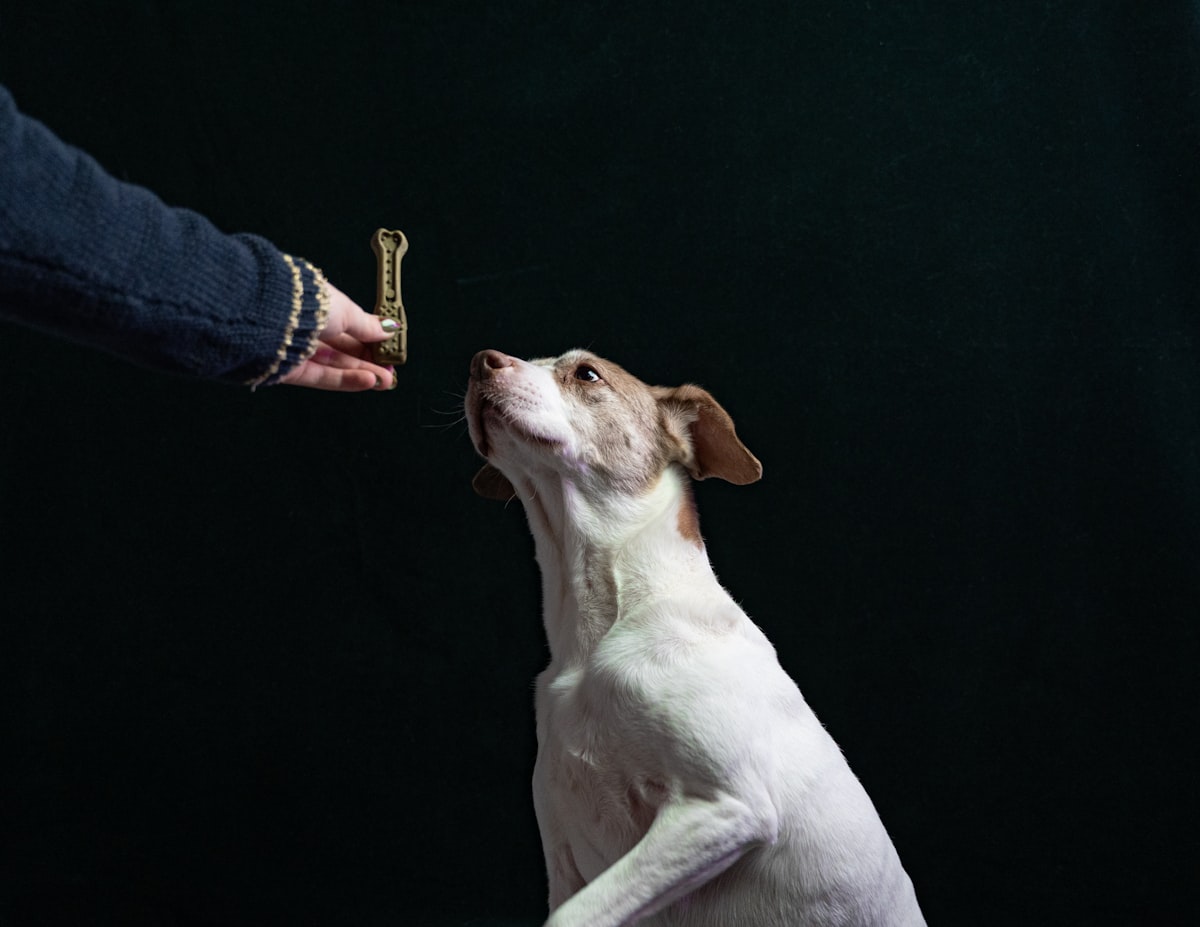
Quick answer: Freeze-dried treats are made by freezing food, then removing the ice through a process called sublimation — this keeps the raw ingredient's structure, taste, and nutrients almost completely intact, but makes for a light, crumbly treat and a higher price tag. Dehydrated treats are made with slow, steady low heat over a longer period, producing a denser, chewier treat that's usually less expensive and holds up better to being carried around in a pocket or treat pouch. Both are genuinely good single-ingredient training treats — the right one depends on whether you value nutrient retention or durability more for how you actually train.
Key takeaways
✓Freeze-drying freezes the food, then removes ice through sublimation under low pressure — a gentler process that keeps nutrients, taste, and structure closer to the raw ingredient, according to PetMD.
✓Dehydrating uses slow, sustained low heat to pull moisture out over a longer period, producing a denser, chewier result.
✓Freeze-dried treats are typically pricier because the process itself is more energy- and time-intensive.
✓Dehydrated treats generally hold up better to being carried loose in a pocket or treat pouch — freeze-dried treats can crumble.
✓Freeze-drying does not eliminate all pathogens, even with additional pasteurization steps — normal food-safe handling still applies.
Walk down any pet store's treat aisle and you'll see "freeze-dried" and "dehydrated" used almost interchangeably — single-ingredient bags of liver, chicken hearts, or turkey, all marketed as clean, high-protein training treats. They're not actually the same thing. The two processes work differently, and that difference shows up in texture, price, and — for anyone using these as training rewards — how well the treat survives twenty minutes in your pocket.
How Each One Is Actually Made
Freeze-drying starts by freezing the food solid. From there, according to PetMD, the food "undergoes a process called sublimation, where it's exposed to low pressure and heat to remove the ice," with a final low-heat step to remove any remaining moisture. Because the ingredient is never exposed to real cooking heat, its structure, taste, and nutrient content stay close to what raw liver, chicken, or beef would offer — PetMD notes freeze-drying "allows the ingredients to remain unchanged," which is part of why these treats tend to smell and taste so strongly to dogs.
Dehydrating works differently: food sits under slow, steady low heat for an extended period, gradually driving out moisture through evaporation rather than sublimation. It's a more traditional, lower-tech process — closer to how jerky has been made for centuries — and it results in a denser, chewier product than the light, almost airy texture of a freeze-dried treat.
Freeze-Dried vs. Dehydrated: Head-to-Head
| What matters |
Freeze-Dried |
Dehydrated |
| Process |
Frozen, then moisture removed via sublimation under low pressure — minimal heat exposure |
Slow, steady low heat over a longer period pulls out moisture through evaporation |
| Texture |
Light, airy, crumbly — can break apart easily |
Denser and chewier — holds together better under handling |
| Nutrient retention |
Very high — structure and nutrients stay close to the raw ingredient |
Good, though the longer heat exposure can reduce some heat-sensitive nutrients compared to freeze-drying |
| Shelf life |
Long once sealed — moisture is almost fully removed |
Long once sealed, though generally slightly more moisture remains than freeze-dried |
| Cost |
Usually more expensive — a more energy- and time-intensive process |
Usually less expensive per treat |
Neither process makes a "better" treat in the abstract — freeze-drying wins on nutrient retention and raw-like flavor, dehydrating wins on durability and price. Which one matters more depends on what you're actually using the treat for.
 High-value single-ingredient treats like these work well for training precisely because of how strongly they smell and taste.
Which One Works Better for Training
Both types are genuinely strong training-treat choices for the same core reason: single-ingredient, minimally processed meat treats tend to be more aromatic and higher-value to a dog than a starch-based biscuit, which makes them effective rewards in a session where you need a dog's full attention. Where they diverge is practical, not nutritional.
🎒
Pocket and pouch durability
Freeze-dried treats are light and can crumble into dust if tossed loosely into a pocket for a long walk. Dehydrated treats are denser and generally survive rougher handling better — worth considering if your sessions happen on the move.
✂️
Breaking into small pieces
Both break down easily for portion control during rapid-reward training, though freeze-dried treats tend to crumble rather than cut cleanly — fine if you're feeding whole pieces, less fine if you want precise small bites.
👃
Scent and palatability
Freeze-dried treats generally retain the strongest raw-like scent, since the ingredient is never exposed to sustained heat — a real edge for a distractible dog or a high-difficulty training environment.
What We Carry
Whisker House carries real options in both categories, so you can pick based on the tradeoffs above rather than settling for whichever one happened to be in stock.

Freeze-dried
The Dog Bodega Freeze-Dried Beef Liver Treats
$8.91 · 5 in stock
100% human-grade beef liver, single-ingredient and grain-free, freeze-dried to a light, crunchy texture. Safe for both dogs and cats — a strong pick when you want maximum scent and flavor for a tough training environment.
Shop Freeze-Dried Beef Liver — $8.91 →

Dehydrated
Country Living Chicken Hearts & Livers Dog Treats
$16.99 · 34 in stock
100% chicken hearts and livers, slow-dehydrated for a crunchy, lightweight treat that holds up well in a pocket or treat pouch. Grain-free, rawhide-free, no preservatives — a 9oz resealable bag built for daily training use.
Shop Chicken Hearts & Livers — $16.99 →
If neither the beef liver nor the chicken hearts and livers fit what your dog needs, our Farm To Pet Live Like Roo Turkey Chips are another freeze-dried, single-ingredient option — 100% turkey breast at 7 calories per chip, a good fit for dogs with chicken allergies, from $14.95, with $2 of every bag going to a canine cancer charity.
A Quick Safety Note
⚠ Freeze-drying doesn't fully sterilize a treat
Per PetMD, "freeze-drying does not eliminate all pathogens in the diet. Even with high-pressure pasteurization, pathogens may be decreased but not fully eliminated." This applies to freeze-dried treats generally, not just raw diets. It's not a reason to avoid them — it's a reason to handle them the way you'd handle any raw-adjacent food: wash your hands after handling, keep them away from young children or immunocompromised household members, and store them sealed per the package instructions.
Dehydrated treats, having been exposed to sustained heat throughout the process, carry a somewhat lower version of this same general consideration — but ordinary food-safe handling is still a reasonable habit for any meat-based treat.
Myths vs. Facts
MythFreeze-dried and dehydrated are basically the same thing, just different marketing terms.
FactThey're genuinely different processes — sublimation under low pressure versus sustained low heat — and that difference shows up in texture, nutrient retention, and price.
MythFreeze-dried is always the objectively "better" treat.
FactIt generally wins on nutrient retention and scent, but dehydrated treats often win on durability and price — "better" depends on how you're using the treat.
MythBecause these treats are natural and single-ingredient, food safety doesn't apply.
FactFreeze-dried treats in particular can retain pathogens even after processing — normal handling precautions still matter, regardless of how "clean" the ingredient list looks.
Frequently Asked Questions
Which is better for a puppy just starting training?
Either works — the more relevant factor for a puppy is treat size and how easily you can break it into very small pieces for rapid-reward sessions, which both types allow.
Do freeze-dried treats need to be rehydrated before feeding?
No — freeze-dried treats are made to be fed as-is. Rehydrating is more relevant to freeze-dried meals meant to be reconstituted into a full food, not single-ingredient training treats like the ones in this guide.
Why are freeze-dried treats usually more expensive?
The sublimation process is more energy- and time-intensive than standard dehydration, and that cost is reflected in the price of the finished treat.
Can cats have these treats too?
Some can — our Dog Bodega freeze-dried treats are labeled safe for both dogs and cats. Always check the specific product's packaging, since not every treat is formulated for both species.
Is one type easier to digest than the other?
Both are typically easy to digest as single-ingredient treats, though any new treat — freeze-dried or dehydrated — is worth introducing gradually to watch for individual sensitivity.
Final Recommendations
If you're deciding between freeze-dried and dehydrated training treats today, here's what actually matters:
1
Choose freeze-dried for maximum scent and nutrient retention — especially useful for high-distraction environments where you need a dog's full attention.
2
Choose dehydrated for durability and value — better suited to being carried loose in a pocket or pouch on longer walks or hikes.
3
Keep pieces small for rapid-reward training regardless of which type you choose — both break down easily.
4
Handle freeze-dried treats like any raw-adjacent food — wash hands after handling and store sealed, since freeze-drying doesn't fully eliminate pathogens.
5
It's fine to keep both on hand — many households use freeze-dried for focused training sessions and dehydrated for everyday rewards and walks.
Stock Up on Training Treats
The freeze-dried beef liver and dehydrated chicken hearts & livers treats above are both in stock now, along with the rest of our treats collection. New visitors get 7% off automatically at checkout.
Shop Whisker House Treats →
WH
Whisker House
Whisker House is a curated pet supply store built by pet owners who read the ingredient panel before recommending anything. Every product is chosen because it solves a real problem for real pets — not because it looks good on a shelf. Backed by 780+ verified customer reviews, shipping across the United States at whiskerhouse.store.
