Cat Travel · September 2026
How to Travel With Your Cat: Carrier, Litter Box & Anxiety Guide
Most cats don't hate the car. They hate the carrier, the unfamiliar smells, and having nowhere to use the bathroom — all of which are fixable before you ever start the engine.
Updated: September 3, 2026
Cat Travel
8 min read
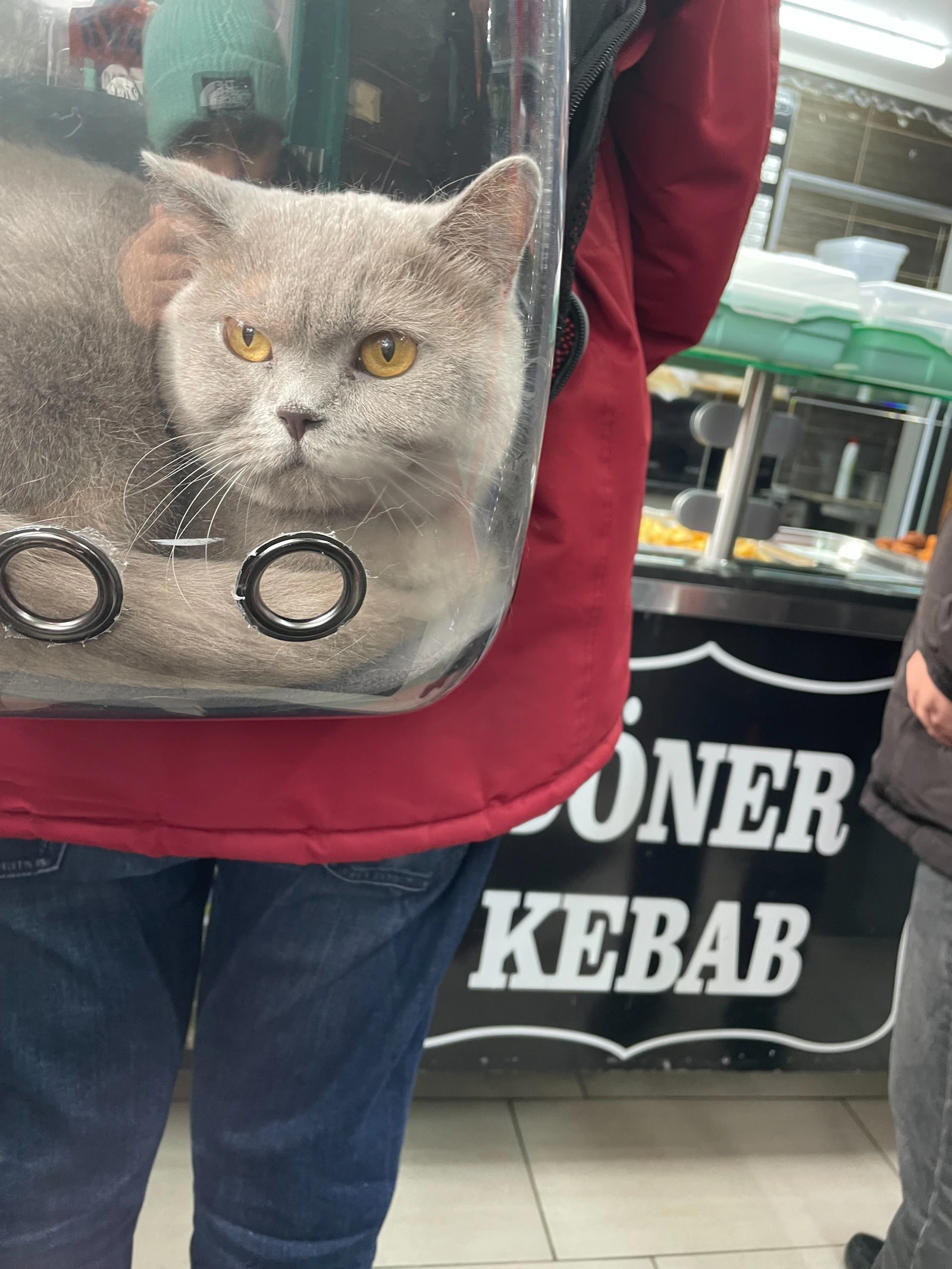
Quick answer: Travel with a cat goes best when you separate three problems and solve each one: get your cat comfortable in the carrier days or weeks ahead of time (not the morning you leave), pack a real litter setup instead of hoping for the best, and plan for motion sickness and stress before it shows up in the car. None of this requires sedating your cat as a first step — that's a last resort, not a starting point.
Key takeaways
✓Carrier training takes days for a kitten, but often several weeks for an adult cat — start well before the trip, not the morning of.
✓A foldable travel litter box solves the single biggest logistical problem in cat travel: cats need a familiar place to go, and rest-stop bathrooms aren't it.
✓Motion sickness in cats is real and often mistaken for "just being upset" — drooling, lip-licking, and vomiting are physical symptoms with physical fixes.
✓Skip the pre-trip meal, face the carrier forward, and keep the car cool — three free changes that reduce nausea before you try anything else.
✓Medication (anti-anxiety or anti-nausea) is a real option for cats who don't improve with prep alone — but it's a conversation with your vet, not a DIY step.
Cats aren't built for travel the way dogs are, and that's not a personality flaw — it's a territorial animal being asked to leave its territory. The good news is that almost everything that goes wrong on a car trip with a cat is preventable with a little lead time: a carrier your cat already trusts, a plan for where they'll actually use the bathroom, and a realistic read on whether your particular cat gets carsick. None of it requires a miracle product. It requires doing the boring parts a few days early.
Start With the Carrier, Not the Trip
If your cat only sees the carrier on vet days, it has already learned that the carrier means something bad is about to happen. That association is the single biggest driver of a stressful car ride — not the car itself.
According to a carrier-training guide published by the Texas Veterinary Medical Foundation, cats "do not learn from punishment or force" — the fix is positive reinforcement, applied well before travel day:
1
Leave the carrier out, door open, in a room your cat already likes
Add familiar bedding, a toy, or a few treats inside so the carrier becomes a place things happen, not just a box that shows up before the vet.
2
Reward calm behavior near or inside it
A treat or a few minutes of play when your cat investigates or naps in the carrier builds a genuinely positive association, according to the same guide.
3
Use a calming pheromone spray shortly before the trip
VCA Animal Hospitals recommends spraying feline facial pheromone inside the carrier as part of building that positive association ahead of time.
4
Don't rush the actual loading
VCA's guidance is blunt about this: give yourself enough time to calmly coax your cat in and buckle the carrier into the car, because cats pick up on a hurried, anxious owner and mirror it.
💡 Timeline, realistically
The Texas Veterinary Medical Foundation's guide notes that starting carrier training as a kitten produces faster results, but an adult cat may need several weeks before it genuinely trusts the carrier. If a trip is a few days away, start tonight — a rushed weekend of "carrier bootcamp" won't undo months of vet-day-only associations, but it's still better than nothing.
What to Actually Pack
Beyond food and water, three things make the biggest difference in how a cat handles a trip: a carrier they already trust (covered above), a litter setup that travels with them, and a way to keep their feeding area from becoming a mess in a car or hotel room.

Travel essential
Portable Folding Travel Pet Litter Box
$14.99
A lightweight, waterproof, foldable litter tray built for road trips, camping, and hotel stays. It folds flat for the trunk or a suitcase and wipes clean, so your cat gets a familiar bathroom spot instead of an unfamiliar box (or none at all) at every stop.
Shop Travel Litter Box — $14.99 →

Carrier
Foldable Pet Carrier Handbag
$60.99
A soft-sided carrier with mesh ventilation panels on multiple sides, made from waterproof, lightweight EVA material that folds flat for storage. The extra airflow and visibility matter for a cat riding in an unfamiliar car for hours.
Shop Foldable Carrier — $60.99 →

Supporting pick
VIKAMA Non-Slip Waterproof Feeding Mat
from $7.99
A leak-proof, non-slip mat to put under a food or water bowl at a rest stop, campsite, or hotel room floor — spills stay contained instead of soaking into carpet or a car seat.
Shop Feeding Mat — from $7.99 →
Managing Motion Sickness & Anxiety in the Car
Not every stressed cat in a carrier is just scared — some of them are genuinely carsick. According to Small Door Veterinary, motion sickness in cats comes from two overlapping sources: the inner ear's balance system being thrown off by motion, and genuine stress and anxiety, especially in cats who aren't used to riding in a car.
Signs it's motion sickness, not just fear
Small Door Veterinary lists excessive drooling, lip licking, vomiting, trembling, restlessness, panting, and excessive vocalization as common symptoms — many of which overlap with plain anxiety, which is exactly why prevention covers both at once.
🍽️
Skip the meal beforehand
Small Door Veterinary recommends withholding food before travel to reduce nausea — an empty stomach handles motion better than a full one.
↔️
Face the carrier forward
Positioning the carrier so your cat faces the direction of travel, rather than sideways, is one of the source's specific prevention tips.
❄️
Keep the car cool
A cooler cabin (air conditioning rather than a warm, stuffy car) is called out specifically as reducing nausea symptoms.
🧸
Bring something that smells like home
A towel or piece of clothing with a familiar scent inside the carrier — optionally with a calming pheromone applied to it — gives an anxious cat something recognizable in an unfamiliar space.
🚗
Practice with short, low-stakes drives
Both sources agree: a cat whose only car rides end at the vet has no reason to expect anything good from the car. Short trips to nowhere in particular — around the block, home again — build tolerance before a real trip.
⚠ When to loop in your vet
If your cat is still miserable after consistent prep, both VCA Animal Hospitals and Small Door Veterinary point to medical options — VCA specifically mentions anti-anxiety medication such as gabapentin for persistent travel anxiety, and Small Door Veterinary notes anti-nausea medication as worth discussing for genuine motion sickness. Either is a conversation with your veterinarian, not something to dose on your own.
The Litter Box Problem No One Plans For
Here's the part most cat travel advice skips entirely: cats are creatures of habit about where they go to the bathroom, and a rest stop doesn't offer them anything. A cat who's used to a clean, familiar box at home and suddenly has nowhere appropriate to go on a multi-hour drive isn't just uncomfortable — it can genuinely hold it, which adds physical stress on top of everything else about the trip.
A foldable travel litter box solves this directly: set it up at a rest stop with the trunk open, in a hotel bathroom overnight, or in the back of the car during a longer stretch of driving. It folds flat when you're not using it, so it isn't taking up cargo space the rest of the trip.
💡 Bring your cat's actual litter
A small bag of the litter your cat already uses at home matters more than the box itself — a completely unfamiliar litter texture or scent can be enough to make a stressed cat avoid the box altogether, right when you need it to work.
Day-of Travel Checklist
1
Skip the big meal, not the water
Hold food for a few hours before departure; keep water available up until you leave.
2
Load the carrier calmly, with time to spare
Don't start the loading process five minutes before you need to leave — rushed energy transfers to your cat.
3
Secure the carrier, not just the cat
Buckle the carrier itself with a seatbelt or in a footwell where it can't slide — a loose carrier under braking is a real safety issue.
4
Plan litter breaks like you'd plan fuel stops
Set up the folding litter box at a rest stop rather than waiting for a sign your cat needs it — cats often won't signal until they're already uncomfortable.
5
Give a quiet re-entry at the destination
VCA's guidance extends past the drive itself: let your cat settle in a quiet space for a few minutes after arrival before expecting them to explore or socialize.
Frequently Asked Questions
How long before a trip should I start carrier training?
As early as possible. A kitten can adjust in days; an adult cat with no positive carrier history may need several weeks of leaving it out with treats and toys before it feels trustworthy, per the Texas Veterinary Medical Foundation's carrier-training guide.
Can I just sedate my cat for a long drive?
Not as a first move. Both VCA Animal Hospitals and Small Door Veterinary frame medication (anti-anxiety or anti-nausea) as an option for cats who don't improve with carrier training and trip prep — and it's a decision to make with your vet, since dosing and drug choice depend on your specific cat.
Do I really need a litter box in the car?
For any trip longer than a couple of hours, yes. Cats don't reliably use unfamiliar bathroom setups, and a familiar, folded-flat travel litter box removes one of the biggest sources of physical discomfort on a long drive.
My cat drools and vomits in the car — is that anxiety or something else?
It can be either, and often it's both at once — Small Door Veterinary notes that stress and inner-ear motion sensitivity frequently overlap. The prevention steps for both are largely the same: skip the pre-trip meal, keep the car cool, use a forward-facing carrier, and build up tolerance with short practice drives.
Should the carrier face forward or backward in the car?
Forward-facing is the specific recommendation from Small Door Veterinary for reducing motion-sickness symptoms, since it more closely matches how the inner ear expects motion to feel.
If You Only Do Five Things
1
Start carrier training now, not the morning you leave. This one change prevents more stress than everything else on this list combined.
2
Pack a folding litter box with your cat's own litter. A familiar bathroom setup removes a real physical stressor, not just an emotional one.
3
Skip the pre-trip meal and keep the car cool. Two free changes that reduce motion sickness before you try anything else.
4
Face the carrier forward and secure it like cargo. Better for nausea, and safer if you have to brake hard.
5
Call your vet before you assume sedation is necessary. Prep solves most of this — medication is for the cats who genuinely need it, and it should be their call, not a guess.
Pack smarter for the next trip
Browse Whisker House's travel gear for cats and dogs — including the foldable litter box and carrier featured above — and new customers get 7% off automatically at checkout, no code needed.
Shop Pet Travel Accessories →
WH
Whisker House
Whisker House is an online pet supplies store trusted by 780+ reviewers at 4.8 stars, carrying dog and cat toys, treats, dental chews, feeding gear, and travel accessories.
