Cat Care · August 2026
How to Litter Train a Kitten: A Step-by-Step Guide
Most kittens learn to use a litter box on their own within days — the trick is setting up a box they'll actually want to use, then getting out of their way.
Updated: August 2026
Cat Care
7 min read
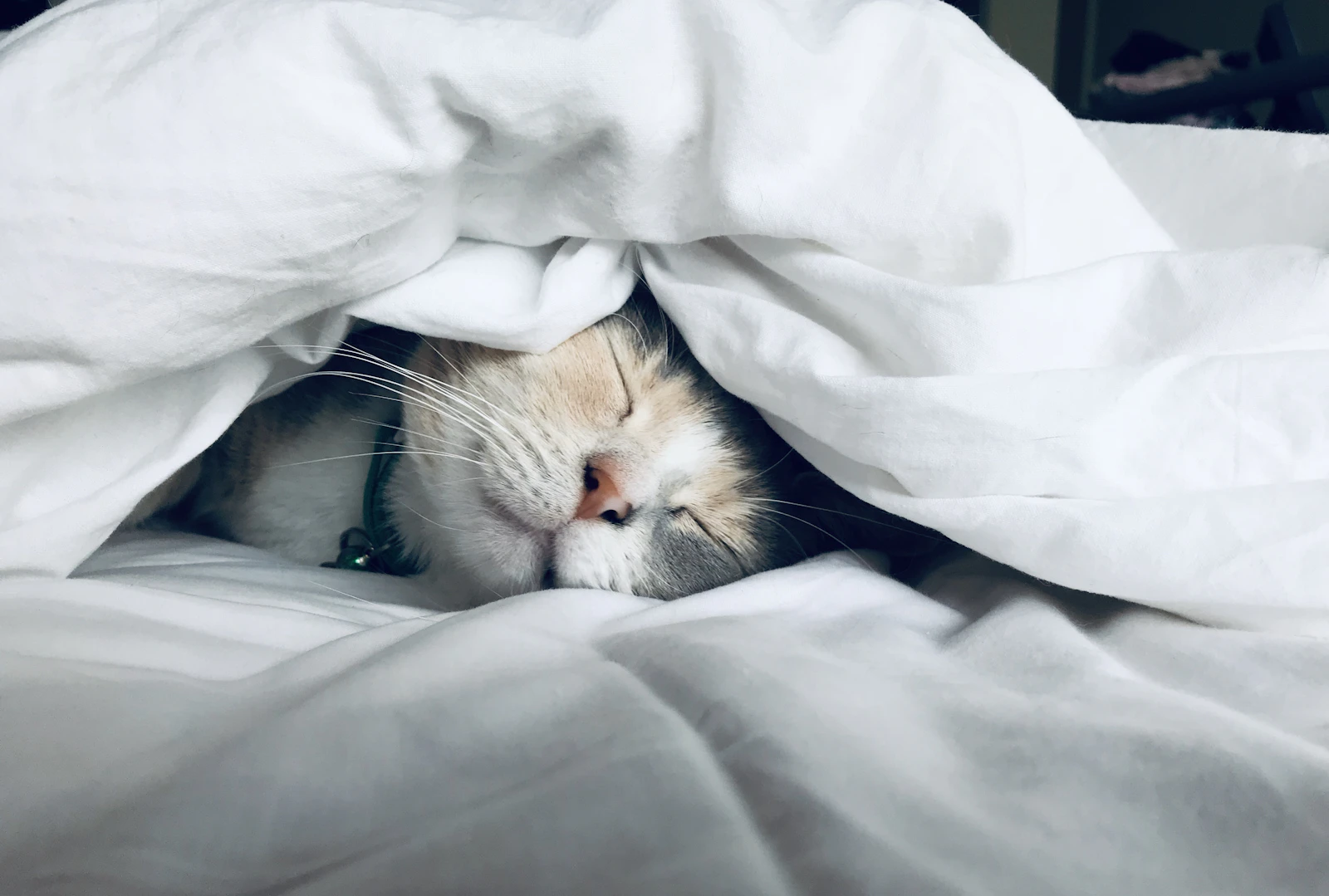
Quick answer: Start as soon as a kitten arrives home — most kittens have the instinct to dig and bury by the time they're weaned, around 4 weeks old. Give them a low-sided box, non-clumping litter if they're under 8–10 weeks old, and set them in the box after meals and naps for the first week or two. Skip punishment entirely; accidents are almost always a setup problem, not a defiance problem.
Key takeaways
✓Litter-box instinct starts around 4 weeks of age — most kittens need guidance on where the box is, not how to use it.
✓Use non-clumping litter until a kitten is 8–10 weeks old; clumping litter can be a swallowing risk before then.
✓The box should be roughly 1.5 times the kitten's body length, with at least one low, easy-to-climb-into side.
✓The real rule of thumb for multi-cat homes: one litter box per cat, plus one extra.
✓Never punish an accident — it teaches a kitten to hide when it eliminates, which makes the problem worse.
Bringing a new kitten home is exciting right up until the first missed litter box — and then it's usually just confusing. The good news: litter training a kitten is less about teaching a skill and more about removing obstacles. Digging and burying waste is instinctive behavior that shows up early, so most of what determines success is the setup you give them, not a training method you drill into them.
When to Start Litter Training
Kittens typically start showing litter-box instinct around 4 weeks old, right around when they're weaning off their mother, according to PetMD's vet-reviewed litter-training guide. If you're adopting a kitten that's already a bit older, or bringing home an adult cat that's new to your house, the same setup applies — just start the moment they arrive rather than waiting to see if they figure it out on their own.
The first few days matter most. A kitten that's still learning the layout of a new home needs the box to be easy to find and easy to get to — not tucked behind a closed door or down a flight of stairs.
Setting Up a Kitten-Friendly Litter Box
Box size matters more than most new cat owners expect. The AAHA/AAFP Feline Life Stage Guidelines recommend a box that's at least 1.5 times the length of the cat from nose to tail — most off-the-shelf boxes fall short of that, especially once a kitten grows into adulthood. For a kitten specifically, the more important spec is entry height: at least one side needs to be low enough that a small kitten can climb in without effort.
Placement matters as much as the box itself. Keep it in a quiet, low-traffic spot with an easy escape route — cats are vulnerable while eliminating and won't use a box that feels like a trap. Skip closets and tucked-away corners; a kitten that can't find the box, or feels cornered using it, will find somewhere else.
💡 A good starter box
Look for low front entry, generous interior space, and high-enough side walls to contain digging. Whisker House's
Splashproof Semi Closed Cat Toilet is built with exactly that combination — see the product card below for details.
Choosing the Right Litter for a Kitten's Age
Litter choice is where the most common (and most avoidable) mistake happens. Per PetMD's guidance, kittens under 8–10 weeks old should only use non-clumping litter — young kittens explore with their mouths, and clumping litter can pose a swallowing risk if ingested in any real quantity. Fine-grain litter tends to be preferred by most cats generally, but the clumping-versus-non-clumping distinction is the one that actually matters for a very young kitten's safety.
Once a kitten is past that early window, natural clumping litters are a reasonable, well-tolerated choice for most households — see the product picks below for two plant-based options we carry. If you want the full rundown on how clay-free, plant-based litters actually work, we've written a separate deep dive on cassava litter worth a read.
⚠ Skip scented litter for a new kitten
A strong perfume can be enough to make a kitten avoid the box entirely during the exact window you're trying to build the habit. Unscented is the safer default until the habit is solid.
The Step-by-Step Training Process
Once the box and litter are ready, the process itself is straightforward. Per PetMD, this is the routine that works for most kittens in the first one to two weeks:
1
Place the box somewhere accessible immediately
Set it up before your kitten explores the rest of the house, in a spot they'll actually walk past.
2
Set them in the box at key moments
After meals, after naps, and shortly after playtime are the times a kitten is most likely to need to go — gently place them in the box during those windows rather than waiting for an accident.
3
Let them dig on their own
Don't guide their paws or force the motion — most kittens dig and cover instinctively within a few tries once they're in the box.
4
Scoop after every use during training
A clean box is a more attractive box. Once the habit is consistent, daily scooping with a weekly full clean is enough to maintain it.
5
Repeat calmly if they don't use it right away
Some kittens take a few sessions to make the connection. Stay neutral and patient — this is normal, not a sign something's wrong.
How Many Litter Boxes You Actually Need
This is the rule most new cat owners haven't heard: the AAHA/AAFP guidelines recommend one litter box per cat, plus one additional box — so even a single kitten does best with two boxes, not one, especially in a multi-level home. Spread boxes across different locations rather than lining them up side by side; a kitten (or an adult cat later) may avoid a box it associates with a bad experience even if a second, cleaner one sits right next to it.
A budget-friendly way to cover a second location without committing to a full-size box: a lightweight, foldable option works well as a starter box on another floor, or as a travel box for the kitten's first trip to the vet.
⚠ Hold off on automatic litter boxes for now
Self-cleaning boxes are worth graduating to later, but most models use weight sensors with roughly a
3-pound minimum weight to trigger safely — a kitten under that weight can be inside the box when a cleaning cycle starts. Use a traditional shallow box during training, and wait until your kitten is well above that threshold before switching.
Handling Accidents Without Setting Training Back
Most "accidents" during training aren't really about the kitten refusing the box — they're a signal something about the setup isn't working yet. The most common causes:
📍
The box is too far away
A kitten in an unfamiliar house may not make it in time if the box is more than a room or two away.
🧹
The box is dirty
Cats are more sensitive to a soiled box than most owners expect — scoop daily, especially during training.
🌸
The litter itself is off-putting
Strong scent, an unfamiliar texture, or too little (or too much) litter depth can all be enough to redirect a kitten elsewhere.
🚪
The box feels unsafe
A covered box, a loud location near an appliance, or a spot with no easy exit can all make a kitten hesitant to commit to using it.
MythRubbing a kitten's nose in an accident teaches them not to do it again.
FactIt teaches them to associate elimination with fear — which often makes them hide when they go, making accidents harder to catch, not rarer.
MythA kitten that keeps missing the box is being stubborn.
FactRepeated misses are almost always a setup issue — box location, cleanliness, or litter type — worth troubleshooting before assuming it's behavioral.
Shop This Post
Real, in-stock picks from the Whisker House catalog that pair with the setup above.

Starter box
Splashproof Semi Closed Cat Toilet
From $19.99 · 69 in stock
High side walls to contain digging, with a low front entry built for easy access — the product's own listing calls out kittens by name as a fit, alongside senior and mobility-limited cats.
Shop Splashproof Cat Toilet — From $19.99 →

Second box
Portable Folding Travel Pet Litter Box
From $14.99 · 192 in stock
A lightweight, waterproof, foldable box — an easy, budget-friendly way to add the second box the AAHA n+1 rule calls for on another floor, or to bring along for your kitten's first vet visit.
Shop Travel Litter Box — From $14.99 →

Litter — for kittens past 8–10 weeks
SoyKitty Unscented Plant-Based Cat Litter
$38.00 · 558 in stock
Made from food-grade plant byproducts rather than clay or silica — unscented, quick-clumping, and one 4.2kg bag runs about a month for one cat. A gentler option once your kitten is old enough for clumping litter.
Shop SoyKitty Litter — $38.00 →

Litter — for kittens past 8–10 weeks
PurrFriendlyLitter Cassava & Corn Cat Litter
$21.99 · 999 in stock
Clay-free, unscented, natural clumping litter made from cassava and corn starch. If you're switching a kitten from a different litter, the maker's own guidance is to blend gradually — about a quarter new litter to old, increasing over a week or two — rather than swapping it all at once.
Shop Cassava Litter — $21.99 →
Frequently Asked Questions
At what age should I start litter training a kitten?
Right away. Litter-box instinct typically shows up around 4 weeks of age, so if a kitten is home with you, it's old enough to start — just make sure the box is easy to reach and low enough for them to climb into.
Is clumping litter safe for kittens?
Not for very young kittens. Vet guidance recommends non-clumping litter until a kitten is 8–10 weeks old, since young kittens explore with their mouths and clumping litter can be a swallowing risk. Switch to clumping once they're past that window if you prefer it.
How many litter boxes do I need for one kitten?
Two, ideally — the standard veterinary rule of thumb is one box per cat plus one extra, even for a single-cat household. Place them in different locations rather than side by side.
My kitten keeps having accidents outside the box. What should I do?
Rule out setup issues first: is the box far away, dirty, scented, or hard to enter? Most accidents during training trace back to one of those rather than defiance. Never punish an accident — clean it thoroughly and adjust the setup instead.
Can I use an automatic self-cleaning litter box for a kitten?
Not right away. Most automatic boxes use weight sensors with a minimum around 3 pounds to trigger safely, so an underweight kitten risks being caught inside during a cleaning cycle. Use a traditional box during training and switch once your kitten is reliably above that threshold.
The Short Version
1
Set up the box before the kitten arrives. A low-entry box in an accessible, quiet spot beats a "wait and see" approach every time.
2
Match the litter to the kitten's age. Non-clumping under 8–10 weeks, natural clumping once they're older.
3
Provide two boxes, not one. One per cat plus one extra is the real rule, even for a single kitten.
4
Scoop daily during training. A clean box is the single easiest thing you can do to keep the habit sticking.
5
Treat accidents as information, not defiance. Troubleshoot the setup — location, cleanliness, litter type — rather than reacting to the kitten.
Ready to set up the right box?
Browse the full Whisker House cat litter and litter box lineup — boxes, natural litters, and mats, all in one place. New customers get 7% off automatically at checkout, no code needed.
Shop Cat Litter & Boxes →
WH
Whisker House
An online pet supply store carrying curated, hand-picked brands for dogs and cats — dental chews, enrichment toys, feeding gear, and cat litter and litter-box essentials among them.
