Cat Care · August 2026
Kitten Teething 101: What to Give Them to Chew (and What to Avoid)
The real timeline, the signs you'll actually notice, and which chews help sore gums without risking a cracked tooth.
Updated: August 29, 2026
Cat Care
8 min read
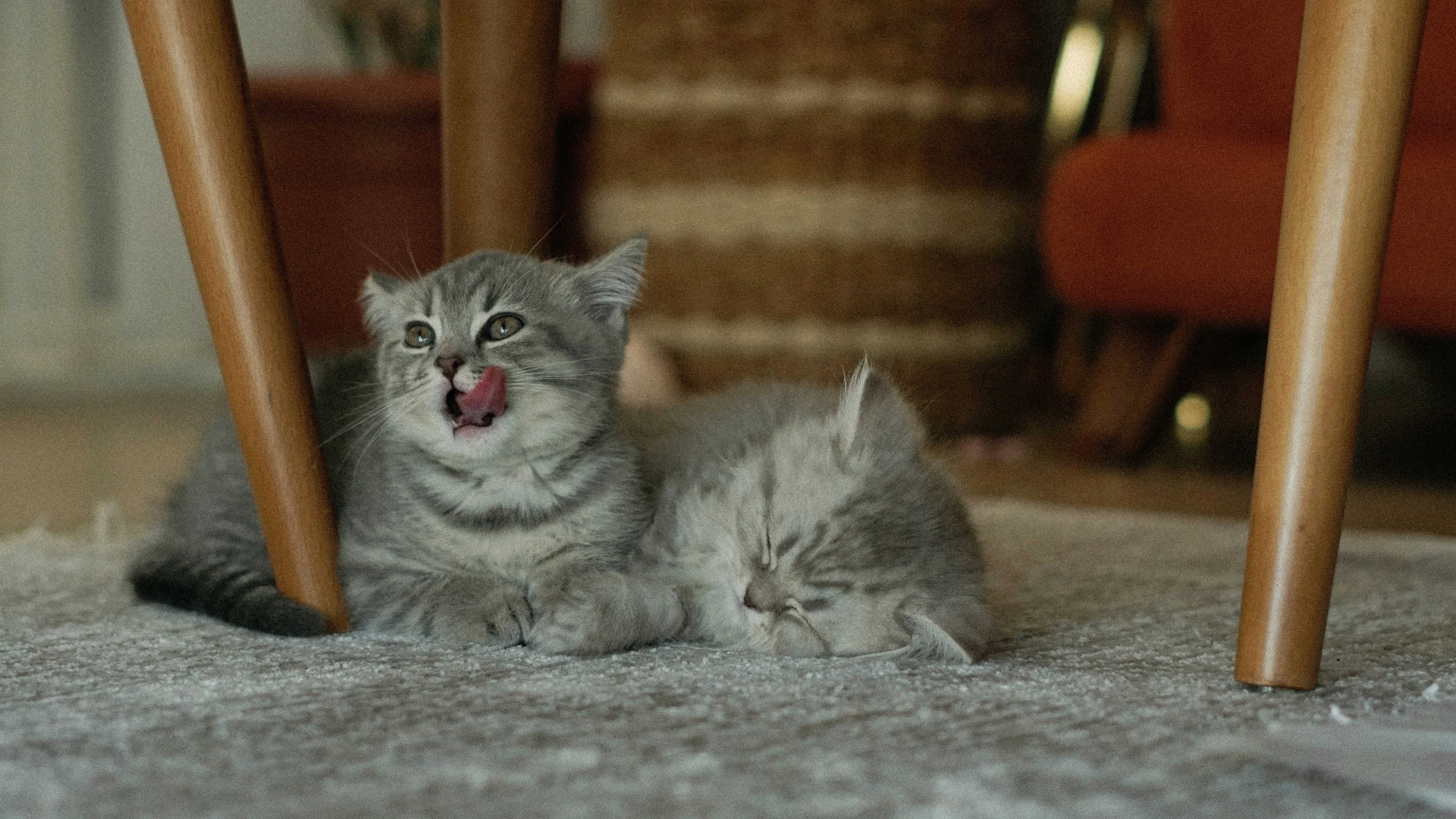
Quick answer: Kitten teething runs from roughly 2 weeks old, when the first baby teeth erupt, through about 6–7 months, when the adult set of 30 teeth is complete. The most active, uncomfortable stretch is usually 3–6 months, when baby teeth are falling out and adult teeth are pushing in. Offer medium-firm chew toys (not hard plastic or bone), skip anything with loose strings or small detachable parts, and call your vet if a baby tooth doesn't fall out on its own or your kitten stops eating.
Key takeaways
✓Baby teeth start erupting around 2–4 weeks; the full adult set of 30 teeth is usually in by 6–7 months.
✓Drooling, pawing at the face, and dropping food are normal teething signs, not something to worry about on their own.
✓Avoid anything too hard (it can damage developing teeth) or with strings and small parts (choking, blockage risk).
✓A retained baby tooth that hasn't fallen out once the adult tooth is in needs a vet, not a wait-and-see approach.
✓A kitten that stops eating or loses weight during teething should see a vet — that's not typical teething behavior.
A kitten mouthing everything in sight — your fingers, a shoelace, the corner of the couch — is usually just teething, not a behavior problem. The catch is that "give them something to chew on" isn't quite enough advice on its own: some popular chew toys are genuinely too hard for a developing kitten's teeth, and some soft ones carry a choking risk. Here's the actual timeline, what helps, and what's worth skipping.
The Kitten Teething Timeline
Per PetMD's vet-reviewed teething guide, kitten teeth come in — and go out — on a fairly predictable schedule:
| Age |
What's happening |
| 2–4 weeks |
Baby incisors (the small front teeth) erupt |
| 3–4 weeks |
Baby canines (the pointed teeth) appear |
| 4–6 weeks |
Baby premolars come in |
| 8 weeks |
All 26 baby teeth are typically in place |
| 3½–4 months |
Baby incisors fall out and are replaced by adult incisors |
| 4–5 months |
Baby canines and premolars shed; adult versions erupt |
| 5–7 months |
Full set of 30 adult teeth typically complete by around 6 months |
The 3–6 month stretch is usually when chewing urges peak, since that's when the most teeth are being pushed out and replaced at once.
Signs Your Kitten Is Teething
These are all normal, per PetMD's guidance, and don't need special treatment on their own:
🐾
Pawing or rubbing at the face
A response to sore gums — expect a bit more crankiness than usual during active teething weeks.
💧
Drooling
More noticeable during the heaviest tooth-replacement stretch, roughly 3–6 months.
🍽️
Dropping food or reluctance to eat hard kibble
Sore gums can make crunching uncomfortable for a few days at a time — softening food briefly is fine.
😮
Distinctive "kitten breath"
A temporary odor tied to tooth eruption and shedding — it resolves once the adult teeth settle in.
🦷
A strong urge to chew on soft objects
Fingers, cords, and fabric corners all become fair game — give them a better option before they pick their own.
Safe Chews That Actually Help
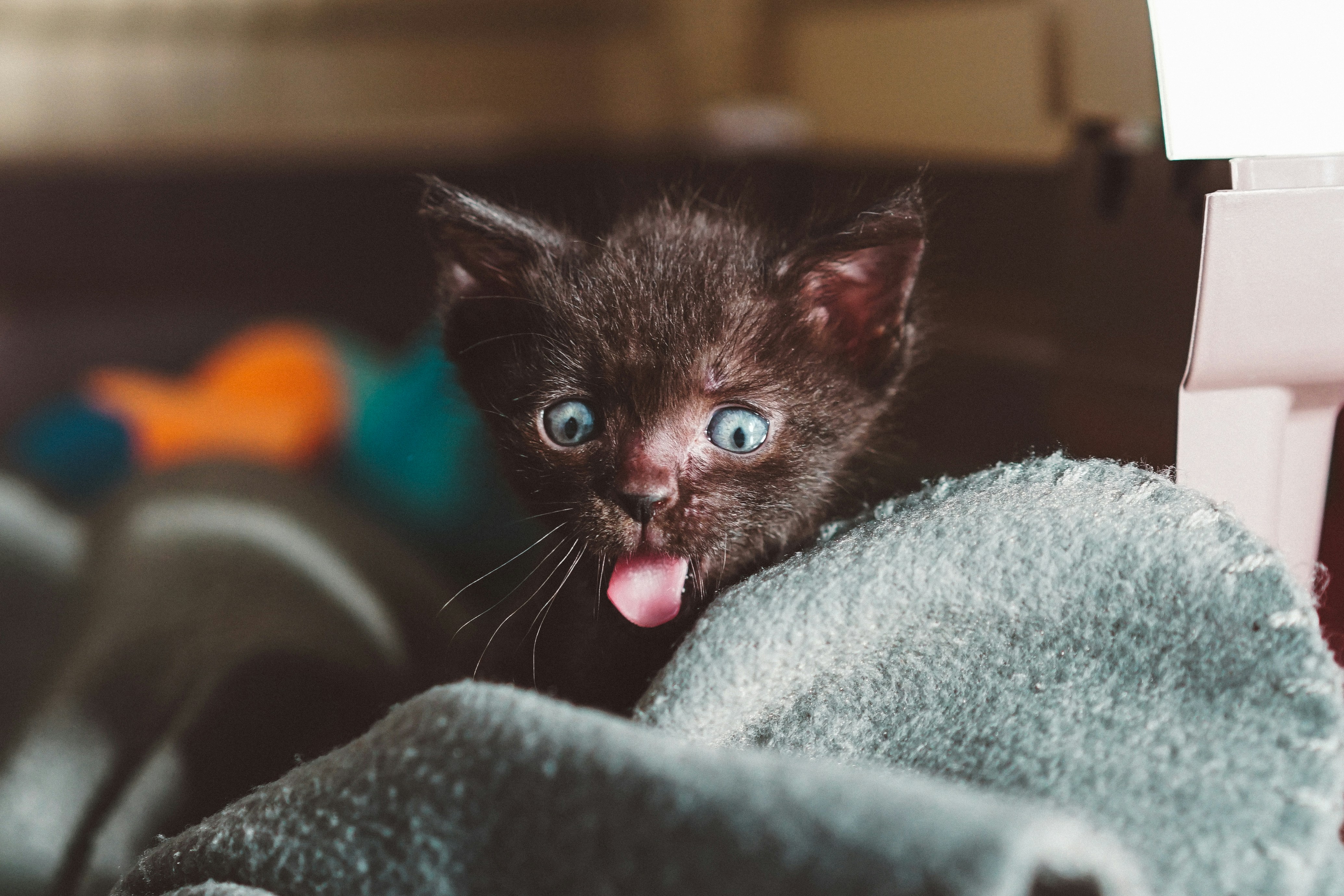 Redirecting the chewing instinct toward an appropriate toy works far better than trying to stop it outright.
Per veterinary technician Jenna Stregowski's guidance, via Daily Paws, the best teething toys have a medium-firm texture — enough to feel good against sore gums without being hard enough to damage a developing tooth — plus a small, kitten-friendly size and bumpy or textured edges that help massage the gumline.
💡 The frozen washcloth trick
Per PetMD, a clean, damp washcloth twisted into a rope and frozen for about 20–30 minutes makes a genuinely effective, free teething toy — the cold helps numb sore gums the same way it does for human babies.

Teething toy
Cat Carrot Toy — Hemp Rope Chew & Teething Toy
From $5.14
A soft hemp-rope chew shaped for small kitten mouths — built specifically as a chew and teething toy rather than a hard plastic toy repurposed for the job.
Shop Cat Carrot Toy — From $5.14 →

Gum relief
SodaPup Lick Mats for Cats & Small Dogs
From $11.95
A textured silicone mat that works well with the frozen-washcloth idea above — smear a thin layer of wet food or broth, freeze it, and it becomes a soothing, food-grade gum-relief option.
Shop SodaPup Lick Mat — From $11.95 →
What to Avoid
⚠ Skip toys that are too hard, stringy, or easily torn
Per the same Daily Paws guidance, hard plastic or bone-style chews can damage teeth that are still developing, and anything with loose strings, ribbon, or small detachable parts is a real choking and blockage risk — a kitten's small mouth and curious chewing habits make this more relevant than it would be for an adult cat.
🚫
Very hard plastic or bone-style chews
Too tough for developing teeth — save these for later, if at all.
🧵
Yarn, ribbon, or loose string
A swallowing and intestinal-blockage risk, not just a mess — keep string-based toys for supervised play only.
🔩
Anything with small, detachable parts
Buttons, bells, or glued-on decorations can come off during a determined chewing session.
✋
Your own hands and fingers
Per Catster's guidance, letting a teething kitten mouth on you (even gently) tends to become a habit that outlasts the teething phase — redirect to a toy instead, every time.
Protecting Furniture While They Chew and Scratch
Teething often overlaps with a kitten's early scratching habits, and a determined kitten mouth or paw doesn't always distinguish between a toy and a couch corner. A trimmable adhesive guard on vulnerable furniture edges buys you time while their own chew toys become the more interesting option.

Furniture protection
Self-Adhesive Cat Scratch Guard Mat
From $4.99
Trimmable to fit couch corners, chair legs, and doorframes — a low-cost buffer for the months while your kitten is still figuring out where chewing and scratching are actually welcome.
Shop Scratch Guard Mat — From $4.99 →
Retained Baby Teeth & Vet Visits
Most baby teeth fall out on their own to make room for the adult tooth pushing up underneath. Sometimes they don't. Per Catster's vet-reviewed guide, some kittens retain baby teeth even after the adult tooth has erupted — and a vet needs to remove the retained tooth so the adult one can come in normally. Left alone, a retained tooth can cause crowding or infection.
Per PetMD, kittens typically see a vet every 3–4 weeks starting around 6–8 weeks old through about 16–18 weeks — tooth development is one of the things checked at those routine visits, so most retained-tooth issues get caught without any extra appointments.
⚠ When to call sooner
Per Catster, a kitten that stops eating or loses weight during the teething months should see a vet — that's not typical teething behavior, and a loss of appetite can point to something else going on.
Common Teething Myths
MythAny chew toy is fine as long as it's kitten-sized.
FactSize matters, but so does firmness — a too-hard toy can damage developing teeth regardless of how small it is.
MythLetting a kitten gently mouth your fingers is harmless.
FactIt tends to become a lasting habit — redirecting to a toy every time works out better for both of you long-term.
MythA missing baby tooth always means it fell out normally.
FactSometimes a tooth is retained rather than lost — it's worth a vet checking, not just assuming it worked itself out.
Frequently Asked Questions
At what age do kittens start teething?
Baby incisors start erupting around 2–4 weeks old, with the full set of 26 baby teeth typically in place by 8 weeks. The more noticeable "teething" phase — losing baby teeth for adult ones — mostly happens between 3 and 6 months.
Is drooling during teething normal?
Yes, mild drooling is a common teething sign, especially during the 3–6 month stretch when the most teeth are being replaced. Persistent heavy drooling paired with not eating is worth a vet call.
What toys should I avoid for a teething kitten?
Very hard plastic or bone-style chews (they can damage developing teeth), and anything with loose string, ribbon, or small detachable parts (a choking and blockage risk). Medium-firm, kitten-sized toys are the safer choice.
What if my kitten's baby tooth won't fall out?
That's called a retained baby tooth, and it needs a vet to remove it so the adult tooth can come in properly — it won't reliably resolve on its own and can lead to crowding or infection if left alone.
Should I be worried if my kitten isn't eating well during teething?
A brief dip in appetite or preference for softer food is normal. A kitten that stops eating altogether or loses weight should see a vet — that goes beyond typical teething discomfort.
If You Only Do Five Things
1
Offer medium-firm chew toys, not hard plastic or bone-style ones, from around 3 months old.
2
Try a frozen washcloth or a frozen lick mat for extra gum relief during the heaviest teething weeks.
3
Skip anything with loose string or small parts — the choking risk isn't worth it.
4
Redirect finger-mouthing to a toy every time, rather than letting it become a habit.
5
Flag any retained baby tooth or appetite loss to your vet at the next scheduled visit, or sooner if it seems serious.
Give them something better to chew on
Shop kitten-safe chew toys and enrichment gear — and new visitors get 7% off automatically, no code needed.
Shop Cat Enrichment & Toys →
WH
Whisker House
A small, curated online pet-supply shop carrying dog and cat toys, treats, dental chews, feeding gear, and raw-diet food from independent and specialty brands. Learn more at whiskerhouse.store.
