
Pet Emergency Kit: What to Actually Pack for Your Dog or Cat
Pet Emergency Kit: What to Actually Pack for Your Dog or Cat
September is National Preparedness Month. Here's the real, AVMA- and Red Cross-backed checklist for a kit that works when you don't have time to think it through.
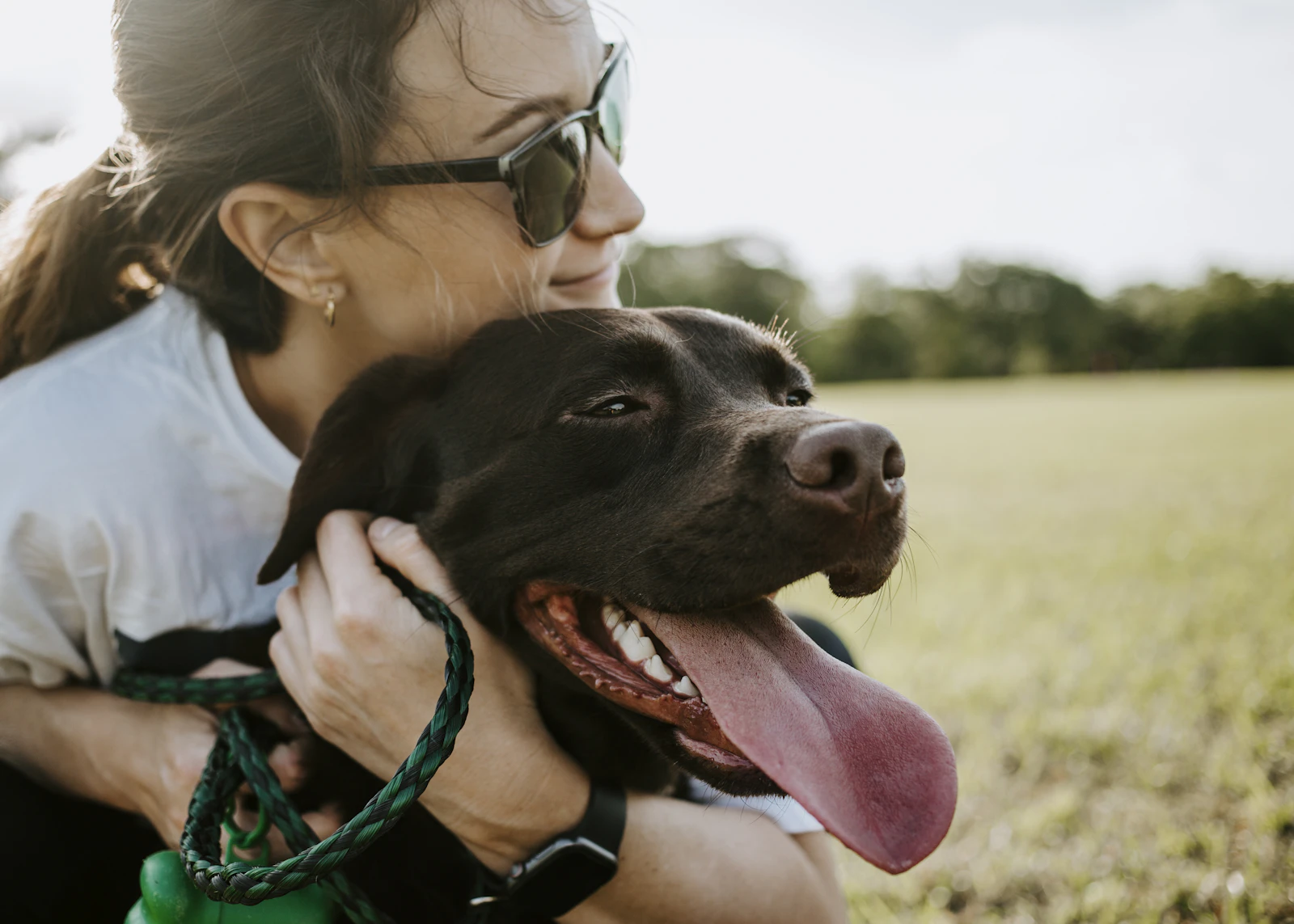
Most pet owners think about emergency preparedness the week a wildfire, hurricane, or evacuation notice is already on the news — which is exactly the moment there's no time left to do it well. The Federal Emergency Management Agency designates September as National Preparedness Month, and the actual guidance from veterinary and disaster-relief organizations is more specific than "have some supplies ready." A real pet emergency kit covers six categories, most of it fits in a bag you already own, and none of it takes more than an afternoon to put together.
Quick answer: A real pet emergency kit covers six things: 3-7 days of food and at least 7 days of water, a 2-week supply of any medication, first-aid basics, copies of ID and medical records, a leash, harness or carrier plus comfort items, and sanitation supplies — all packed together in one grab-and-go container, checked every few months so nothing's expired when you actually need it.
Why This Is the Month to Actually Do It
FEMA's 2026 National Preparedness Month theme is "Americans Stand Ready" — a push to get households, including the pets in them, ready before an emergency rather than during one. Pets are consistently the piece left out of family emergency plans, not because owners don't care, but because the plan usually stops at "grab the go-bag and the kids" and assumes the dog or cat will just come along.
The American Red Cross puts the underlying logic plainly: "If it's not safe for you to stay in your home during an emergency, it's not safe for them either." A panicked cat that won't come out from under the bed, or a dog that's never worn a leash outside your own yard, turns a five-minute departure into a twenty-minute one. Building the kit — and running your pet through it once, calmly, before you ever need it under stress — is what actually closes that gap.
What Actually Goes Into the Kit
The American Veterinary Medical Association organizes a pet emergency kit into six categories, packed in a single waterproof, portable container. Here's what belongs in each, with real product options where they help.
Food, water & medicine
3-7 days of your pet's regular food, a manual can opener if any of it is canned, and at least 7 days of water. Add a 2-week supply of any medication your pet takes regularly, plus a written note of dosages and timing — something a neighbor or pet sitter could follow without calling you. Shelf-stable, no-prep formats are worth having on hand specifically for this: Spoiled Pets' freeze-dried raw cat food needs no refrigeration and rehydrates in minutes, and Montana Dog Food Co's freeze-dried trail snacks or a West Paw food topper can stretch a dwindling bag of kibble if you're away from home longer than planned.
First aid & medical basics
AVMA's list is specific and worth following closely: antibiotic ointment, bandages, cotton rolls, flea and tick prevention, alcohol pads, disposable gloves, saline solution, and tweezers. Pack a copy of your pet's vaccination records and any ongoing medical conditions in a waterproof sleeve — a vet or a shelter may ask for it, and it's one more thing you don't want to be searching for from memory.
ID & documents
Proof of ownership matters more than most owners expect. The Red Cross specifically recommends keeping a current photo of you together with your pet — it's what helps prove the pet is yours if you're separated during an evacuation and reunited later through a shelter or rescue group. Pair that with up-to-date microchip registration and a legible ID tag; a chip is only useful if the contact information behind it is current. A collar with AirTag capability is a useful second layer on top of a microchip, not a replacement for one — a chip survives a lost collar; a location tracker doesn't survive a missing phone signal.
Travel & comfort
A labeled carrier, a collar or harness with ID tags attached, a leash, a flashlight with spare batteries, and — per AVMA — a muzzle, even for a dog that's never needed one, since pain and stress can change normally gentle behavior. For dogs that pull hard or panic on-leash, a secure option like the Bestia Dog Sport GripPro harness gives you real control in a moment where a collar alone might not. Add a favorite toy, a few treats, and familiar bedding — comfort items reduce a stressed pet's resistance to getting into the car or carrier in the first place. A dedicated bag like Rubyloo's Original Doggy Bag keeps all of this organized and genuinely grab-and-go, rather than scattered across three drawers.
Sanitation
A litter box and extra litter for cats, waste bags for dogs, newspaper, paper towels, and a small bottle of disinfectant. It's the least dramatic category and the one owners skip first — and the one you'll want most if you're sheltering in place or in a car for more than a few hours. Compostable waste bags pack small and don't need rotating the way food does.
Dogs vs. Cats: What's Different
The six categories above apply to both, but the item that actually gets used first differs. For a cat, it's the carrier — not the food, not the first-aid kit. A cat that's never been in a carrier before will fight getting into one exactly when you need it to happen fast. The Red Cross recommends practicing with it ahead of time: a few short, low-stress carrier sessions at home, unconnected to any actual emergency, so it's a familiar object rather than a signal that something bad is happening.
For a dog, it's the leash and harness. A dog that only ever walks in a fenced yard hasn't practiced staying close and controllable around sirens, crowds, or unfamiliar dogs — all of which show up in an actual evacuation. That's the specific gap a heavier-duty, no-pull harness closes better than a standard collar.
Litter and a litter pan are cat-specific additions to the sanitation category; a muzzle is more often a dog-specific addition to travel supplies, though AVMA's guidance doesn't rule it out for a stressed or injured cat either.
Where to Keep It, and How Often to Check It
Keep the finished kit somewhere genuinely grab-and-go — a front closet, a mudroom shelf, or right by the door you'd actually leave through. A kit in the basement or attic defeats its own purpose if reaching it costs you five extra minutes.
AVMA also recommends the planning side of this, not just the supplies: pre-arrange an evacuation destination outside the immediate disaster area, and designate a trusted neighbor or friend who can get to your pet if you're not home when an emergency happens.
Mistakes That Make a Kit Useless
Shop This Post
Real, catalog-checked picks that cover the travel, control, calm, and shelf-stable-food parts of the kit above.


FAQ
If You Only Do Five Things
Whisker House carries carriers, harnesses, and travel-ready gear for exactly this kind of prep, all in one place — and new visitors get 7% off automatically, no code needed.
Shop Pet Travel Accessories →