
Plastic vs Stainless Steel Cat Litter Box: Which Is Easier to Clean? | Whisker House
Plastic vs Stainless Steel Cat Litter Box: Which One Is Actually Easier to Clean?
The honest comparison most pet stores won't give you — including why more cat owners are making the switch in 2026, and which box is right for your cat.
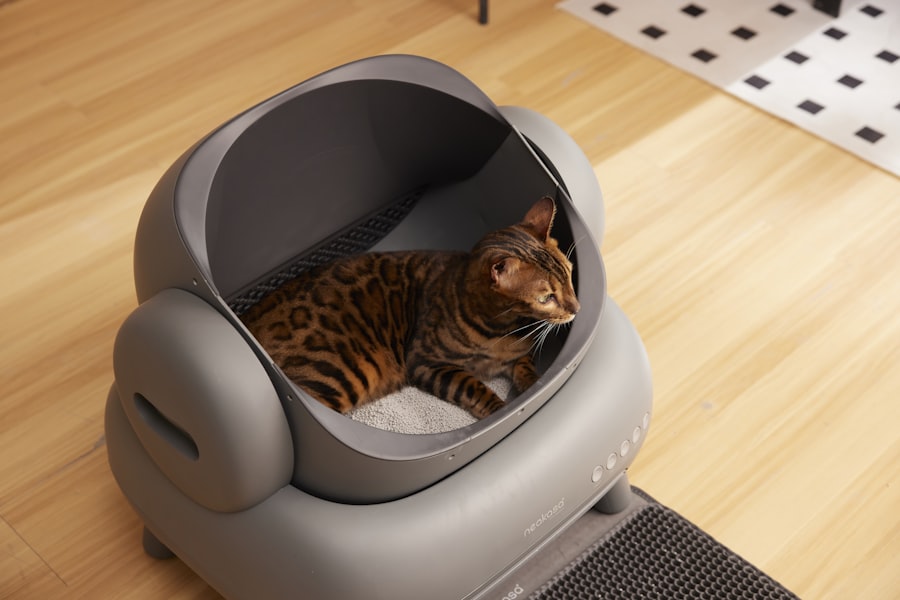
Quick answer: Plastic litter boxes are porous — microscopic scratches from claws and scooping accumulate bacteria, urine, and odor that no amount of cleaning fully removes over time. Stainless steel is non-porous and does not absorb odors, bacteria, or stains. A stainless steel litter box cleaned weekly will smell better after two years than a plastic one cleaned daily after two months. If odor control and hygiene are your priority, stainless steel wins on every measurable metric.
If your cat's litter box smells — even right after you clean it — the problem is almost certainly not your cleaning routine. It is the litter box itself. Specifically, it is the material the box is made from and what has accumulated inside it over weeks and months of use that no surface-level cleaning can reach.
This guide gives you the honest comparison between plastic and stainless steel litter boxes that most pet product sites skip: the material science, the odor biology, the real cost over time, and which option is genuinely better for your cat's hygiene and your household air quality.
Why your litter box material matters more than you think
Most cat owners choose a litter box based on size, shape, and price — and almost never based on material. This is understandable, because the material difference between plastic and stainless steel is invisible to the eye and only becomes apparent over months of use. But it is arguably the most important variable in litter box hygiene, and it directly affects whether your cat will consistently use the box or start avoiding it.
Cats have a sense of smell estimated at 14 times more sensitive than humans. A litter box that smells acceptable to you — perhaps slightly but not strongly — may smell overwhelmingly foul to your cat. Cats that begin eliminating outside the litter box, or that seem reluctant to enter it, are frequently responding to accumulated odor in the box material rather than the litter itself. Switching litter brands in a porous plastic box rarely resolves the issue because the problem is in the box, not the litter.
The problem with plastic litter boxes
Plastic is the default material for cat litter boxes because it is cheap to manufacture, lightweight, and available in every color and shape imaginable. These are legitimate practical advantages — particularly for the initial purchase. The problems only become apparent over time, and they are structural rather than cosmetic.
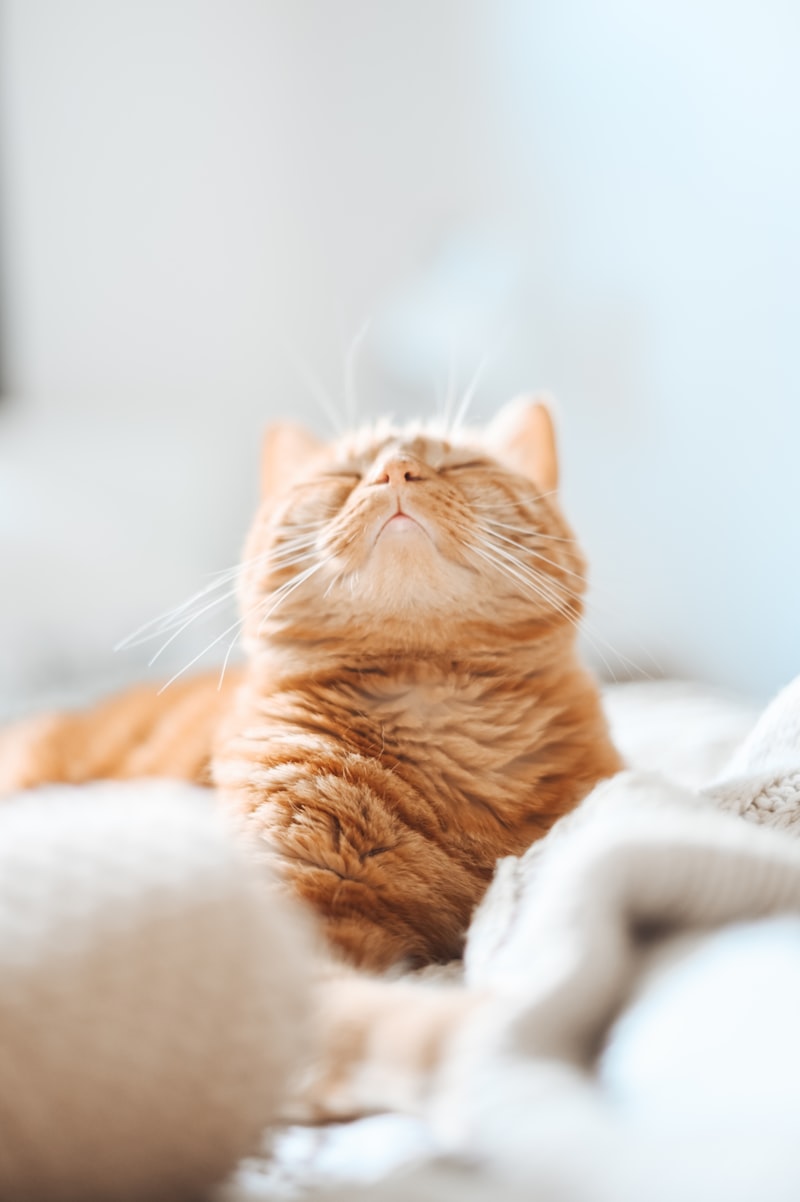 Cats have a sense of smell 14 times more sensitive than humans — a plastic box that smells "okay" to you can be overwhelming to your cat.
Porosity — the core problem
All plastics used in litter box manufacturing are porous at a microscopic level. This means the surface, while appearing smooth, contains millions of tiny holes that absorb liquid, bacteria, and organic compounds. Every time your cat urinates in the box, a small amount of liquid and the bacteria it carries penetrates the plastic surface. Every scoop creates microscopic scratches that open additional pathways for absorption. Over weeks and months, the plastic becomes saturated with ammonia compounds, bacteria, and odor molecules that no cleaning agent can fully reach or neutralize.
Scratch accumulation accelerates the problem
Every cat that digs in a plastic litter box scratches the interior surface. Every scoop you use adds more scratches. These scratches are not just cosmetic — they dramatically increase the surface area available for bacterial absorption and create grooves where waste can accumulate and where cleaning tools cannot reach. A litter box that has been in use for six months has a significantly larger effective surface area than a new one, which is why odor problems typically worsen noticeably around the six-month mark even with consistent cleaning.
The replacement cycle cost
Because plastic litter boxes become increasingly hygienically compromised over time, most veterinarians and feline behaviorists recommend replacing them every one to two years. A standard plastic litter box costs $15 to $40. Over a cat's 15-year lifespan, you will buy 7 to 15 plastic boxes — spending $105 to $600 on a material that degrades in performance and contributes to ongoing odor problems. A single stainless steel box, costing $63.99, lasts indefinitely.
Why stainless steel solves what plastic cannot
Stainless steel is non-porous. This is not a marketing claim — it is a material property verified by food safety authorities worldwide, which is why the same material is used for surgical instruments, commercial kitchen equipment, and food processing facilities. The surface of stainless steel does not absorb liquids, bacteria, or odor compounds at any meaningful level regardless of how long it is in use.
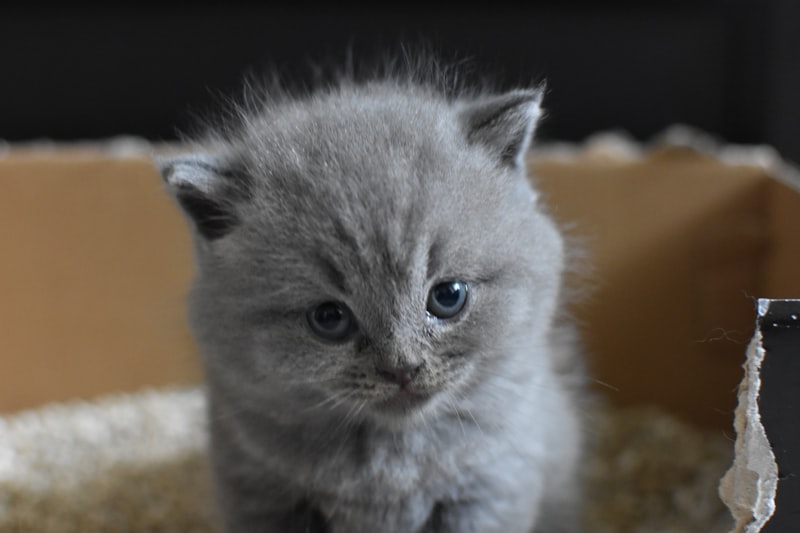 Long-haired breeds like Persians are especially sensitive to litter box hygiene — stainless steel's non-porous surface keeps their environment consistently clean.
Non-porous means genuinely clean
When you clean a stainless steel litter box, you are cleaning the actual surface — not just the top layer of an increasingly saturated porous material. Warm water and mild soap remove waste from stainless steel completely, leaving no residue behind. The same cleaning applied to plastic removes surface waste but leaves absorbed bacteria and odor compounds untouched. This is the fundamental difference: plastic gets cleaner, stainless steel gets clean.
No scratching means no absorption pathway
Stainless steel is significantly harder than any plastic used in litter boxes. Cat claws and litter scoops do not scratch it meaningfully. Without scratches, there are no additional pathways for bacterial absorption. The surface integrity of a stainless steel litter box after five years of use is essentially identical to its integrity on day one.
Indefinite lifespan means long-term value
A quality stainless steel litter box does not degrade, warp, stain, or become hygienically compromised with age. The initial cost is higher than plastic, but the total cost over a cat's lifetime is lower — and the hygiene performance does not decline over time the way plastic inevitably does.
Side-by-side comparison
Here is the honest, complete comparison across every variable that matters for a litter box purchase:
| Category | 🔴 Plastic | 🔵 Stainless Steel |
|---|---|---|
| Porosity | Porous — absorbs urine, bacteria, and odor over time | Non-porous — nothing absorbs into the surface |
| Odor retention | Worsens over months — absorbed odor cannot be removed | None — odor wipes away completely with each clean |
| Scratch resistance | Scratches easily from claws and scooping — accelerates bacterial absorption | Highly scratch-resistant — surface stays intact indefinitely |
| Ease of cleaning | Surface-level clean only — absorbed bacteria remain | Genuinely clean — soap and water removes everything |
| Lifespan | 1 to 2 years before hygiene significantly degrades | Indefinite — does not degrade with age |
| Initial cost | $15 to $40 | $63.99 to $75.99 (KEMORELA at Whisker House) |
| Lifetime cost (15yr cat) | $105 to $600 (7 to 15 replacements) | $63.99 to $75.99 (one purchase) |
| Bacteria resistance | Low — bacteria embeds in porous surface | High — bacteria cannot penetrate surface |
| Staining | Stains over time — becomes increasingly discolored | Does not stain — appearance stays consistent |
| Weight | Lightweight | Heavier but still manageable |
| Verdict | Better for initial cost only | Better for hygiene, odor, value, and lifespan |
The science of litter box odor
Cat urine contains urea, creatinine, uric acid, and a range of bacterial metabolites. When urea breaks down — a process that begins within hours of urination — it converts to ammonia, the primary source of that sharp, eye-watering smell associated with cat boxes. Uric acid is particularly problematic: it is not water-soluble, meaning it does not dissolve in water and cannot be washed away. It bonds to surfaces and recrystallizes when dry, which is why a litter box can smell fine when wet and develop an odor again as it dries.
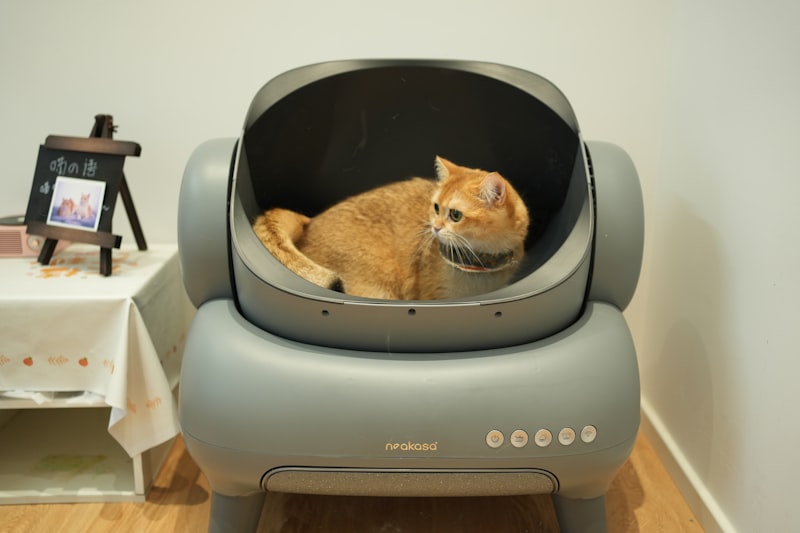 A consistently clean, odor-free litter box is one of the most direct contributions you can make to your cat's daily comfort and health.
In a porous plastic box, uric acid crystals bond to the plastic surface itself and to the bacteria embedded within the porous material. This is why enzyme-based cleaners — which chemically break down uric acid — are more effective than standard cleaners on plastic boxes, but still cannot reach the uric acid that has penetrated beneath the surface layer.
In a stainless steel box, uric acid cannot bond to the surface or penetrate it. It sits on top with the rest of the waste and is removed completely when the box is cleaned. This is the core material-science reason why stainless steel eliminates the persistent low-level odor that plastic boxes develop — it is not that the steel is magic, it is that there is simply nowhere for the odor compounds to hide.
The role of bacteria
Cat waste carries significant bacterial load including Staphylococcus, E. coli, and other species. In a porous plastic box, bacteria embed in the surface material and continue metabolizing organic compounds even after cleaning — producing odor continuously. In stainless steel, bacteria are removed with each cleaning and cannot re-establish in the surface. This is the same reason hospitals do not use plastic bowls for wound care and why food-grade standards mandate stainless steel for direct food contact.
High-sided design and odor containment
Regardless of material, a litter box with high sides contains odor more effectively than an open-top design, because it reduces the surface area from which odor can evaporate into the room. The KEMORELA Stainless Steel Litter Box at Whisker House is an enclosed, high-sided design — combining the non-porous surface benefits of steel with the odor-containment benefits of an enclosed box. The combination is more effective than either feature alone.
Litter box options at Whisker House
Every option below is in stock and ships across the United States. Chosen to cover different budgets, needs, and preferences:
Myths vs. facts about litter boxes
Frequently asked questions
Final recommendations
The material you choose for your cat's litter box determines the hygiene ceiling your cleaning routine can actually reach. Here is the priority order for making the right decision:
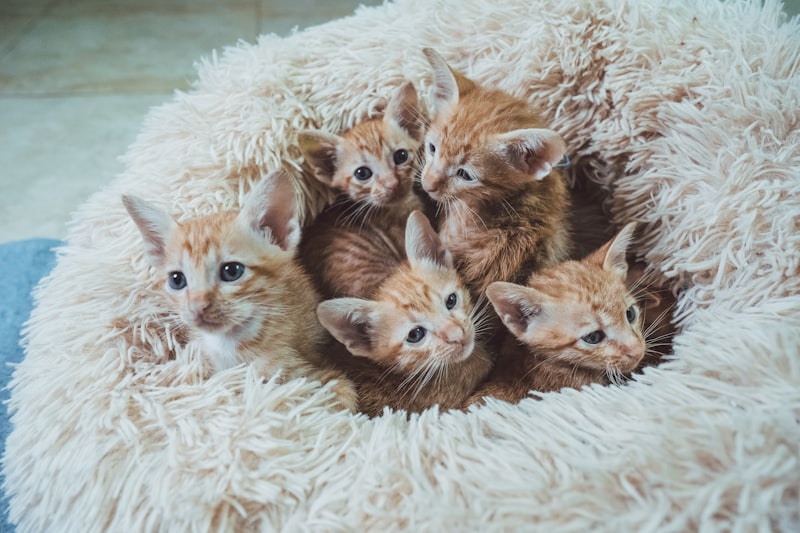 Starting kittens in a hygienic, non-porous litter environment from the beginning sets the foundation for a lifetime of consistent litter box behavior.
The KEMORELA Stainless Steel Litter Box, DOEL Self-Cleaning Box, Calitti Cat Litter, and Foldable Travel Box are all in stock at Whisker House. Ships across the United States.
Shop cat litter solutions at Whisker House →