Puppy Care · August 2026
Puppy Enrichment 101: Why Puzzle Toys Matter
A bored puppy isn't just a nuisance — chewed baseboards, 3 a.m. zoomies, and shredded shoes are usually a sign your dog's mind needs as much exercise as their legs. Here's why puzzle toys work, and how to pick the right one.
Updated: August 7, 2026
Puppy Care
8 min read
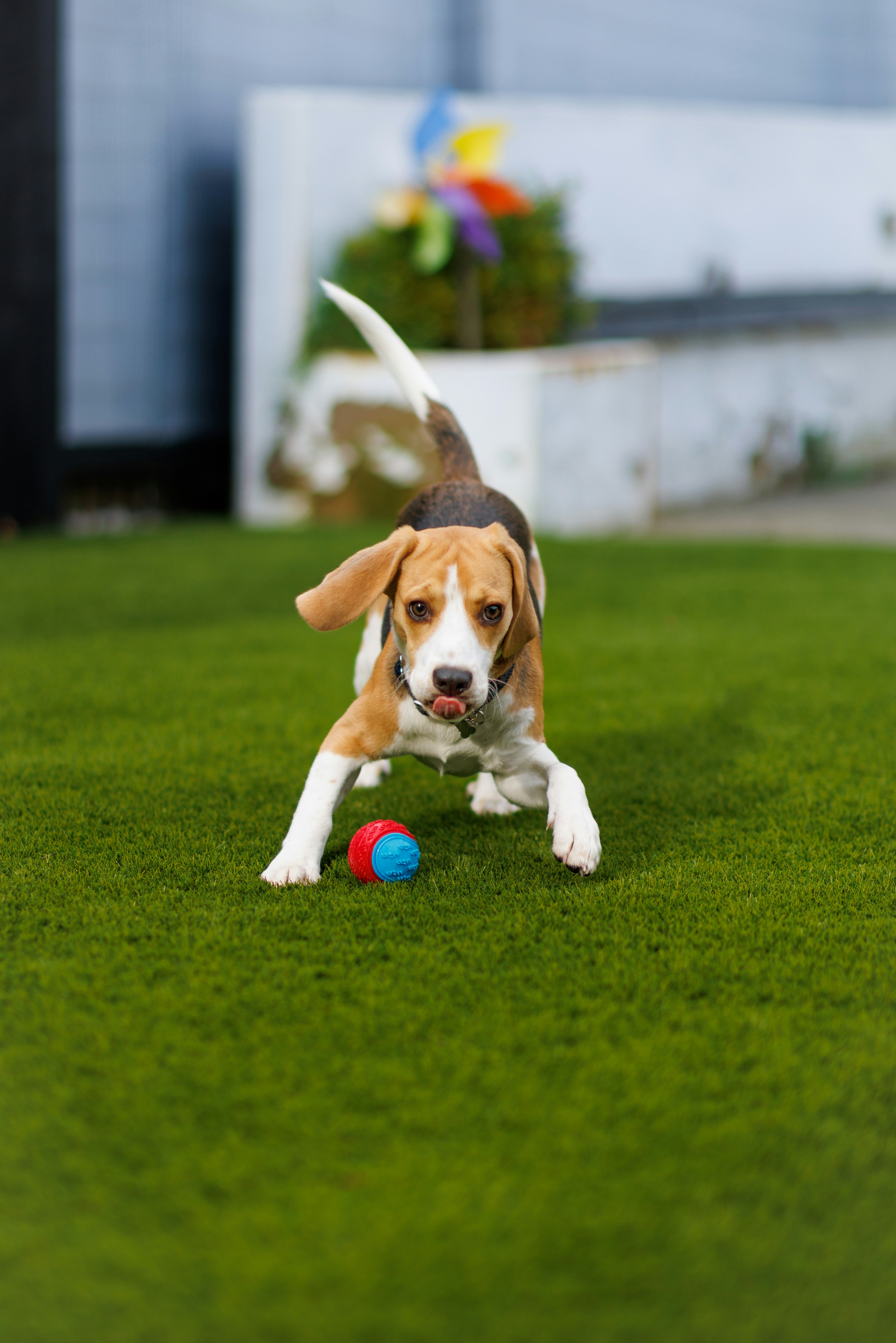
Quick answer: Puzzle toys give a young puppy a safe, structured outlet for two things they're doing constantly during their first year — chewing and problem-solving. Used well, they ease teething discomfort, burn mental energy that would otherwise go into destructive habits, and give a puppy practice at the kind of calm, focused engagement that carries into adulthood.
Key takeaways
✓Puppies hit peak teething between weeks 12 and 16, and safe chew toys are the standard veterinary recommendation for that window.
✓Mental stimulation matters as much as physical exercise — a 15-minute puzzle session can tire a puppy out the way a much longer walk would.
✓Start with an easy puzzle and raise the difficulty gradually so your puppy doesn't get frustrated and give up.
✓Freezing a stuffed puzzle toy extends chew time and soothes sore gums during the peak teething stretch.
✓Skip toys with small removable parts on a teething puppy — they're a real choking hazard.
✓Rotate two or three toys instead of leaving everything out at once — novelty is most of what keeps a puzzle toy interesting.
If you've brought a puppy home in the last few weeks, you already know the drill: short bursts of chaos followed by naps that seem to end the second you sit down. What looks like random energy is often a puppy with nowhere to put their brain. Puzzle toys — the treat-hiding, chew-resistant kind, not the cheap squeaky ones — give that energy somewhere useful to go.
Why Puppies Need More Than a Walk
It's easy to assume a tired puppy is a well-behaved puppy, and physical exercise matters — but a puppy that's only ever walked or played fetch is still missing something. Working out a puzzle toy, sniffing out hidden treats, or figuring out how a toy dispenses food uses a different kind of energy than running around the yard, and it tends to produce a deeper, calmer kind of tired.
This isn't just a nice-to-have. The American Kennel Club points to a statistic from the American Veterinary Society of Animal Behavior that's worth sitting with: behavioral issues, not infectious disease, are the leading cause of death in dogs under three years old. Puppies who are under-stimulated and under-socialized are more likely to develop the anxiety, destructiveness, or reactivity that leads owners to give them up or, in the worst cases, euthanize them. Enrichment — puzzle toys included — is one of the most practical, daily tools an owner has to build a confident, well-adjusted adult dog.
The first three months of a puppy's life are considered the critical socialization window, and it's also exactly when most puppies come home to a new family. Puzzle toys aren't a replacement for socialization outings, but they're a low-stakes way to give a young puppy repeated, positive "I figured this out" experiences during that same window — which builds the kind of resilience and confidence that shows up later.
 Most puzzle-toy training happens right where your puppy already spends their downtime.
The Teething Connection
Puzzle toys and teething solve two problems with one object, which is a big part of why they're worth the investment in a puppy's first year. Here's the actual timeline, per the AKC's puppy teething timeline:
🦷
Weeks 2–6: Baby teeth come in
All 28 baby teeth are usually in by around 6 weeks, while puppies are still with their breeder.
⚠️
Weeks 12–16: Peak teething
Baby teeth shed and permanent teeth push through — this is the heaviest, most uncomfortable chewing phase, and the window where safe chew toys matter most.
✅
6 months and older: Adult teeth are in
All 42 adult teeth should be through. Any baby tooth still hanging on at this point is worth a vet check.
A puzzle toy stuffed with something soft — plain pumpkin, a little wet food, a few freeze-dried treats — gives sore gums something appropriate to work on instead of a table leg. It's also just a smarter chew than a stick or a shoe, because it's built to hold up to a teething puppy's bite instead of splintering or tearing.
💡 Freeze it for longer relief
Stuff a puzzle toy and pop it in the freezer for a few hours before giving it to your puppy. The cold numbs sore gums the way a cold washcloth would, and it also stretches out how long the toy holds their attention.
Introducing a Puzzle Toy the Right Way
A puppy that's never seen a puzzle toy before can get frustrated fast if it's too hard right out of the gate — and a frustrated puppy just walks away, which teaches them the toy isn't worth the effort. Build up gradually instead.
1
Start stupidly easy
For the first try, make the treats almost fall out on their own. The goal is a fast win, not a challenge.
2
Keep the first sessions short
Five to ten minutes is plenty for a young puppy. End the session while they're still interested, not after they've lost patience.
3
Supervise every session at first
Watch how your puppy chews and whether they try to swallow pieces before leaving them alone with any puzzle toy unsupervised.
4
Raise the difficulty slowly
Once your puppy solves the easy version confidently, pack the toy a little tighter or freeze it to add a bit more challenge.
Choosing the Right Toy for Your Puppy
Not every puzzle toy fits every puppy. A soft-mouthed lap dog and a determined retriever puppy need different levels of durability, and a very young puppy needs a smaller size than a five-month-old headed for 60 pounds. Here's how we'd match a few real options to different needs.

Best for beginners
West Paw Toppl
From $20.95 · 3,909 in stock
The classic starter puzzle: a cup-shaped toy you stuff with treats or a soft filling. Easy to load loose for a first-timer, or pack tight and freeze once your puppy gets the hang of it. Comes in a small size that suits most puppies.
Shop West Paw Toppl — $20.95 →

Rolling / scatter-feed style
West Paw Rumbl
From $19.95 · 712 in stock
A treat-dispensing toy your puppy has to nudge and roll to release food, which is a good next step once a stuffed puzzle is too easy. It adds light physical movement to the mental work without needing a big open space.
Shop West Paw Rumbl — $19.95 →

Determined chewers
West Paw Tux
From $19.95 · 935 in stock
Built for a puppy that chews with real intent rather than gently mouthing. Stuff it the same way as a Toppl, but expect it to hold up to a stronger, more persistent bite as your puppy grows into it.
Shop West Paw Tux — $19.95 →

Freezes well · low mess
West Paw Waves Feast Mat
$27.95 · 109 in stock
A textured lick mat and slow feeder in one — spread something soft across it, freeze, and it becomes a longer-lasting, gentler option for very young puppies or for calming a puppy down before crate time or a car ride.
Shop West Paw Waves Feast Mat — $27.95 →
See the full lineup — sizes, colors, and a few more styles — in the Whisker House Toys collection.
Mistakes to Avoid
⚠ Watch for small, removable parts
According to
PetMD's guidance on enrichment toys, teething puppies should stick to toys without small parts that could be chewed off and swallowed. Anything with buttons, squeakers that can be exposed, or thin plastic pieces is a real choking risk during the heaviest chewing months.
MythPuzzle toys are only for "smart" or working-breed puppies.
FactEvery puppy benefits from problem-solving, regardless of breed. Adjust the difficulty to your puppy, not the other way around.
MythLeaving every toy out all the time keeps a puppy entertained.
FactNovelty is a big part of what makes a puzzle toy interesting. Rotating two or three toys in and out keeps them engaging longer than a pile of everything at once.
MythA puppy that gets frustrated will just "figure it out" on their own.
FactA puppy that fails repeatedly tends to give up on the toy entirely. Starting easy and supervising the first sessions matters more than letting them struggle it out.
Frequently Asked Questions
At what age can I start giving my puppy a puzzle toy?
Most puppies can start with a very easy, appropriately sized puzzle toy as soon as they're eating solid food and settled into their new home, generally around 8 weeks. Keep the first versions extremely simple and always supervise.
How long should a puzzle toy session last?
Five to fifteen minutes is a good range for a young puppy. It's better to end on a win while they're still interested than to let a session drag until they lose focus or get frustrated.
Can I leave my puppy alone with a puzzle toy?
Not until you've watched them use that specific toy several times and know how they chew. Once you're confident they won't chew off and swallow any pieces, short unsupervised stretches are generally fine — but always supervise anything frozen or newly introduced.
What can I stuff a puzzle toy with?
Plain canned pumpkin, a little of your puppy's regular wet food, or a few freeze-dried training treats all work well. Avoid anything high in fat or sugar, and check with your vet before adding anything new to your puppy's diet.
My puppy loses interest in their puzzle toy fast. What should I do?
Try increasing the difficulty slightly, freezing the toy for a longer-lasting challenge, or rotating in a different toy for a few days before bringing the original back. Interest usually returns once the toy feels "new" again.
If You Only Do Three Things
1
Start easy, then build up. A frustrated puppy walks away from a puzzle toy for good — an early win keeps them coming back.
2
Match the toy to the teething window. Between weeks 12 and 16 especially, a frozen, stuffed puzzle toy is one of the most useful things in the house.
3
Rotate, don't pile. Two or three toys swapped in and out beat a toy box your puppy has already stopped noticing.
Give your puppy something better to chew on
Browse the full range of puzzle and enrichment toys at Whisker House, including the West Paw picks above. New customers get 7% off automatically at checkout — no code needed.
Shop Puppy Puzzle Toys →
WH
Whisker House
Whisker House is an online pet supplies store carrying dog and cat toys, treats, dental chews, feeding mats, and raw-diet food from brands like West Paw and Bestia Dog Sport. We write about the real products we carry, not invented specs.
