
Is a Raw Diet Right for Your Dog? Benefits, Risks & How to Start Safely
Is a Raw Diet Right for Your Dog? Benefits, Risks & How to Start Safely
Raw feeding gets pitched online as the obvious, ancestral upgrade for dogs. The research on it is narrower and more specific than that — and includes at least one risk that has nothing to do with bacteria. Here's what's actually documented.
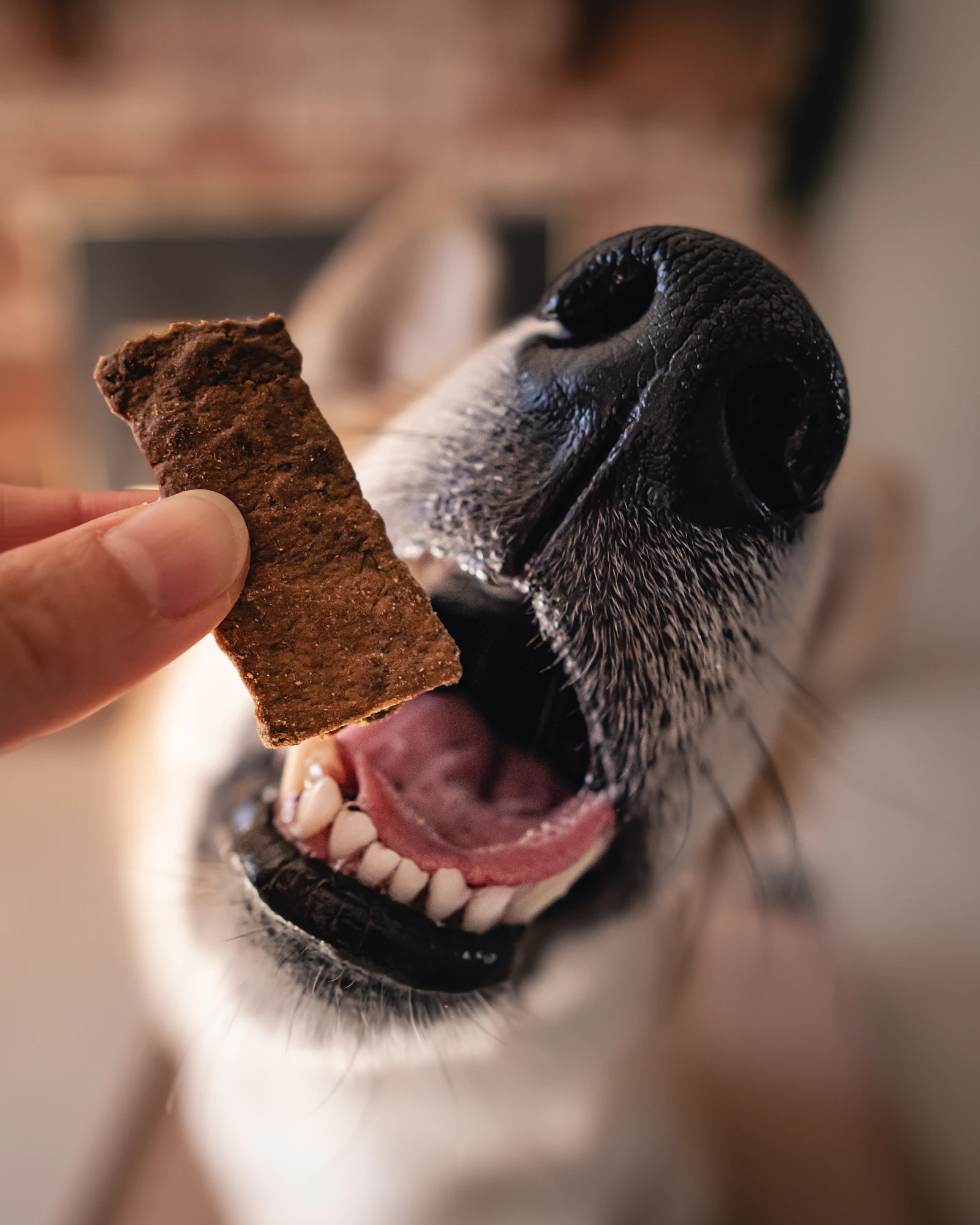
Quick answer: A raw diet isn't automatically dangerous for a healthy adult dog, but it isn't automatically safer or more natural either. Cornell's Riney Canine Health Center puts the odds of a foodborne pathogen in a frozen raw diet bought online at roughly 1-in-3, and whole bones — a staple of many raw feeding plans — carry a separate, well-documented injury risk that has nothing to do with bacteria at all. If you want to try raw feeding, the safer path is a commercially made, AAFCO-complete product, strict food-handling hygiene, skipping whole bones, and avoiding raw entirely in households with young children, older adults, or anyone pregnant or immunocompromised.
Type "raw diet for dogs" into a search bar and you'll land on two competing stories. One says raw is how dogs were built to eat and everything processed is a compromise. The other says raw meat is a real, documented food-safety hazard that responsible owners avoid. Both stories are selective. This guide keeps the inconvenient parts of both in — what "raw" actually covers as a category, what the honestly-stated benefits and documented risks are, what makes bones a separate conversation entirely, and what a lower-risk version of raw or raw-style feeding looks like if you decide to go that way.
What "raw" actually means for dogs
"Raw" isn't a single product — it's a handling method, and it shows up in a few genuinely different formats that get talked about as if they were interchangeable.
Fresh or frozen raw
Uncooked meat, organ, and often bone, sold frozen and thawed at home, or made from a home recipe. This is the format most food-safety research is actually written about, because it's raw meat with nothing done to it in between the animal and the bowl.
Freeze-dried raw
Raw ingredients that are frozen, then have their moisture pulled out under vacuum. Freeze-drying makes a product shelf-stable and far easier to store and portion than a frozen block — but it isn't a cooking or pasteurization step. The food is still raw in the sense that matters for bacteria, which is worth knowing before assuming a freeze-dried bag is the "safe" version of raw.
Dehydrated
A similar idea using low heat instead of vacuum-freezing to pull moisture out. Some dehydration runs hot enough, for long enough, to meaningfully reduce bacterial load; others don't get close. That distinction isn't something you can read off a bag, and it varies by manufacturer and process.
What connects all three: none of them cook the meat to a temperature that reliably kills pathogens the way a stovetop or an extrusion line does. That trade-off is the whole point of raw feeding — keeping the ingredient closer to its original state — and it's also where the risk conversation below starts.
What raw feeding advocates cite as benefits
It's worth saying plainly: dogs digest animal protein well, and a diet built around named meat sources rather than heavy fillers generally suits them. That part isn't controversial. Where raw feeding specifically comes in, advocates and some proponents point to a consistent, honestly-describable set of observations.
What raw feeding does not have behind it is strong, independent evidence that it outperforms a well-formulated cooked or dry diet on long-term health outcomes. Tufts University veterinary nutritionist Dr. Lisa Freeman has pointed out that many of the benefits attributed to raw feeding, like a shinier coat, are actually the result of the diet's high fat content rather than anything specific to it being uncooked. The observations above are real and worth weighing. They're just not the same thing as a proven health advantage, and any source stating one as settled fact is overstating what's been shown.
The risks: what Cornell, FDA and AVMA found
This is the part of the raw-feeding conversation that gets softened the most online, so it's worth stating with the actual figures behind it rather than a vague warning.
Cornell's Riney Canine Health Center, drawing on FDA testing, puts the odds of encountering a foodborne pathogen — Salmonella, Listeria, or toxigenic E. coli — in a frozen raw diet purchased online at roughly 1-in-3. Separately, a University of Pennsylvania study Cornell cites found antibiotic-resistant bacteria (ESBL-producing strains) in 10% of the canine raw food products it tested — a resistance risk that matters beyond a single bout of food poisoning, since it can leave resistant genes in a dog's gut microbiome. A pig-ear treat outbreak tied to raw and minimally processed treats sickened at least 154 people, with most of the strains involved showing multidrug resistance.
The FDA's own two-year testing program looked at more than 1,000 pet food samples, including 196 raw products: 15 tested positive for Salmonella and 32 for Listeria monocytogenes, a contamination rate well above what turned up in dry, semi-moist, or jerky treat samples in the same study. A 2017 epidemiologic study cited by Cornell found that close to half of dogs shedding Salmonella from a raw diet appeared completely healthy — meaning a dog doesn't have to look sick to be spreading bacteria into its bowl, its yard, or your kitchen.
The American Veterinary Medical Association's policy states this plainly: apparently healthy dogs and cats can develop subclinical infections from raw or undercooked animal protein and can pass pathogens to the people around them — a risk the policy specifically calls out as elevated for "young, elderly, pregnant, and immunocompromised individuals." None of this means every raw meal makes a dog sick. It means the risk is real, measured, and higher than other formats — a very different thing from the "no real difference" framing that raw-feeding marketing sometimes implies.
Bones: the risk that's specific to dogs
This is the one risk in this guide that has nothing to do with bacteria, and it's specific enough to dogs that it doesn't come up the same way in raw-feeding advice for cats. Many raw diets include, or are built around, "raw meaty bones" — and bones carry a documented physical injury risk independent of whether they're raw or cooked.
According to VCA Animal Hospitals, bones are hard enough and brittle enough that dogs can break a large chewing tooth on them. Shards can pierce the tongue, cheek, or soft palate, or lodge in the esophagus or windpipe. Sharp fragments can fully penetrate the stomach or intestinal wall, letting contents leak into the abdomen and causing a life-threatening infection called peritonitis, or cause a complete intestinal blockage that requires emergency surgery to remove. None of that requires the bone to be contaminated — it's a mechanical risk that sits on top of, not instead of, the bacterial one, since VCA also notes raw bones can separately carry E. coli, Salmonella, and Listeria.
Nutritional completeness for dogs
Separate from bacteria and separate from bones, there's a third risk that's specific to homemade raw recipes: getting the nutrition wrong.
A 2001 study cited alongside WebMD's reporting on raw diets examined five raw diets and found nutritional deficiencies or excesses in all five — the kind that can cause real problems if fed long term. The calcium-to-phosphorus ratio is the detail that trips up the most home recipes, and it matters most for puppies: get it wrong during a growth phase and the result can be bone deformities and skeletal growth problems, not just a subtly unbalanced adult diet. The same reporting notes that too little fat in a homemade recipe tends to show up as a poor coat, while too much fat combined with too little protein can contribute to mild anemia — and that liver, a common raw-diet ingredient, can supply more vitamin A than a dog needs if it's fed heavily over time.
This is why the phrase worth looking for on packaging is "complete and balanced," formulated to AAFCO nutrient profiles — not the word "raw" by itself. A raw product carrying an AAFCO nutritional adequacy statement has already been formulated to cover the calcium:phosphorus ratio and the rest of a dog's required nutrient profile, including for the specific life stage on the label. A homemade recipe, even a carefully researched one, usually hasn't been tested the same way unless it was built with a board-certified veterinary nutritionist.
Safer ways to start, if you decide to
None of the above rules raw feeding out — it means the lower-risk version of it looks more specific than "buy raw meat and go." Here's what actually reduces the risk, in order.
Real options to consider
Four honest starting points, from a fully formulated complete meal to a single-ingredient way to test the waters without switching your dog's whole diet.


Myths vs. facts
Frequently asked questions
If you only take three things from this
Browse Whisker House's dog food selection — raw, freeze-dried, and grain-free formulas alike — and take 7% off automatically as a new customer, no code needed.
Shop Dog Food at Whisker House →