Pet Safety · Summer 2026
Is Your Cat or Dog Too Hot This Summer?
7 signs of overheating and how to fix it fast — before it becomes a crisis.
📅 Updated: July 8, 2026 ⚠ Urgent summer read 8 min read
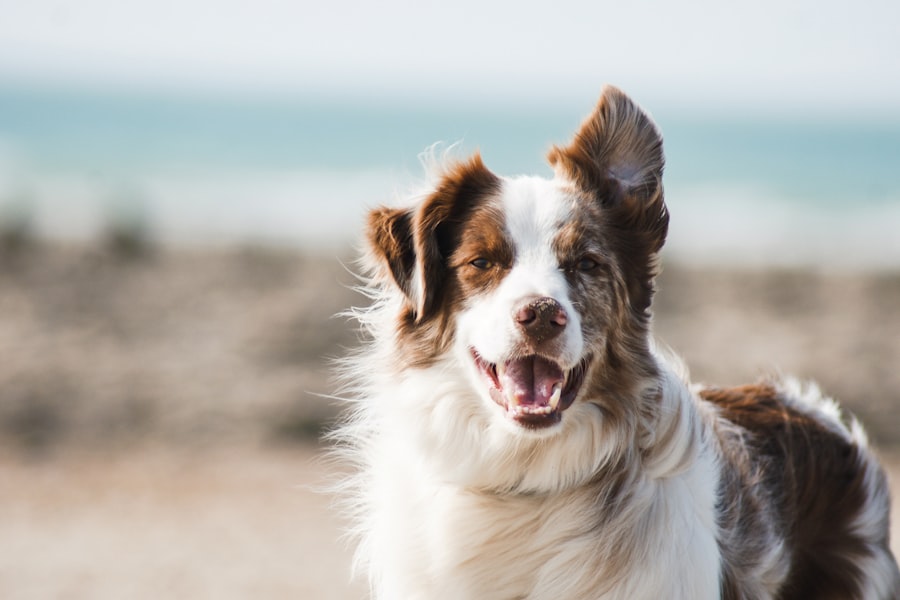
Quick answer: Pets cannot sweat like humans do. Dogs cool down through panting and their paw pads. Cats primarily cool through grooming and seeking shade. When these mechanisms fail in summer heat, body temperature rises dangerously fast — sometimes within minutes. The 7 warning signs below are specific, the fixes are simple, and acting fast can save your pet's life.
Key takeaways
✓Pets overheat faster than humans — especially flat-faced breeds like Pugs, Persians, and Bulldogs
✓Hot asphalt above 77°F (25°C) can burn paw pads in under 60 seconds
✓Cats often ignore still water even when dehydrated — a circulating fountain changes this
✓Most overheating cases are preventable with simple daily adjustments
✓Products that directly protect your pet this summer — from $6.99
Why pets overheat faster than you think
Humans cool down by sweating across the entire surface of our skin. Your dog and cat do not have this ability. Understanding how they actually regulate temperature explains why summer can be so dangerous for them.
How dogs cool down
Dogs dissipate heat primarily through panting — rapid, shallow breathing that evaporates moisture from the tongue, mouth, and upper respiratory tract. They also release a small amount of heat through their paw pads. Both mechanisms become less effective as humidity rises and ambient temperature approaches body temperature.
How cats cool down
Cats cool down through grooming — spreading saliva across their fur, which evaporates and creates a cooling effect. They also seek shade instinctively and reduce activity. Their greater risk is indoor overheating in rooms without airflow, particularly during power outages or when windows are closed on hot days.
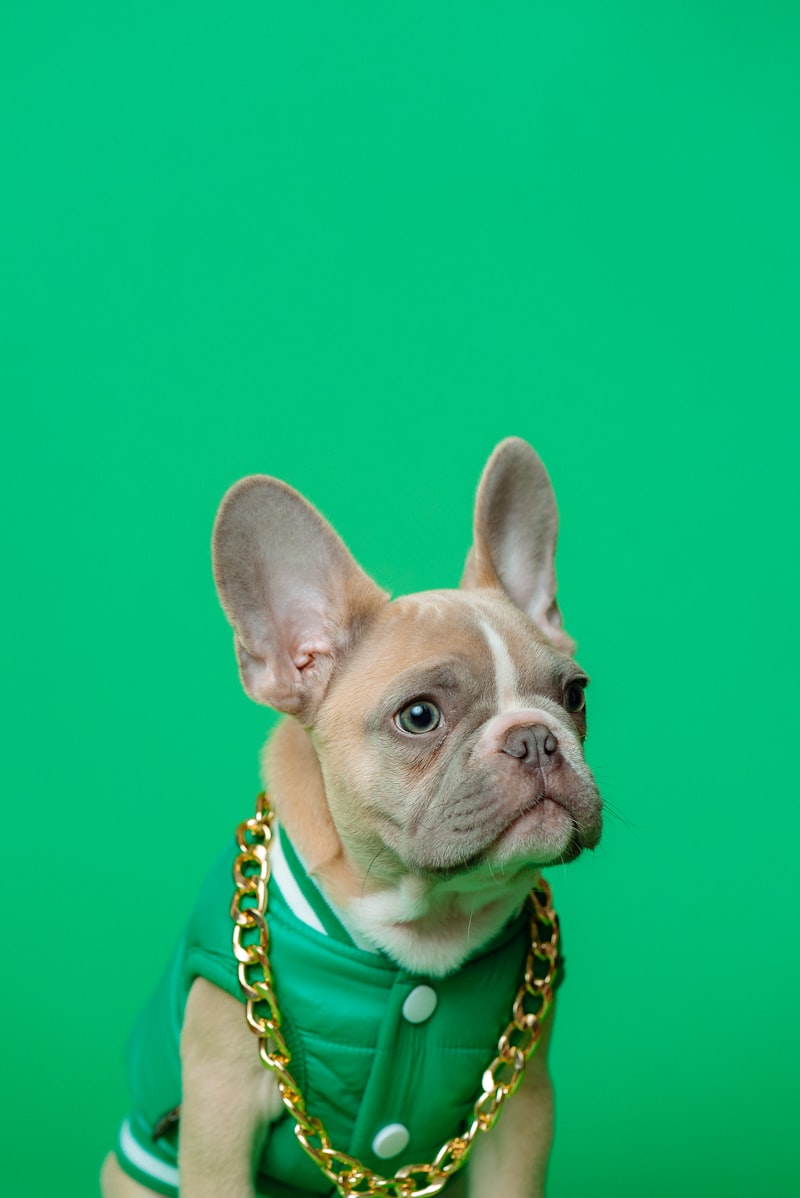
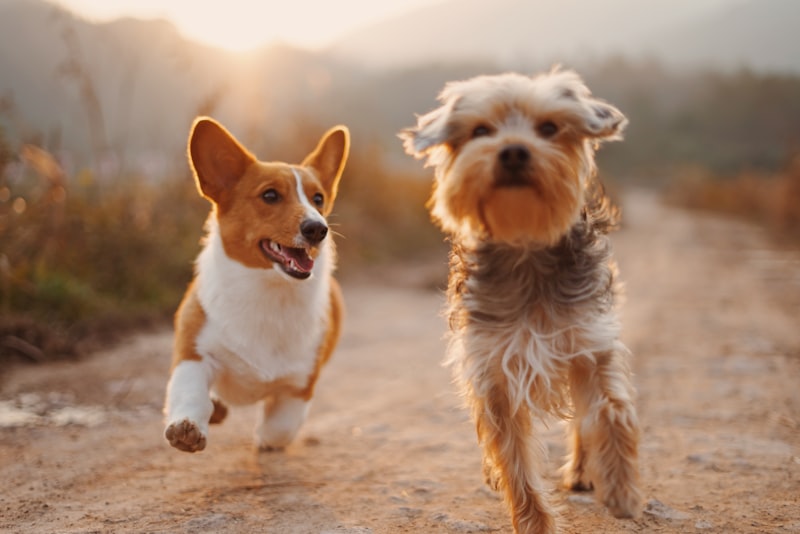 Flat-faced breeds like Bulldogs and Pugs are at the highest risk of overheating in summer.
Which breeds are at highest risk
Brachycephalic (flat-faced) breeds face significantly higher risk because their compressed airways make panting less efficient. This includes Pugs, French Bulldogs, English Bulldogs, Persian cats, Scottish Folds, and British Shorthairs. Treat any ambient temperature above 75°F (24°C) as a risk situation for these breeds. Overweight pets, senior pets, and pets with heart or lung conditions are also at elevated risk regardless of breed.
7 signs your pet is overheating right now
These signs appear in roughly this order as heat distress escalates. Signs 1–3 mean act now. Signs 4–7 mean call your vet immediately.
1
Excessive or labored panting Watch
All dogs pant. The concern is panting that is unusually heavy, rapid, or labored — where the dog is working hard to breathe rather than breathing easily. For cats, any open-mouth breathing is abnormal and should be treated as urgent.
2
Excessive drooling Watch
More saliva than usual, particularly thick or stringy drool, is a sign the body is working overtime to cool down. In cats, drooling is rare and almost always a sign of distress.
3
Bright red or pale gums Act now
Healthy gums are bubble-gum pink. Bright red gums indicate the cardiovascular system is under significant stress from heat. Pale or white gums indicate possible circulatory compromise. Check by gently lifting the lip — this takes two seconds.
4
Glassy, sunken, or unfocused eyes Call vet
A pet that looks dazed, cannot focus on you, or has a glassy expression is showing neurological signs of heat distress. This is a serious warning that requires immediate action.
⚠ Call your vet immediately
5
Vomiting or diarrhea Call vet
The gastrointestinal system is one of the first organ systems affected by heatstroke. Vomiting or diarrhea alongside other heat symptoms indicates the situation has moved beyond mild overheating.
⚠ Call your vet immediately
6
Stumbling, weakness, or collapse Emergency
Muscle weakness and loss of coordination indicate the nervous and muscular systems are being affected. A pet that stumbles, cannot stand, or collapses needs veterinary care immediately.
⚠ Emergency — call your vet now
7
Seizures or loss of consciousness Emergency
This is a life-threatening emergency. Call your vet or emergency animal clinic immediately while beginning first aid cooling measures. Do not wait to see if it passes.
⚠ Emergency — call your vet now
The 5-step cool-down
For signs 1–3, begin immediately. For signs 4–7, begin these steps and call your vet at the same time — do not delay.
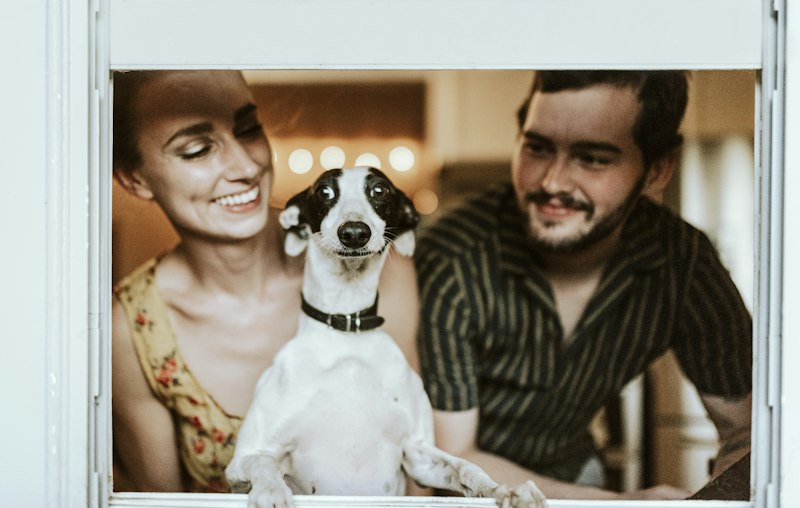 Always offer small, frequent sips of cool water — never let an overheated pet drink a large amount at once.
1
Move to a cool environment
Get your pet out of direct sun and into shade or air conditioning immediately. Never leave in a car — interiors reach dangerous temperatures in minutes even with windows cracked.
2
Apply cool water to paw pads and neck
Wet your pet's paw pads, neck, and armpits with cool water. Do not use ice or very cold water — rapid temperature change causes blood vessels to constrict, which traps heat inside the body.
3
Offer small, frequent sips of water
Do not let an overheated pet drink a large amount at once — this can cause vomiting and bloat. Offer small amounts frequently. If they are refusing water, do not force it.
4
Fan the wet areas
Fanning accelerates evaporative cooling from the wet fur and skin. A portable fan or even a piece of cardboard makes a meaningful difference while you move your pet to a cooler space.
5
Contact your vet if no improvement in 10 minutes
Mild signs should improve noticeably within 10 minutes. If they do not, or if you see signs 3 through 7, call your vet. Heatstroke causes internal organ damage not always visible externally.
The hydration mistake most owners make in summer
Most cat owners put a bowl of water down and assume their cat will drink when thirsty. This assumption is not accurate for cats. Cats evolved as desert animals who obtained most of their hydration from prey — fresh meat contains 60–70% water. Their thirst drive is significantly weaker than that of dogs or humans.
More relevant for summer: cats are instinctively suspicious of still, standing water, which in nature signaled contamination. Moving, circulating water triggers their natural drinking instinct in a way a bowl does not. Many cats drink far less than they need in summer, and their owners have no idea because the bowl is always full.
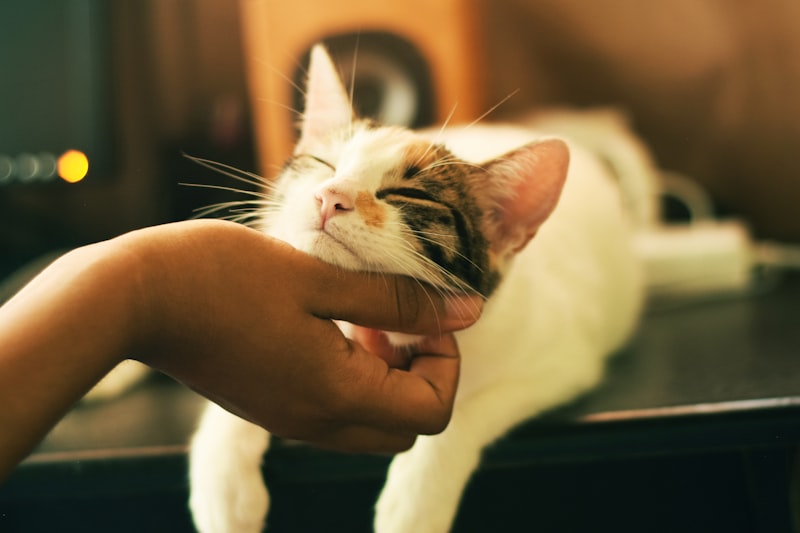 Cats instinctively prefer moving water — a circulating fountain dramatically increases their daily water intake.
For dogs, the most common summer hydration mistake is not bringing water on walks. The 2-in-1 Portable Folding Pet Bowl collapses flat, weighs almost nothing, and gives your dog a clean water source on every walk — from $10.99. There is no reason to go on a summer walk without one.
The pavement test every dog owner should do
On a day when the air temperature is 86°F (30°C), pavement surface temperature can reach 135°F (57°C) — hot enough to cause burns in under 60 seconds of contact. Your dog walks on that surface for the entire walk.
⚠ The 7-second test
Place the back of your hand flat on the pavement. Hold it there for 7 seconds. If you cannot keep your hand on the pavement for 7 seconds, it is too hot for your dog to walk on.
 Hot asphalt can reach 135°F on a warm day — always do the 7-second hand test before your walk.
If the pavement fails the test: walk in the early morning before it heats up, walk in the evening after it cools (test again — it retains heat long after sunset), or protect your dog's paws with waterproof dog boots. For dogs who refuse boots, the Dog Paw Balm ($6.99) and Pet Paw Care Cream ($7.99) provide a protective barrier that reduces burn risk.
Product spotlight — what actually helps
Chosen because they solve the real problems identified in this guide — not because they are the most expensive items in the store.
🐾
Dog Paw Balm – Lick-Safe Soother
from $6.99
Protective barrier on paw pads that reduces heat transfer from hot surfaces. Soothes dry, cracked, or heat-exposed pads. Safe if licked — no toxic ingredients.
Shop now →
🧴
Portable Paw Cleaner Cup
from $8.99
Fill with cool water, dip, twist — paws clean and cooled in seconds. Cool water on pads directly assists the body's natural cooling mechanism after a hot walk.
Shop now →
🥣
2-in-1 Portable Folding Pet Bowl
$10.99
Collapsible silicone, packs completely flat. Holds food and water separately. Lightweight enough to clip to any bag. No summer walk should happen without one.
Shop now →
🥾
Waterproof Anti-Slip Dog Boots
from $47.99
100% waterproof with rugged anti-slip sole and reflective straps for evening walks. The most complete physical barrier between paws and hot pavement.
Shop now →
Myths vs. facts about pet heat safety
MythMy pet will drink when they are thirsty.
FactCats have a weak thirst drive and often ignore still water even when mildly dehydrated. A circulating fountain dramatically increases water intake for most cats.
MythShort-haired pets don't overheat as easily as long-haired ones.
FactCoat length matters less than breed type. A short-haired Bulldog is at far higher risk than a long-haired Border Collie in the same conditions.
MythIce water cools an overheated pet down faster.
FactIce or very cold water causes blood vessels to constrict, which can trap heat around internal organs. Cool water — not cold — is the correct first aid choice.
MythIndoor cats don't need to worry about summer heat.
FactRooms without airflow on hot days, especially upper floors with south-facing windows, can reach dangerous temperatures. Always ensure one cool room is accessible.
MythIf my dog is panting, they are just hot — not in danger.
FactNormal panting regulates temperature. Heavy, labored panting or panting combined with other symptoms listed above signals genuine heat distress.
Frequently asked questions
At what temperature is it too hot to walk my dog?
Above 77°F (25°C), apply the pavement test before walking. Above 89°F (32°C), keep walks to early morning or late evening only and shorten them. For flat-faced breeds, treat 70°F (21°C) as the upper comfort limit on high-humidity days.
Can cats get heatstroke indoors?
Yes. Cats in rooms without airflow on hot days, particularly apartments on upper floors with south-facing windows, are at real risk. Always ensure one cool, ventilated room is accessible. A fan pointed at a tile floor gives cats a cool surface to lie on.
How much water should my dog drink in summer?
Approximately 1 ounce of water per pound of body weight per day — more during heat or after exercise. A 30-pound dog needs roughly 30 ounces (about 900ml) per day in normal conditions. Dark urine indicates dehydration.
What is the fastest way to cool down an overheated dog?
Move to shade or air conditioning, apply cool (not cold) water to paw pads, armpits, and neck, fan the wet areas, and offer small sips of water. Do not use ice. Contact your vet if symptoms do not improve within 10 minutes.
Should I shave my pet in summer to keep them cool?
For most double-coated breeds — Huskies, Golden Retrievers, German Shepherds — shaving is counterproductive. The undercoat insulates against both cold and heat. Single-coated breeds can be trimmed. Check with your vet or groomer before shaving any pet.
My cat's paws feel hot. Is that normal?
Cats' paw pads are one of the few places they release heat — warm pads after activity in warm weather are normal. Hot pads combined with lethargy, drooling, or open-mouth breathing suggest overheating and need immediate attention.
Final recommendations
Summer heat is manageable with the right habits and the right tools. Here is what to put in place this week:
1
Do the pavement test before every walk. Seven seconds, back of the hand. If it is too hot for you, it is too hot for your dog's paws.
2
Always carry water on walks longer than 15 minutes. A collapsible travel bowl takes up no space and could prevent serious dehydration.
3
Apply paw balm before hot-weather walks. Creates a protective barrier that reduces heat transfer and soothes pads exposed to summer pavement.
4
Know your pet's baseline. What does their normal panting look like? How much do they usually drink? Recognizing abnormal starts with knowing normal.
5
Keep one cool room accessible for your cat. Especially during heat waves. A tiled bathroom with the door propped open is enough.
6
Memorize the 7 signs. Especially signs 4 through 7. These require immediate action — not a wait-and-see approach.
Protect your pet this summer
Everything in this guide — paw balm, travel bowls, boots, and more — ships across the United States. Backed by 740+ verified customer reviews.
Shop summer essentials at Whisker House →
WH
Whisker House
A curated pet supply store founded by pet owners who couldn't find accessories, grooming tools, and treats they actually trusted in one place. Every product is chosen because it solves a real problem for real pets — not because it looks good on a shelf. Backed by 740+ verified customer reviews, shipping across the United States.
